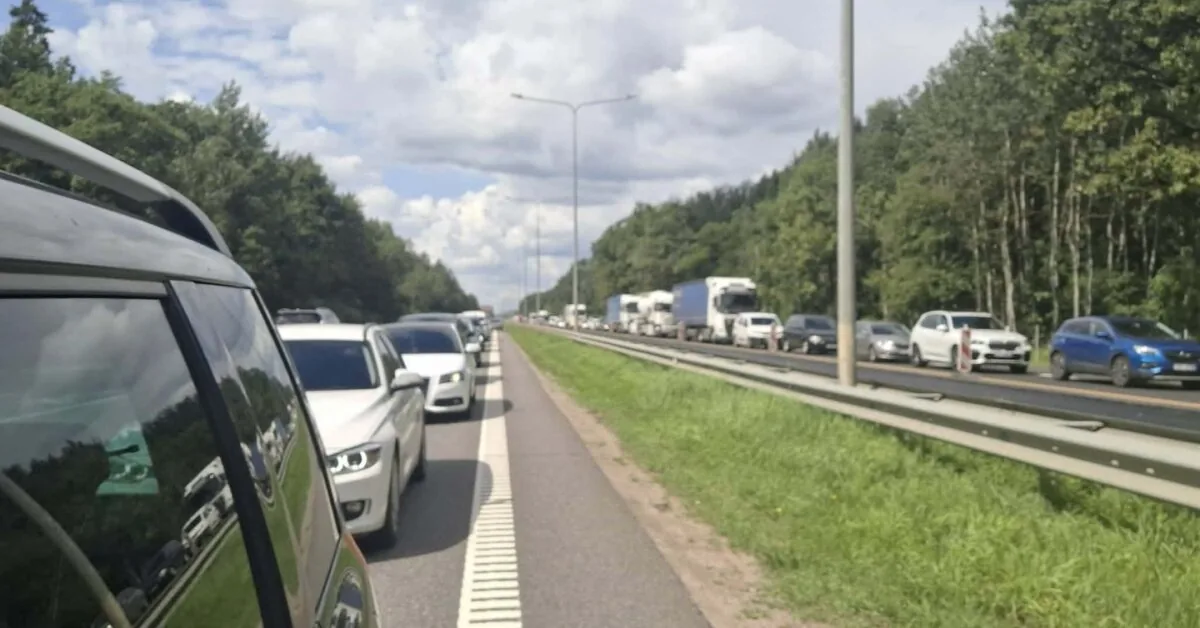
Instead of a fixed fee for time, the principle of “pay for distance traveled” will come into effect. Transit through the Netherlands and domestic logistics will become more expensive, especially for carriers working intensively in the country.
Read more The creator of the World Wide Web urges AI to preserve «core values»
The head of the leading road services and payment platform in Europe, “DKV Mobility,” in the Baltic States, Artūras Michejenko, predicts that carriers will have to come to terms with the new obligation, as there are no alternatives.

“Transport flows will not change significantly. Neighboring countries have long been taxed: Germany is more expensive, Belgium costs about the same. So there will be no point in detouring elsewhere. The country is not geographically large, you won’t rack up many kilometers there, but the fee will increase. Everything will depend on the routes,” he says.
By the way, changes will also take effect in part of Belgium from July 1, 2026. In the Dutch-speaking northern part of Belgium, Flanders, distance-based tolling with a CO₂ tariff will be applied. So in this territory, roads will also cost more.
Carriers will have to prepare
The new “Eurovignette” directive adopted in 2022 obliges Old Continent countries to charge roads based on their use, so countries that still applied the vignette system are transitioning to distance-based tolling. Once this fee format comes into effect, only trucks with a contract with an approved toll service provider and functioning onboard equipment for toll calculation will be allowed on the roads.
These providers will supply equipment, issue invoices to users, and transfer the collected fee to the state. Lower emission vehicles will pay a lower tariff, and a large portion of the collected funds will be allocated to subsidies, for example, for the purchase of electric trucks and charging infrastructure. Speaking about how carriers should prepare for the change, A. Michejenko notes that some homework has already been done, but others will still need to prepare the ground.
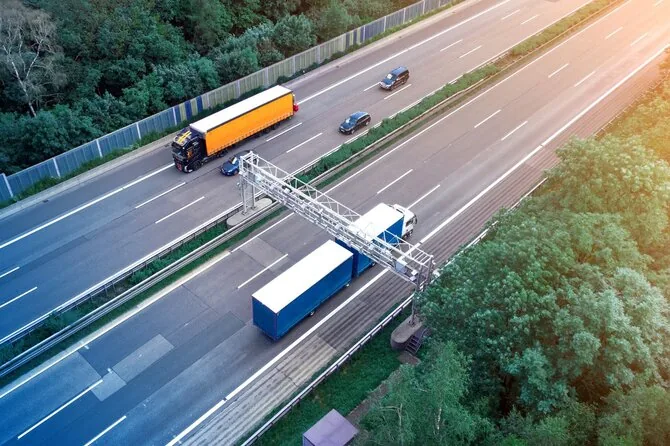
“Regarding the ‘DKV Box Europe’ onboard devices that carriers have, which calculate the distance traveled – these devices are already technologically prepared for the new Netherlands toll, so there will be no need to change the equipment and it will work from the first day the toll is applied. However, it would be advisable to use the ‘DKV Analytics’ tool and calculate how the per-kilometer fee will affect specific routes, clients, or countries,” the interlocutor explains.
By the way, one of the largest associations uniting Dutch businesses, “Cumela,” has already urged carriers to formalize all road toll issues with clients in writing, especially when concluding new contracts or participating in tenders. The organization warns not to expect existing clients to automatically accept higher bills, so in case of contract execution, it is recommended to act in advance – inform clients now, calculate the possible impact, and substantiate future tariff changes with data.
Shows the overall policy direction
The changes show the overall direction of European transport policy – greater transparency, more precise control, and the principle of “pay according to use.” Distance-based tolling reflects the aim to distribute infrastructure costs proportionally to actual road use.
This means that in the future, carriers’ competitiveness will increasingly depend not only on the vehicle fleet or fuel consumption but also on the ability to analyze data, use dedicated tools, plan routes, and quickly adapt to regulatory changes.
So the summer of 2026 will not be a respite period for carriers. The Netherlands road toll will require advance planning, financial calculations, and negotiations with clients. Those who prepare for the changes in advance will gain a competitive advantage.