







The bus and its route are not fictional, but the rest of the story is greatly embellished. The post does not provide evidence that European carriers are using Russian fuel on a large scale, it omits the fuel crisis that originated in Russia itself, and it incorrectly attributes much older customs and excise rules to EU sanctions.
Read more Tomas Grigaitis spoke openly about a painful life trial: «Silence fell in the ward…»
Moreover, it is only possible to leave Kaliningrad by land through Poland or Lithuania, and both countries limit the amount of Russian fuel that can be brought in.
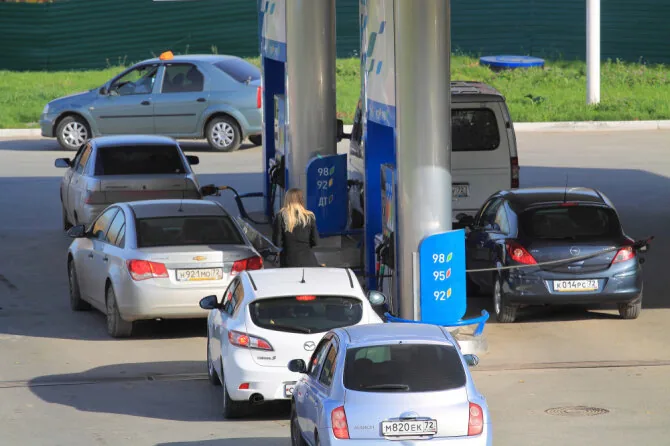
Myth about the “savior” Russia
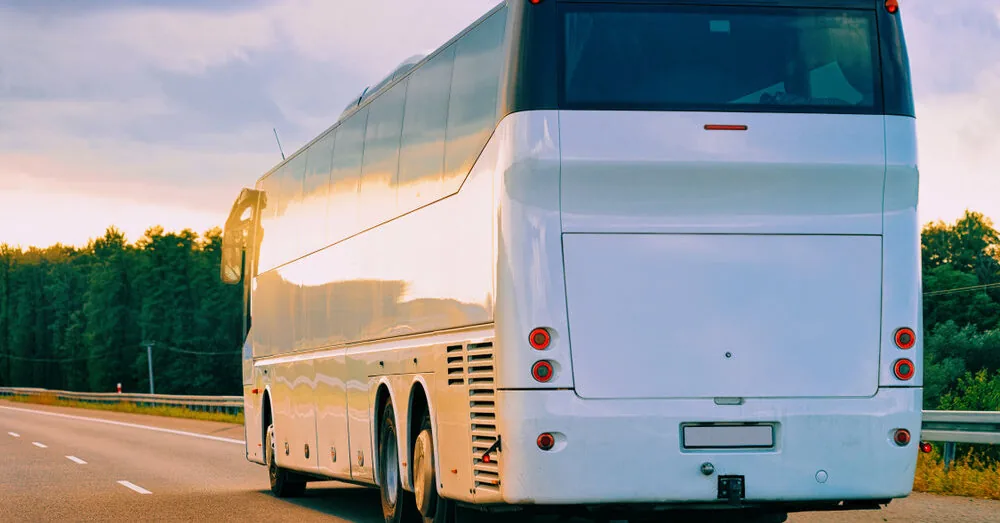
The video circulating on social media tells about the bus route 905 running between Kaliningrad and the German city of Heilbronn. It is claimed that it regularly stops at a gas station in Russia and fills up a full tank with much cheaper diesel.
The author of the post calculates that a liter of diesel costs 2.18 euros in Germany, or about 215 rubles, while in Kaliningrad it is 81 rubles (about 82 cents). Since the bus supposedly holds 750 liters in its tank, filling it once supposedly saves the driver more than 100,000 rubles (about one thousand euros).
It is claimed that even filling only the amount of fuel needed for a one-way trip could save about 55,000 rubles (approximately 560 euros).
The propaganda conclusion drawn from this story is that Europeans use cheap Russian fuel, so EU sanctions allegedly hit the wallets of European residents themselves, and they are “saved” by Russian fuel.
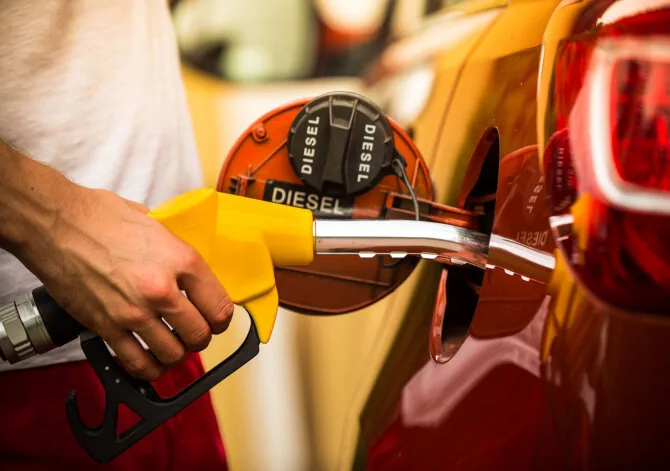
The bus is not fictional, but there is no mass phenomenon
The bus and its route are not fictional. Route 905 is officially served by the company “Baltik-Ekspress Servis” together with its partner in Germany “Benz GmbH Busreisen”. In August 2026, a photo of the bus running on this route was indeed posted on social media, taken at a “Teboil” gas station near Kaliningrad South railway station. This was also reported by several regional media outlets.
However, one photo of the bus at a gas station does not prove that European carriers are massively using cheaper Russian fuel. Publicly available data do not confirm that this is a widespread or systematic practice.
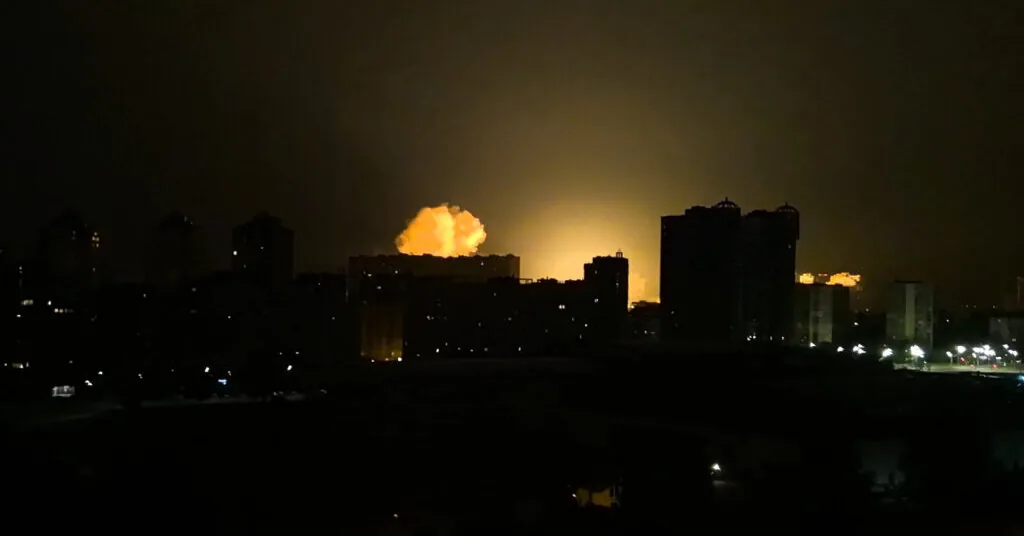
The post also omits that since May 2026, Russia itself has been facing a fuel crisis caused by regular Ukrainian drone strikes on the country’s oil refineries.
On July 8, the Russian authorities banned diesel exports, and on September 15, the news agency Reuters reported that three of the six largest oil refineries in the country significantly reduced or completely stopped diesel production that month due to damage caused by Ukrainian drone attacks.
Thus, the story about allegedly “saving” Europe with Russian fuel does not take into account the declining production of fuel in Russia itself and the export restrictions imposed by the authorities.
With a full tank – not to all countries
The claim that EU sanctions allegedly allow filling a full tank of fuel in Russia is misleading.
This regulation is set not by the Russia sanctions packages, but by much earlier adopted EU customs and excise rules – Directive 2003/96/EC Article 24 and Directive 2009/132/EC Articles 84–85.
According to these, EU countries may limit the amount of fuel imported duty- and tax-free in standard tanks of commercial vehicles from third countries.
A 200-liter limit may apply per vehicle per trip. Germany does not directly apply such restrictions, but other Russian neighbors in the region do, so claims about fuel being distributed in all directions from Russia are not accurate.
From Kaliningrad to Germany, the bus must travel through Poland, so it is primarily subject to the fuel import rules set by that country.
In Poland, import duties and taxes apply to commercial vehicle standard tanks. Additionally, only up to 10 liters can be imported in a portable container.
So even if the bus tank really holds 750 liters, the entire fuel shipment in that tank would not automatically qualify for the tax exemption.
Even stricter restrictions apply to vehicles traveling from Kaliningrad to Lithuania. Since May 2026, it is allowed to enter Lithuania from Russia or Belarus with no more than 200 liters of fuel in the tank.
This restriction also applies to buses, so a vehicle carrying more than 200 liters of Russian fuel in the tank would not be allowed across the Lithuanian border.
Thus, the impression created in the post that carriers can freely fill full tanks in Kaliningrad and distribute cheap fuel across EU countries does not correspond to reality.
15min verdict: lacks context. The bus and its route shown in the video are not fictional, but a single case is unjustifiably presented as a mass phenomenon.
The claim that EU sanctions allow bringing in a full tank of Russian fuel is also inaccurate: this is regulated by older customs and excise rules, and Poland and Lithuania bordering Kaliningrad apply specific limits on the amount of fuel that can be imported.
Moreover, it is omitted that Russia itself is facing fuel production disruptions and has restricted exports. Therefore, the conclusion that Europeans are “saved” from the effects of sanctions by cheap Russian fuel is unfounded.
Publication prepared by 15min in cooperation with Meta, aiming to stop the spread of misleading news on social media. More about the program and its rules – here.