









Of all occupational disease cases identified in 2025, 60.5% were diagnosed in men, 39.5% in women, and 63.1% were identified in persons aged 60 and over.
Read more Palestinians are again accused of acting: was the boy carrying flour really shot?
The greatest burden of occupational diseases falls on older workers – almost two-thirds of all cases are identified in persons aged 60 and over, while only a small portion are in those under 45 years old.
Analyzing the distribution of occupational diseases according to the International Statistical Classification of Diseases and Related Health Problems (ICD-10-AM) disease groups, most occupational diseases (61.1%) were due to connective tissue and musculoskeletal system diseases. Second place is nervous system diseases, such as carpal tunnel syndrome, nerve root and plexus compression, ulnar nerve injury, etc., and third place is hearing impairments.
According to registry data, 64.3% of all occupational disease cases in 2025 were caused by biomechanical (ergonomic) factors, such as work posture requiring constant muscle tension, repetitive work movements, carrying and lifting loads, and other biomechanical factors. The second most frequent group of causes is physical factors (noise, vibration, etc.), accounting for more than one-third of all cases. Meanwhile, cases of occupational diseases related to chemical or biological factors remain rare in Lithuania.
Read more «Revolut» customer data leaked
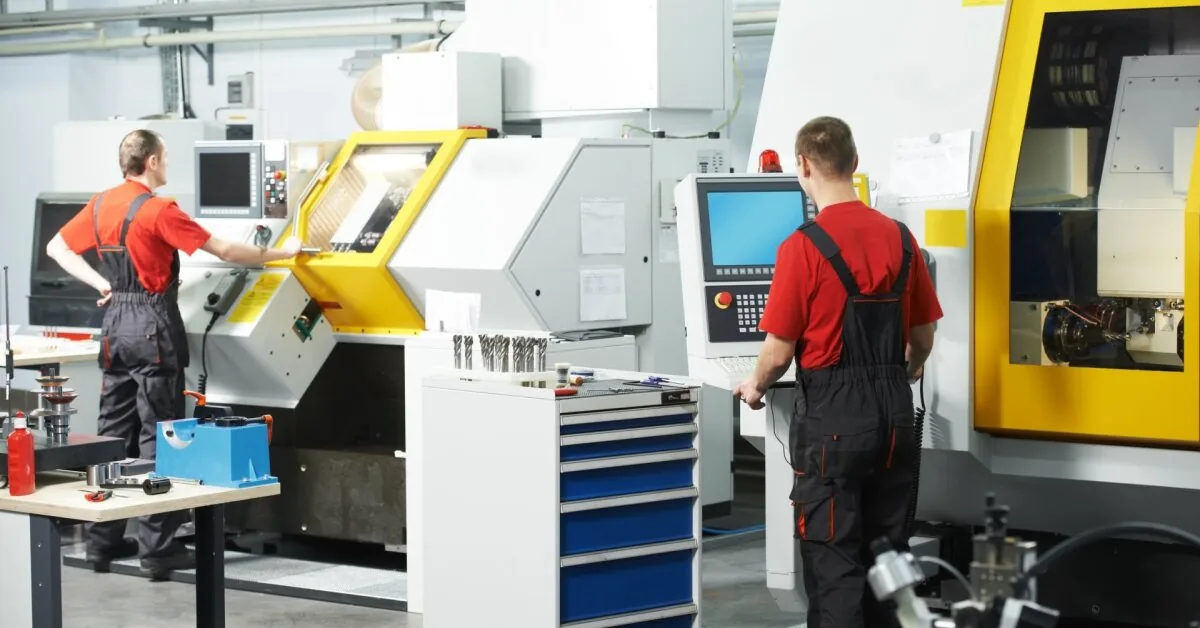
By economic activity sectors, most occupational disease cases were identified in the manufacturing sector (32.3%), as well as in construction, transport, and storage sectors. It is noted that the manufacturing sector recorded the largest increase in occupational diseases over the year.
In 2025, occupational disease cases were identified in 42 out of 60 Lithuanian municipalities. The highest number of occupational disease cases per 100,000 municipality residents was recorded in Telšiai district and Alytus district municipalities (422.0 and 393.9 cases per 100,000 municipality residents), the lowest in Klaipėda district, Plungė district, and Klaipėda city municipalities (2.8 cases, 5.7 cases, and 8.0 cases per 100,000 municipality residents, respectively).
Occupational diseases remain one of the most important employee health issues – their occurrence is influenced not only by traditional physical or chemical factors but also by a changing work environment and new challenges related to work organization and technologies.