The disease can develop unnoticed
Kidney disease can progress for many years without causing obvious symptoms. By the time discomfort is felt, the disease may already be advanced. Early signs can also appear in other parts of the body and seem completely unrelated to the kidneys.
Read more United Nations: At least 76,000 people have left their homes in Yemen since July due to fighting
Persistent fatigue can be a warning sign
When kidney function is impaired, unusual fatigue and weakness may occur. This can be related to anemia and substances accumulating in the blood.
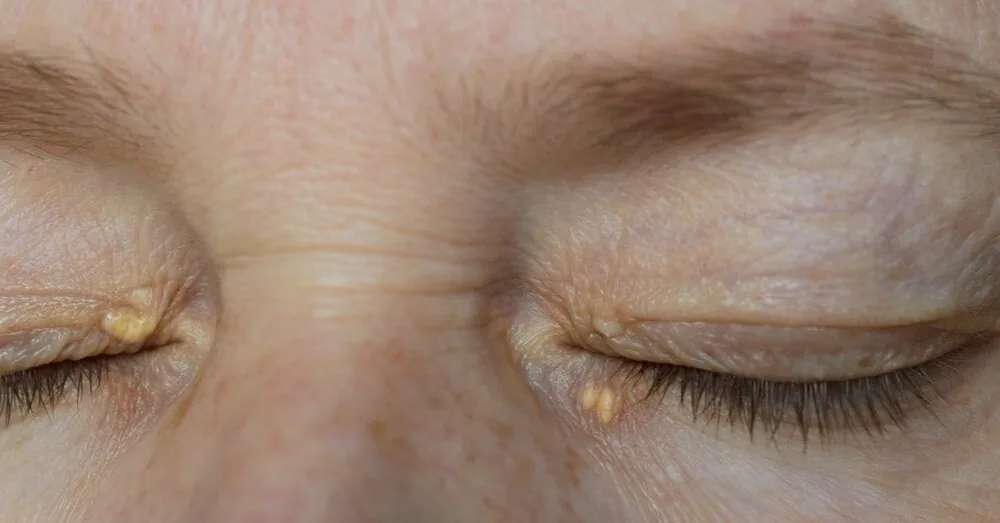
Pay attention to swelling
If the kidneys can no longer effectively remove fluids and sodium, excess fluid may accumulate in the body. This can cause swelling in the legs, feet, and areas around the eyes.
Urination habits may change
Kidney problems can alter the amount of urine excreted. Some people may urinate more frequently or produce more urine than before, while others may notice a decrease in volume.
Persistent foam in the urine may indicate that proteins are entering the urine. This can happen when kidney filtering function is impaired.
Blood in the urine is another possible early sign of kidney problems. Therefore, this is a change that should not be ignored.
Itching and dry skin may be related to the kidneys
Persistent itching and dry skin can occur when kidney function is impaired. However, these symptoms can also have other causes.
Read more „Neptūnas“ advanced to the Garastas Cup tournament final
Nausea and loss of appetite may occur
Poor kidney function may be accompanied by nausea and decreased appetite. These are symptoms that many people would not immediately associate with the kidneys.
Concentration ability may be impaired
Difficulty concentrating is another possible sign related to poor kidney function. However, as with other symptoms, there can be various causes for this.
Blood pressure and kidneys affect each other
High blood pressure can damage the kidneys, and kidney damage can contribute to increased blood pressure. Therefore, over time, these two problems can exacerbate each other.
Some people should be especially vigilant
People with diabetes, high blood pressure, or heart disease, as well as those with a family history of kidney disease, should consult a doctor for preventive screening.
Symptoms alone do not prove that a person has kidney disease, but several signs appearing together may be a reason to seek medical evaluation.