“When the museum announced it was preparing an exhibition on the history of high technology, I was often asked whether this was really our field. I am an archaeologist, so I found my answer to this question. Many objects in our collections are inventions. A flint axe, a pot, or a spindle were once the latest technology of their time,” said Dr. Rūta Kačkutė, General Director of the LNM, at the opening.
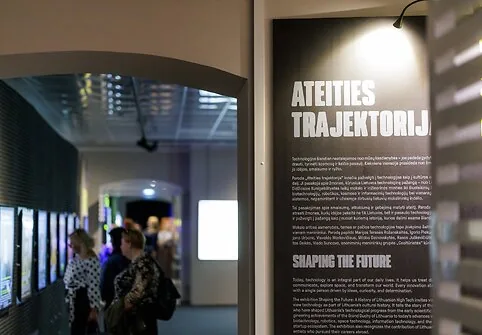
According to her, the distinction between the humanities, social sciences, and exact sciences did not arise from the fields themselves, but from our practical convenience.
“A scientist works on similar things as a writer: creating a world that does not yet exist, and then working for a long time to make it appear. This exhibition is not the final summary of the history of Lithuanian high technology. It is a beginning,” shared Dr. R. Kačkutė.
A flint axe, a pot, or a spindle were once the latest technology of their time.
The exhibition’s narrative begins with the prehistory of technology in Lithuania. In the introductory hall, visitors will see the history of science and technology from the 17th to 19th centuries: Kazimieras Semenavičius and his “Great Art of Artillery,” Tito Livio Burattini, whose 1675 book published in Vilnius introduced the term “metra,” Tomas Žebrauskas who established the observatory in 1753, Martynas Počobutas-Odlianickis, Jonas and Andrius Sniadeckis, Aleksandras Griškevičius who constructed the “Žemaitis garlėkis” in 1851.
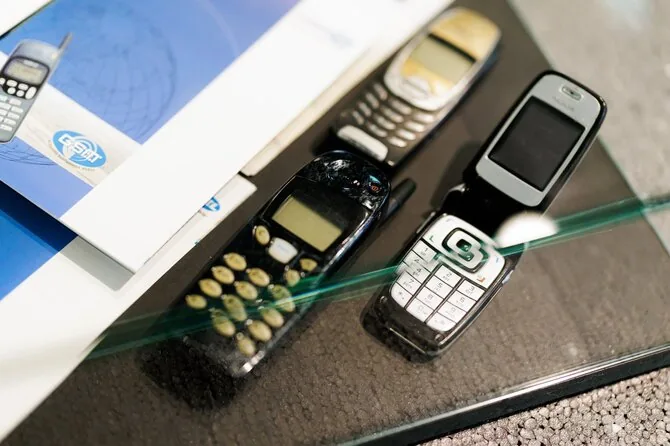
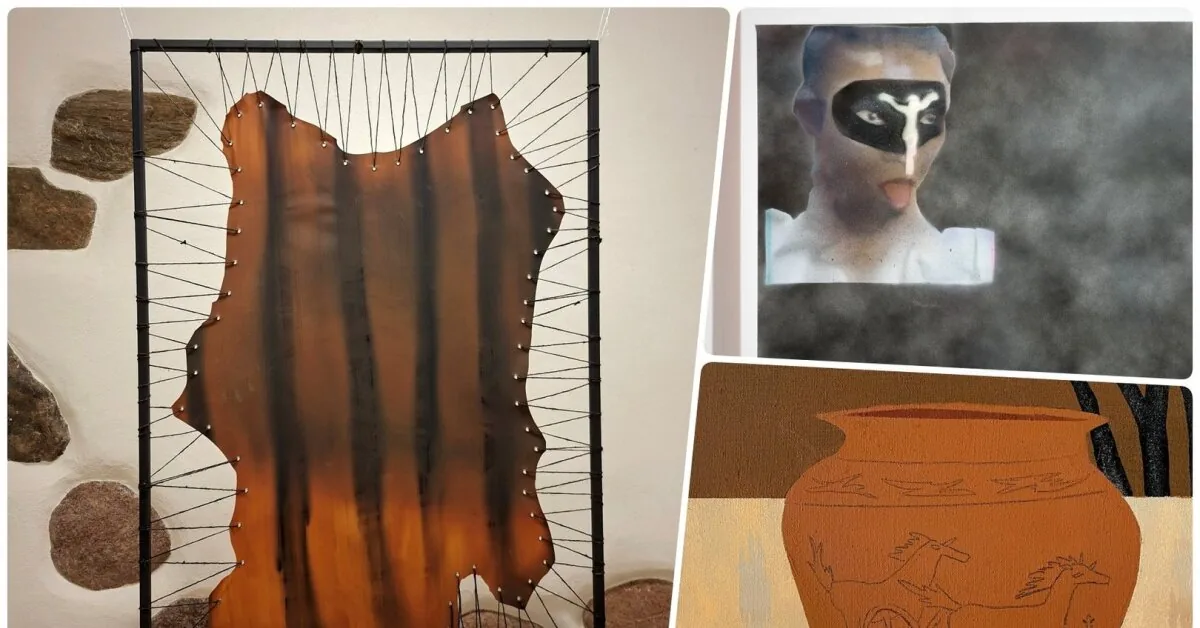
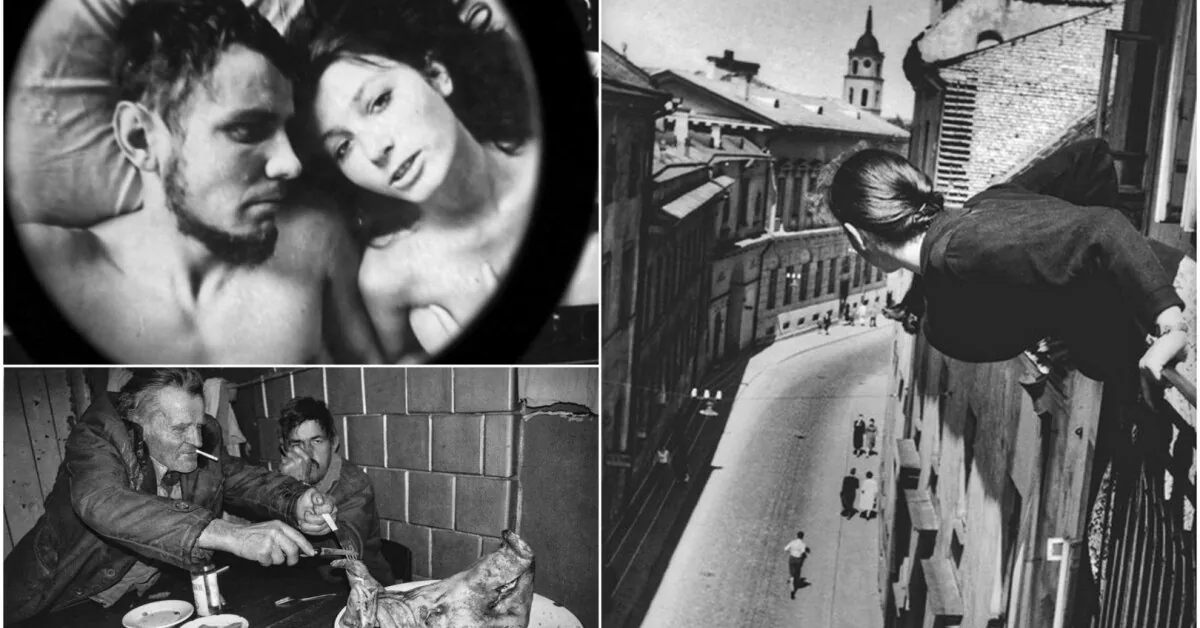
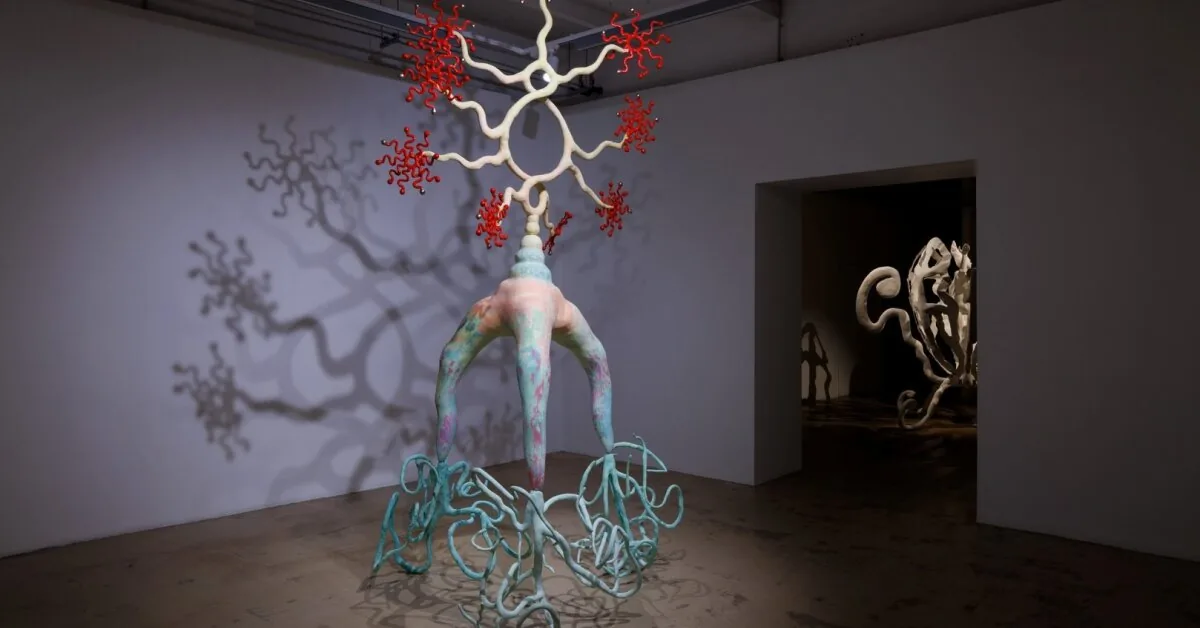
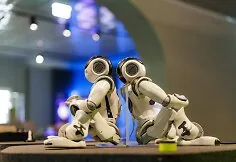
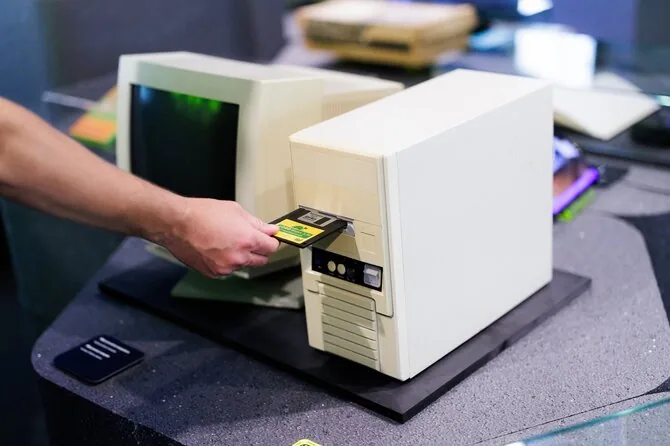
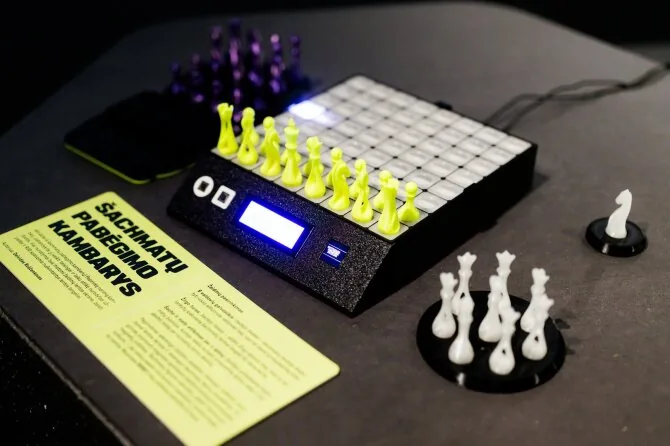
The later narrative of the exhibition is arranged by fields – lasers, biotechnology, information technology, space, robotics, and the intersection of technology and art. Among the artworks exhibited are works by Marija Teresė Rožanskaitė, Julijonas Urbonas, Jolita Vaitkutė, Vladas Suncovas.
President’s Chief Advisor Dr. Jolanta Karpavičienė spoke at the opening about the place of technology in state policy.
“This exhibition presents much more than the development of technology in our country. It reveals Lithuania’s ambition and ability to create history. Science and technology today are no longer just a matter of education or economic policy. They are the axis of national security,” said Dr. J. Karpavičienė.
It reveals Lithuania’s ambition and ability to create history.
The Innovation Agency is one of the financial sponsors of the exhibition. Its head, Monika Paulė, reminded at the opening that laser technology in Lithuania celebrates 60 years this year, 90–95% of laser production is exported to more than 80 countries, and more than 300 companies operate in the field of biotechnology.