Spinal muscular atrophy is an extremely rare disease, diagnosed in one out of 10,000 newborns. According to Dr. Milda Dambrauskienė, a pediatric neurologist at the Kaunas Clinics Center for Nervous and Muscular Diseases, this disease causes the degeneration of motor neurons in the spinal cord responsible for transmitting signals to the muscles. As a result, the muscles weaken and atrophy, and as the disease progresses, spinal and joint deformities may develop, further complicating movement.
Read more Another transport company goes bankrupt: lays off all employees
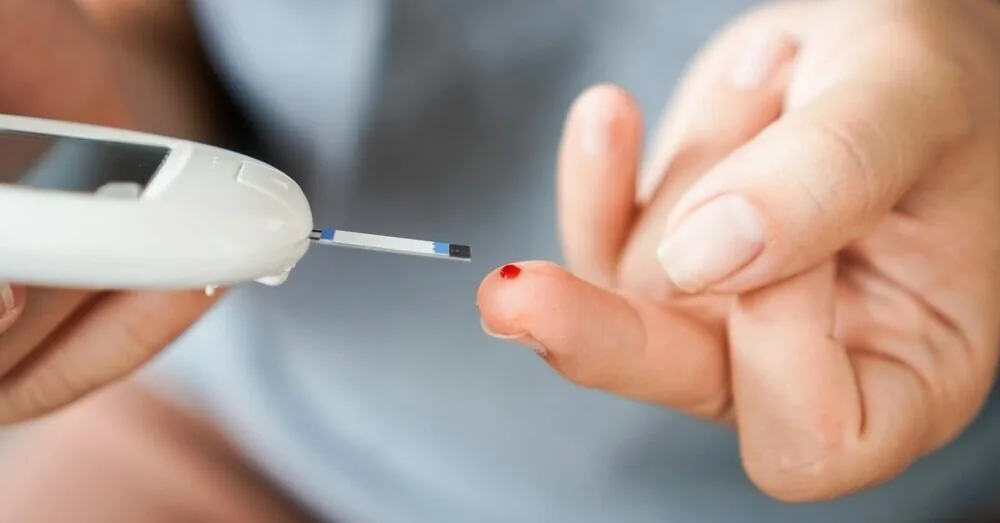
Since spinal muscular atrophy is a progressive disease, it is very important to start treatment as early as possible. Jokūbas’s disease was suspected during universal newborn screening, during which blood is taken from the heel of a baby just a few days old and tested for 12 congenital diseases. Treatment was started before the symptoms of the disease appeared.
“This case is unique because for the first time the entire system worked perfectly: from taking blood from the heel in the maternity hospital to successfully applying gene therapy,” says the pediatric neurologist.
Jokūbas’s mother recounts that she received a call from Kaunas Clinics about the suspected illness of her son less than an hour after returning home following the screening. “It was like a lightning strike in our home; we heard the suspected diagnosis – spinal muscular atrophy. At that moment, I did not yet know how much awaited us with Jokūbas, but I knew one thing – I would do everything so that my child would have as many opportunities as possible to live a full life,” the woman confides.
The very next day, after confirming the diagnosis, Jokūbas was immediately prescribed oral medication. Later, after additional tests and ensuring safety, gene therapy was applied to the baby at Kaunas Clinics – a one-time, hour-long infusion of the drug into a vein. “Jokūbas is the youngest patient in Lithuania to receive gene therapy – the baby was only 29 days old,” says M. Dambrauskienė.
The doctor notes that some parents believe that if the child looks healthy or if there were no such cases in the family, testing is unnecessary. “These beliefs are incorrect and can delay diagnosis confirmation,” points out M. Dambrauskienė. Refusing testing means the disease is diagnosed only after the first symptoms appear, which can mean a later start of treatment and less effective therapy.
When the first treatment options for the disease appeared, it was observed that the best results are achieved when drugs are administered before the onset of symptoms, in the presymptomatic stage of the disease. According to the doctor, in clinical practice there are cases where even a few days’ difference before starting treatment can lead to irreversible health changes. “Before the disease had treatment, many babies did not survive even until their second birthday,” notes the doctor.
Read more Indrė Genytė-Pikčienė. Latvian VAT relief on food: a cure for inflation or an election sweetener?
Today, Jokūbas’s progress delights both the baby’s relatives and the medical staff. “Probably the biggest change in our daily life is that today we can live much more with hope rather than fear. We increasingly catch ourselves simply living – enjoying Jokūbas, his smile, and every new achievement,” says the child’s mother.
To parents who have heard this diagnosis, Jokūbas’s mother advises to believe in their child and not to forget that he is not just a patient. “Although in the first days it may seem that only uncertainty and fear lie ahead, I now know that the diagnosis is not the whole story of your child. Today, there is much more hope in our family, and I would like to pass that hope on to others,” the woman notes.
Currently, about 50 people with spinal muscular atrophy live in Lithuania, of whom 48 patients are cared for at Kaunas Clinics. Treatment has been applied in Lithuania since 2018, and during this period treatment options have greatly expanded – from drug injections into the spinal canal to oral medications and gene therapy. Currently, 40 patients at Kaunas Clinics are treated with oral drugs, and since 2021 gene therapy has been applied to four children.
At Kaunas Clinics, patients with this disease are cared for by a multidisciplinary team of specialists from the Center for Nervous and Muscular Diseases. It includes pediatric and adult neurologists, nurses, physiotherapists, dietitians, physical medicine and rehabilitation doctors, pulmonologists, cardiologists, surgeons, orthopedists, and endocrinologists.
August is Spinal Muscular Atrophy Awareness Month. During this time, efforts are made to increase public awareness of this rare disease, encourage better understanding of the experiences of those affected and their families, and draw attention to the importance of early diagnosis and treatment.
Read more From Inga Valinskienė – message: «This is the last chance»