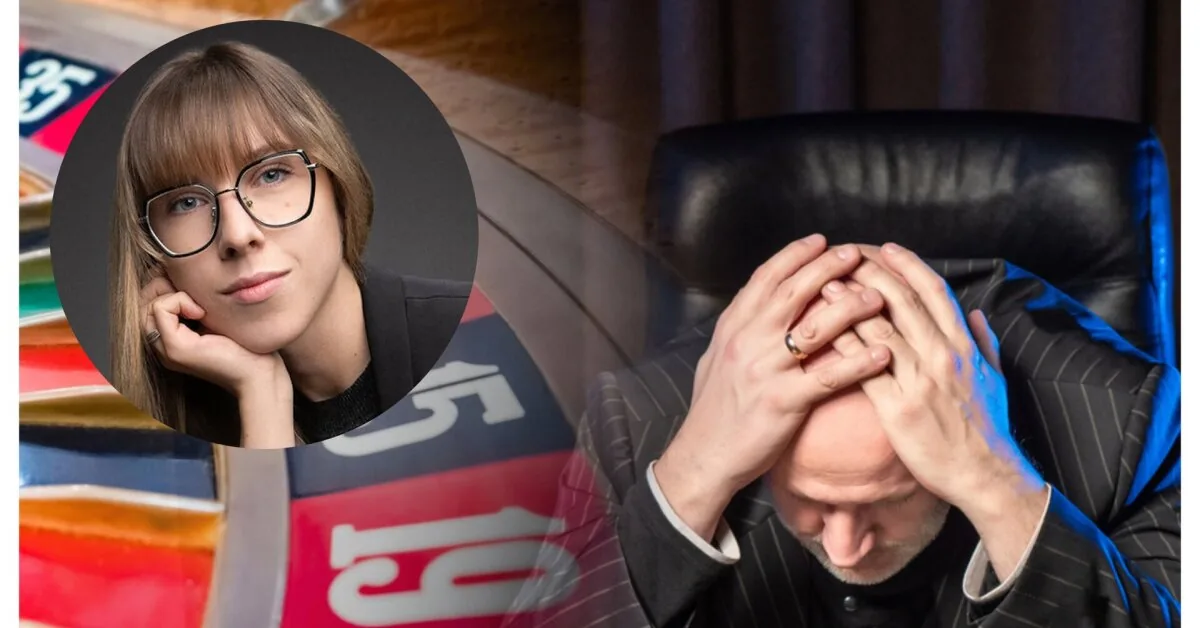
The greatest danger is believing that the problem is gone
According to the specialist, people who stop gambling usually face several challenges at once. They have to learn to live with emotions they previously escaped from by gambling, create a new daily routine, rebuild relationships, and find meaning in life that was long associated with gambling.
However, one of the most common mistakes happens precisely in the first weeks.
“I notice that in the first weeks clients often feel very motivated not to gamble. They say they have understood their mistakes, no longer have thoughts about gambling, and therefore conclude that the problem is gone. Because of this, many people do not continue the recovery path – after a few psychologist consultations or visits to Gamblers Anonymous groups, they refuse help because they believe they will not return to gambling. Therefore, I would say that the hardest part in the first weeks is to stay on the recovery path,” says G. Glušauskaitė.
According to her, such a belief can be deceptive. Stopping the recovery process significantly increases the risk of relapse. Working with clients, the specialist often invites them to remember previous attempts to stop gambling.
“When a person says they have already recovered, we look together for an answer as to how this state differs from the one experienced the last time they stopped gambling. Many clients have more than one episode of trying to stop gambling on their own. We talk about the arguments they rely on to believe that this time they definitely will not relapse. Sometimes such a conversation helps to see that a similar state was already experienced before, but over time the person returned to gambling because they never gave themselves a chance to learn new skills or better understand their behavior,” explains the psychologist.
Often the recovery path begins only after several unsuccessful attempts to stop gambling.
By recalling the entire gambling journey and those painful states that led to seeking help, a person can consciously decide whether to stop or continue recovery.
The specialist emphasizes that recovery is rarely a straight process: “Usually it takes several years. It is natural that various resistances arise. Often the recovery path begins only after several unsuccessful attempts to stop gambling.”
When gambling is gone, emptiness appears
People who have gambled often say that gambling was not only a habit or entertainment. It filled time, thoughts, emotions, and sometimes social connections. Therefore, when giving it up, an inner feeling of emptiness often appears.
“Recovery is not just about abstaining from gambling. It is about creating a new lifestyle,” emphasizes G. Glušauskaitė and adds that it is first important to take care of basic needs – quality sleep, physical activity, and balanced nutrition. But activities that bring pleasure are equally important.
The psychologist points out that many people who stop gambling feel guilt and shame about their past, so they direct all their energy to repaying debts.
“Often people no longer want to spend money on their hobbies or entertainment because they feel guilty. However, we notice that relapses happen more often when a person does not create a new routine and does not take care of their needs. Then life starts to resemble a pendulum – either I gamble, or I work hard, repay debts, and do not allow myself anything,” notes the specialist.
In recovery, it is important to take care not only of physical but also psychological needs. Learning to cope with stress, anxiety, boredom, and other unpleasant emotions is very important because without mastering this, the risk of relapse remains high.
Psychological help, participation in Gamblers Anonymous groups, and support from loved ones can become an important part of the recovery process.
Read more Ukrainian war veteran – openly about the lessons of war: «Do not repeat our mistakes»
Unpleasant emotions are not the enemy
According to G. Glušauskaitė, emotional regulation is not an innate ability. Every person learns it throughout life, not only those who face addiction.

“Gambling often becomes a quick way to escape anxiety, loneliness, guilt, anger, or helplessness. But in the recovery process, a person gradually learns not to run away from these experiences but to recognize, name, and stay with them without resorting to impulsive, harmful decisions,” she explains.
This is neither an easy nor a quick process. Often one has to relearn things that, due to various life circumstances, were not learned earlier – how to calm down under strong stress, how to talk about one’s needs, how to ask for help, and how to take care of oneself in difficult moments.
Unpleasant emotions are not dangerous by themselves. They are a natural part of life.
“Psychotherapy, mutual support groups, support from loved ones, and even meeting basic physical needs can help with this. It is important to understand that unpleasant emotions are not dangerous by themselves. They are a natural part of life and often convey an important message about our needs, boundaries, or unresolved difficulties,” says the interlocutor.
She emphasizes that recovery does not mean a life without anxiety, sadness, or disappointment: “Recovery is related to the ability to say to yourself: ‘I am having a hard time now, but I can endure it and take care of myself.’”
At first, life without gambling may resemble mourning
Many people who no longer gamble talk about another difficult stage – the feeling that life has become empty, boring, or even meaningless. According to G. Glušauskaitė, this feeling is a completely natural part of the recovery process.
“For many years, gambling could have occupied a very important place in a person’s life. It gave excitement, hope, escape from difficulties, filled time and thoughts. Therefore, when stopping gambling, not only relief but also emptiness, boredom, or confusion often appear,” she lists.
The specialist urges not to blame oneself for this. According to her, after the addiction phase, a person often experiences a kind of mourning process: “Even the loss of a harmful habit can cause conflicting feelings. Therefore, one should not reproach oneself if joy is not yet felt or if the direction of life is not clearly seen. It takes time, patience, and support.”
Some people are frightened by the thought that if life without gambling seems dull now, it will always be that way.
However, according to the specialist, this usually means only one thing – the brain and the person themselves need time to adapt to a different life rhythm and rediscover what brings meaning and joy.
“Recovery is not just giving up gambling. It is also the beginning of the search for the answer to the question ‘how do I want to live on?’ It is an opportunity to rebuild relationships with loved ones, return to previously forgotten hobbies, discover new interests, and take care of one’s physical and psychological health. At first, these activities may not seem as intense or exciting as gambling, but over time they help create stability, security, and deeper satisfaction with life,” emphasizes G. Glušauskaitė.
Read more People dominated by the past: when can nostalgia become a problem?