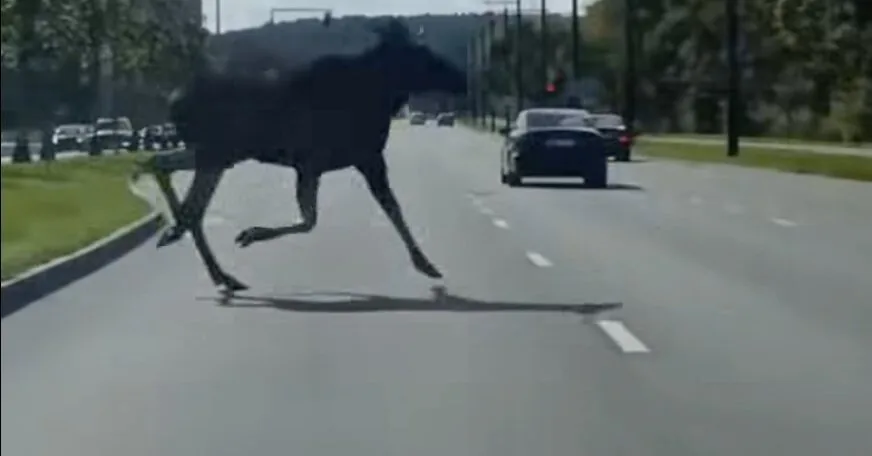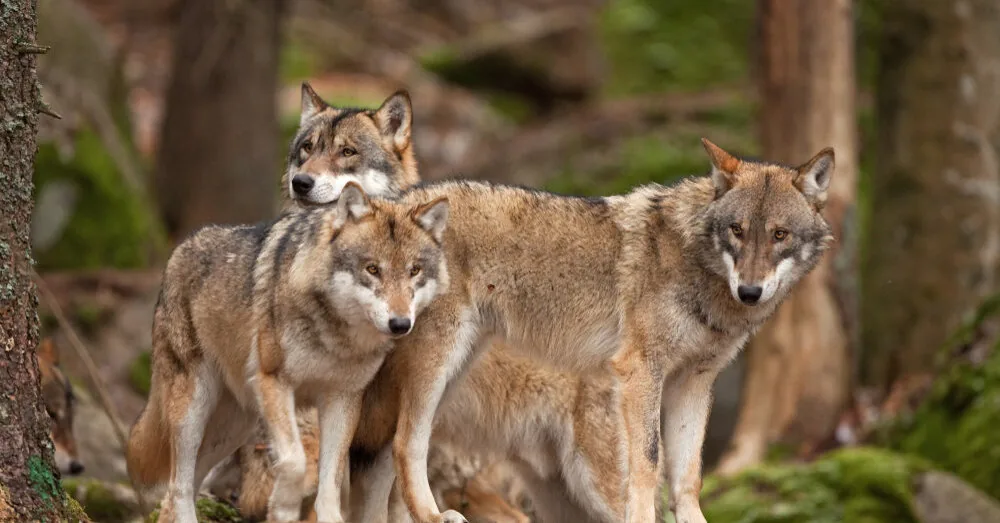
Wolves can target not only sheep, goats, or calves left in pastures – an easy prey can also be a dog tied up in the yard of a homestead at night, unable to escape or retreat to a safe place. From August to October, wolf activity near farms increases, so it is especially important now to assess the available protective measures and take care of both farm animals and pets.
Read more The shooter has become a Jurbarkas entrepreneur: «I don’t want people to come just for the number»
Wolves are protected wild animals and an important part of Lithuania’s ecosystem. They usually avoid humans, but easily accessible prey can encourage them to approach farms or homesteads. The greatest risk arises when animals are grazed without supervision, left overnight in open pastures, or are not properly protected.
The greatest risk is at night
The biggest danger is to sheep, goats, calves, and other smaller farm animals. To reduce the risk of attack, it is recommended to keep them in barns or well-protected enclosures at night.
It is important not only to install protective measures but also to constantly ensure that they actually perform their function. Enclosures, fences, and gates should be regularly checked, and any detected damage should be immediately repaired. One effective measure can be properly installed electric fences.
Additionally, motion sensor-controlled lighting, sound, or light deterrents can be used. However, these should be used together with reliable enclosures and not become the sole protection for animals.
A tied dog is easy prey
VMVT draws attention to the fact that as this period approaches, it is important not to forget dogs kept in homesteads and farms. Those left tied outside at night are especially vulnerable.
Read more Brito vacation on a dream island ended with parasites in the eye: begs not to repeat his mistake
Although it is sometimes thought that a barking dog can scare off a wolf, the opposite can happen – barking can attract predators’ attention and encourage them to approach the homestead or farm buildings. A tied dog in such a case has no chance to escape, retreat to a safe place, or avoid confrontation. When confronted with one or several wolves, it usually has no real chance to defend itself. Therefore, the safest option is to keep dogs indoors, in a closed kennel, or another place protected from wild animals at night.
Predators can also be attracted by what we leave on the farm
When caring for animal safety, it is important to also assess the farm or homestead environment itself. Food waste that can attract predators should not be left on the premises. It is also important to properly manage the carcasses of farm animals and waste generated during slaughter to prevent them from becoming an easily accessible food source attracting wolves to the farm.
If a wolf has already visited, it may return
If a wolf attack has already occurred, it is important not to delay and to strengthen animal protection as soon as possible. Wolves may return to places where they previously found easily accessible prey, so after an attack, it is necessary to immediately assess where protection was insufficient and take additional measures.
The most important thing is not to wait for wolves to visit. Approaching the period when the risk of wolf attacks increases, by preparing proper enclosures, keeping animals at night, and maintaining a safe farm environment in advance, it is possible to significantly reduce the likelihood of attacks and protect both farm animals and pets.