As stated in the press release from the Ministry of Justice, the aim is to encourage buyers to use purchased goods longer and to create more favorable conditions for their repair both during the statutory warranty period and after it expires. In addition, it is expected that this will help reduce environmental pollution and strengthen the principles of the circular economy.
Read more A dangerous virus is raging in Greece: new deaths registered, dozens of people in hospitals
Key changes for consumers: free repair and warranty extension
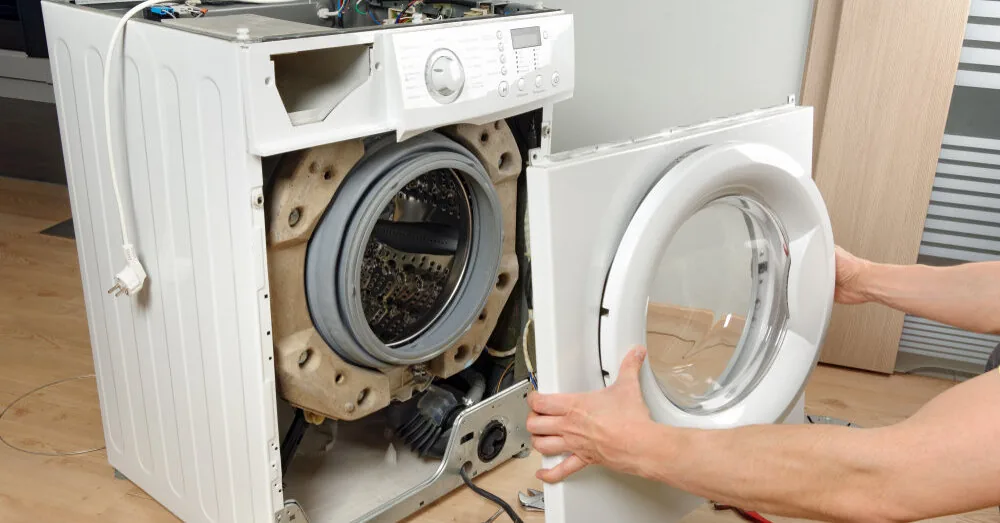
One of the most notable changes provided by the new regulation is the extension of the statutory warranty. If a consumer chooses to repair a broken device rather than replace it with a new one during the two-year statutory warranty period, the warranty for that device is extended free of charge for an additional 1 year.
This rule applies to products purchased from July 31, 2026. The additional one-year warranty will apply to the following product groups:
- Household washing machines and washer-dryers
- Household dishwashers
- Refrigeration appliances
- Televisions
- Welding equipment
- Vacuum cleaners
- Servers and data storage products
- Mobile phones, cordless phones, and tablet computers
- Household drum dryers
- Products with small vehicle batteries
- Household local space heaters
Sellers will be required to inform buyers about their right to choose repair and the related warranty extension. If the device cannot be repaired during the warranty period, the buyer retains the right to demand a replacement product, a price reduction, or a refund.
Obligations for manufacturers: repair and existing equipment
The new regulation also defines manufacturers’ obligations after the 2-year statutory warranty period expires.
Manufacturers whose products are subject to repairability requirements under EU law are obliged to ensure repair services and the availability of spare parts at a reasonable price.
Read more The last summer evenings in Vilnius will be colored by jazz: a new festival is born in Žvėrynas
It is important to note that this obligation to repair and supply parts applies not only to devices purchased after July 31, 2026, but also to those acquired earlier, for which repairability requirements are set by EU law. Manufacturers are also prohibited from using contractual, software, or hardware barriers that would prevent independent repairers or consumers themselves from repairing equipment. If the device cannot be repaired for technical reasons, the manufacturer must provide a written, reasoned refusal.
Easier way to find repair services
To make device repair as convenient as possible, a common European electronic platform (with a national section in Lithuanian) is being created, which will be fully operational by summer 2027.
Residents will be able to easily find repair service providers or sellers of refurbished equipment there. Repair service providers will be able to provide consumers with information about repair conditions using a standard European repair information form.
A uniform information format will help to more easily compare prices, deadlines, and other conditions, making it easier for consumers to make decisions about repairing a product.
Read more Mykolas Alekna, who completed the European medal collection: «I still wanted gold…»