The article notes that the war on earth remains bloody, but the front line is essentially moving little. At the same time, both sides are increasingly using rockets and drones, trying to exhaust the opponent.
Read more Tragedy in the pool – swimming coach drowned
Last month, Ukrainian President Volodymyr Zelensky said in an interview with the Financial Times that the outcome of the war could be determined by the “battle in the sky.”
Therefore, according to the publication, it is necessary for Ukraine’s allies to strengthen the country’s defense against one of the greatest threats – ballistic missiles – as soon as possible.
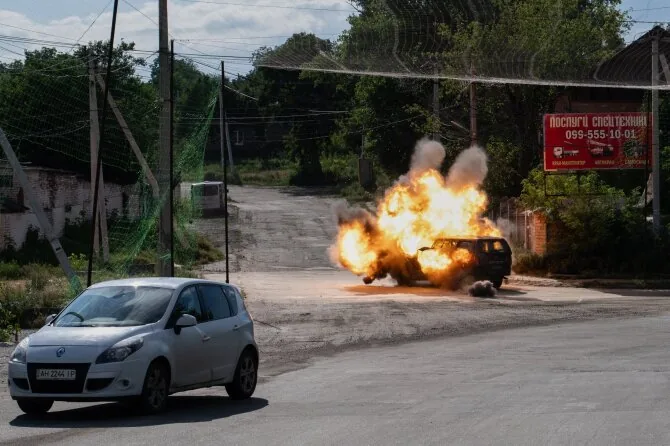
“One of the most notable changes this year is the effectiveness of Ukraine’s strikes at medium and long range,” the article notes.
Ukrainian forces are increasingly attacking Russian military targets in occupied Crimea and logistics routes connecting the peninsula with Russian territory. Due to such strikes, it is becoming increasingly difficult for Moscow to supply and defend Crimea.
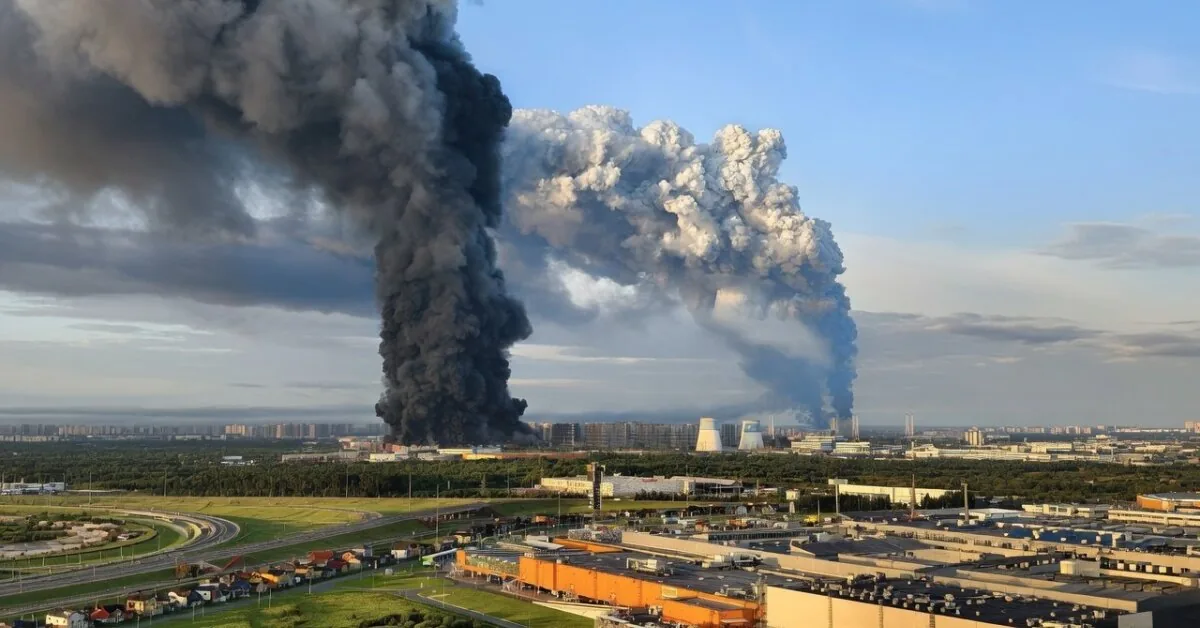
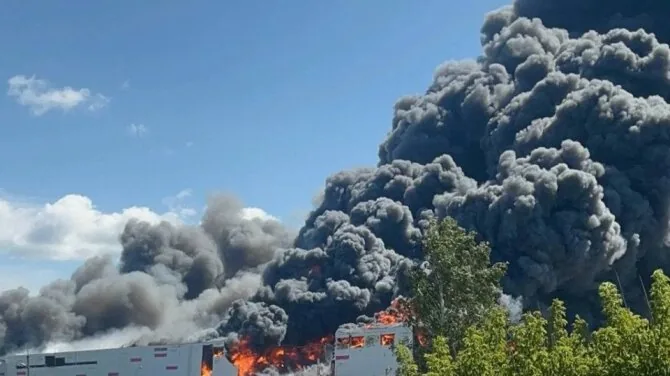
Kyiv is also increasingly using more precise long-range drones and missiles to strike Russian defense industry facilities, oil refineries, and warehouses.
According to the FT, such attacks not only weaken Russia’s war machine but also allow ordinary citizens of the country to feel the cost of the war started by Vladimir Putin.
“It is precisely now that Ukraine, with the help of Western allies, should maximize its advantage and force Putin to sit at the negotiating table,” the publication states.
Ukraine’s Weak Spot
However, recent weeks have shown that Ukraine itself remains highly vulnerable to Russian ballistic missile attacks.
According to the FT, one reason is insufficient Western support in strengthening Ukraine’s air defense.
The publication notes that in 2024 and 2025, Russia significantly increased ballistic missile production. Moscow exploited gaps in Western sanctions and continued to acquire necessary components.
According to war analysts and Ukrainian intelligence assessments, Russia can currently produce about 70 ballistic missiles per month.
Last month alone, Russian forces launched 198 missiles at targets in Ukraine.

The FT reminds that the most reliable defense for Kyiv against ballistic missiles currently remains the American Patriot systems.
However, their missile interceptor stocks are running low.
“Moscow strikes Ukrainian defense industry facilities, transport hubs, energy, and water supply infrastructure practically unhindered,” writes the FT.
Read more In Širvintos, a man resisting police for public order violation is detained
The situation was further complicated by the war with Iran, which significantly reduced the stocks of missile interceptors available to the US and its allies in the Persian Gulf region.
The US has already taken measures to increase production, but significant results may take years.
Hope Lies in Europe
Therefore, according to the FT, the role of European countries becomes extremely important.
“Even more important is that European partners with large stocks, such as Spain and Greece, transfer a larger share of them to Ukraine,” the publication states.
The publication also urges the US to implement a plan to grant Ukraine a license to produce Patriot missile interceptors itself.
Such an agreement would eventually help increase global production capacity of these missiles.
However, this is not a quick solution. Technology transfer and the creation of certified supply chains may take several years.
But, according to the FT, even an agreement on future production could encourage allies to share their current stocks more boldly, knowing they will be replenished later.
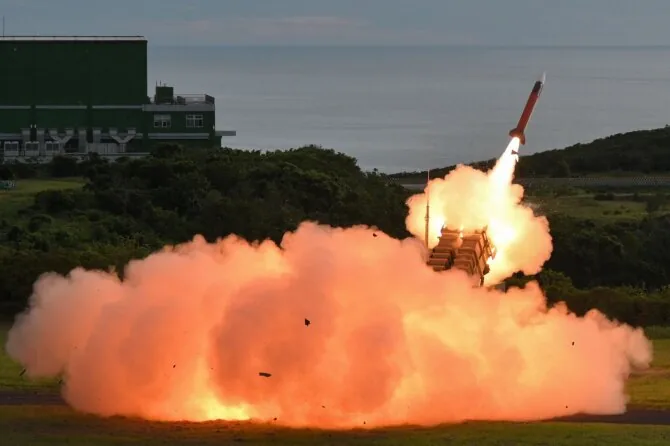
France and Italy, according to the publication, should also accelerate the supply of SAMP/T NG systems – the European alternative to Patriot – and expand production of interceptors for them.
The FT notes that if Europe had invested more earlier in air defense production capacity, today both Ukraine and the continent itself would be less dependent on US technology.
In the long term, the publication says, Ukraine and its partners should cooperate more actively with defense technology startups and massively produce cheaper missile and drone interceptors.
But defense alone, according to the FT, is not enough.
Ukraine’s allies should also provide Kyiv with financial resources and intelligence information to help strike ballistic missile production facilities and their launch sites in Russia.
“The scale of Russia’s missile production and the shortage of missile interceptors mean that Ukrainian forces must strike not only the ‘arrow’ but also the ‘archer’,” the FT concludes.
Read more Kyrgyzstan offers asylum to Ukraine-attacked «Wildberries»