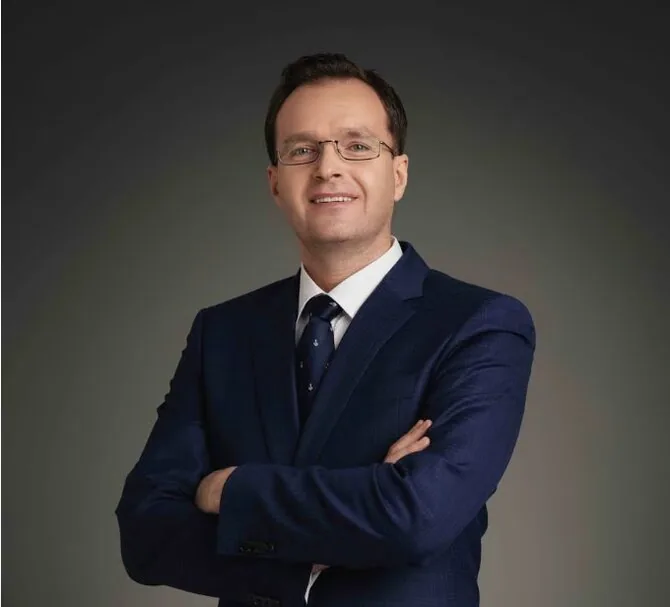
Haroldas Ivanauskas, a lawyer at the law firm “Hub Legal,” told 15min that on Monday the first meeting of the assembled group of affected entrepreneurs took place, attended by about 15–20 landlords and suppliers of goods for the “Mere” stores.
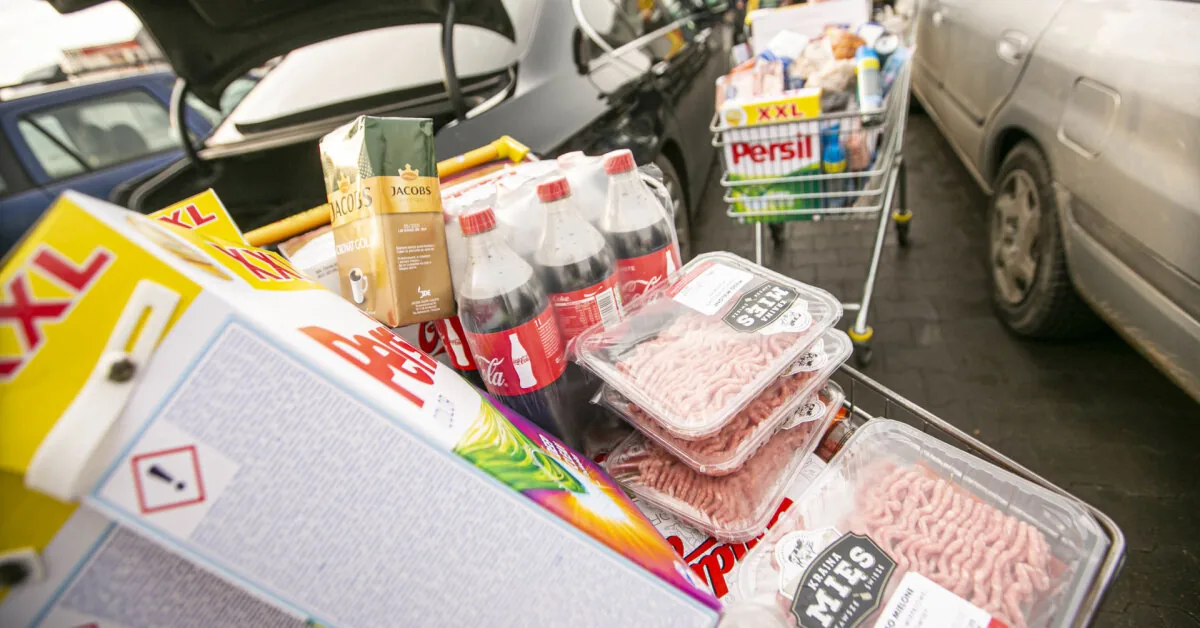
According to the lawyer, some of the affected entrepreneurs are applying to the FNTT for permits to apply exceptions and allow the retrieval of goods stuck in the stores. According to “Hub Legal” lawyers, several such permits were granted and on Monday goods were already being collected from at least two stores in Vilnius and Marijampolė.
According to data received by “Hub Legal” lawyers, representatives of “Mere” in both Latvia and Lithuania participate in the retrieval of goods by suppliers – handing them over to companies that have received FNTT permits.
The fact that several permits to retrieve goods for suppliers were granted was also confirmed to 15min by FNTT press representative Modesta Zdanauskaitė, who did not specify exact numbers. According to her, permits were granted upon receiving requests from companies.
“Exceptions are applied according to the Regulation, the International Sanctions Law, and the Government resolution,” commented M. Zdanauskaitė.
H. Ivanauskas stated that the value of goods delivered to “Mere” by Lithuanian companies is in the millions.
“Losses are of several types: unrecovered goods, as well as landlords’ lost income. There was also the question of who will pay the electricity bills, as refrigerators are running to prevent goods from spoiling. If no one pays for that electricity, the question arose – to disconnect it or not. There are many such nuances, as many goods are food products, some of which have already spoiled, so suppliers also raised the question of whether spoiled goods need to be retrieved,” the lawyer commented on the doubts arising for Lithuanian businesses.
Suppliers retrieve goods faster in Latvia
The “Hub Legal” lawyer said that the process of retrieving goods from “Mere” stores in Latvia is faster.
Read more «Record» in the English Channel – 230 migrants in one rubber boat
“The Latvian FNTT equivalent – the institution responsible for sanctions enforcement (Latvian Financial Intelligence Unit) – issued a general directive that goods for which payment has not been made can be retrieved from ‘Mere’ stores if they are properly described and agreed upon with the company managing ‘Mere.’ Our FNTT, however, is currently making individual decisions. And this takes a very long time because many businesses are applying,” explained H. Ivanauskas.
He stated that lawyers plan to apply to the FNTT, requesting to follow the Latvian example and provide businesses with a general consent to retrieve goods from companies managing “Mere.”
However, FNTT press representative M. Zdanauskaitė stated that Lithuania currently does not plan to follow the Latvian example. “We follow the procedure set out in the Government resolution,” she commented.
They would like a temporary administrator
H. Ivanauskas informed that this week lawyers will continue to monitor how “Mere” communicates with the affected entrepreneurs and whether it returns goods to them.
“And if that process starts to get stuck somewhere, we have decided to apply for the appointment of a temporary administrator for those companies that operated under the ‘Mere’ brand. The administrator, appointed by the Minister of Economy and other institutions, including the FNTT, does not need to apply for each permit or consent from the FNTT – he makes decisions at his own risk to allow, disallow, agree, or disagree. In our opinion, this would greatly speed up the whole procedure,” said the lawyer.
More than 20 stores closed within 15 minutes
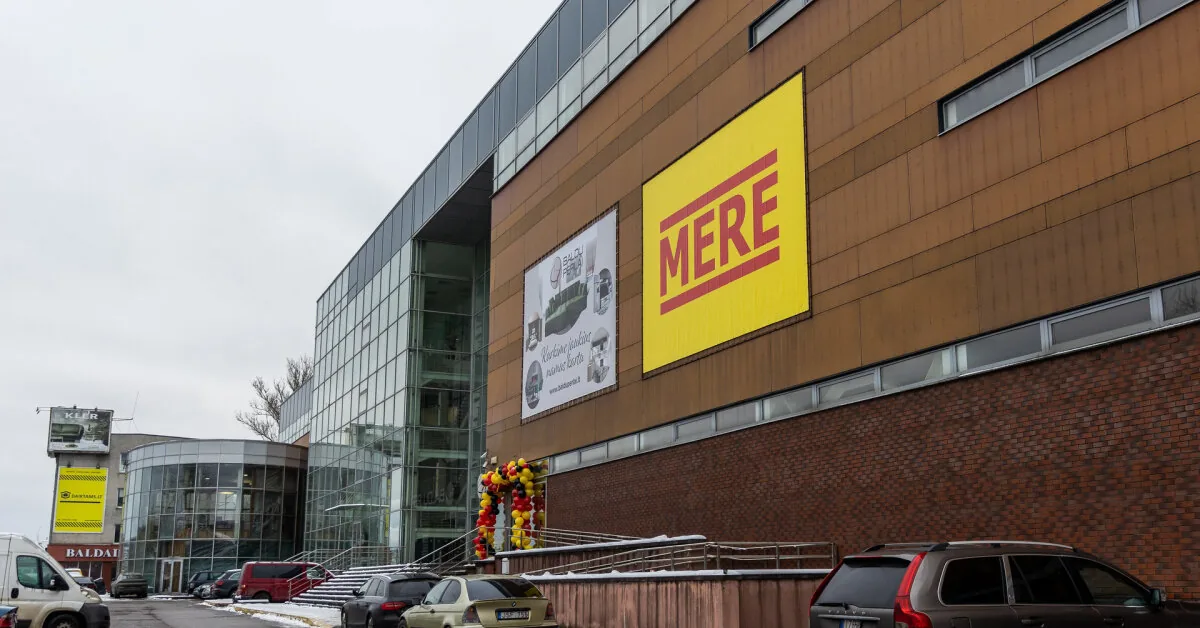
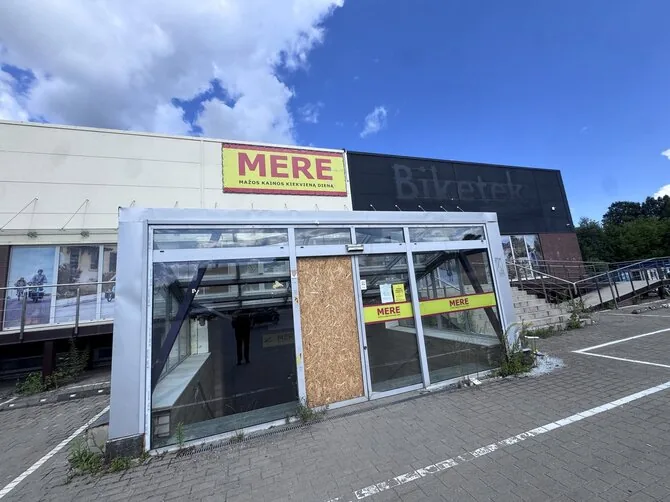
On July 24, the European Union sanctioned Sergei Shnaider, owner of the retail chain group “Svetofor Group,” which also owned the “Mere” stores operating in Lithuania. After this news, more than 20 “Mere” stores in Lithuania were suddenly closed.
According to 15min sources, the news of the closure was completely unexpected even for “Mere” employees – the lights were suddenly turned off and they were told to close the stores and leave the building within fifteen minutes. Even restocking of goods was not allowed.
Read more This summer fruit is worth eating more often: scientists have identified an unexpected benefit
Later, the FNTT froze the funds of the management company of this chain in Lithuania, “Valientė.”