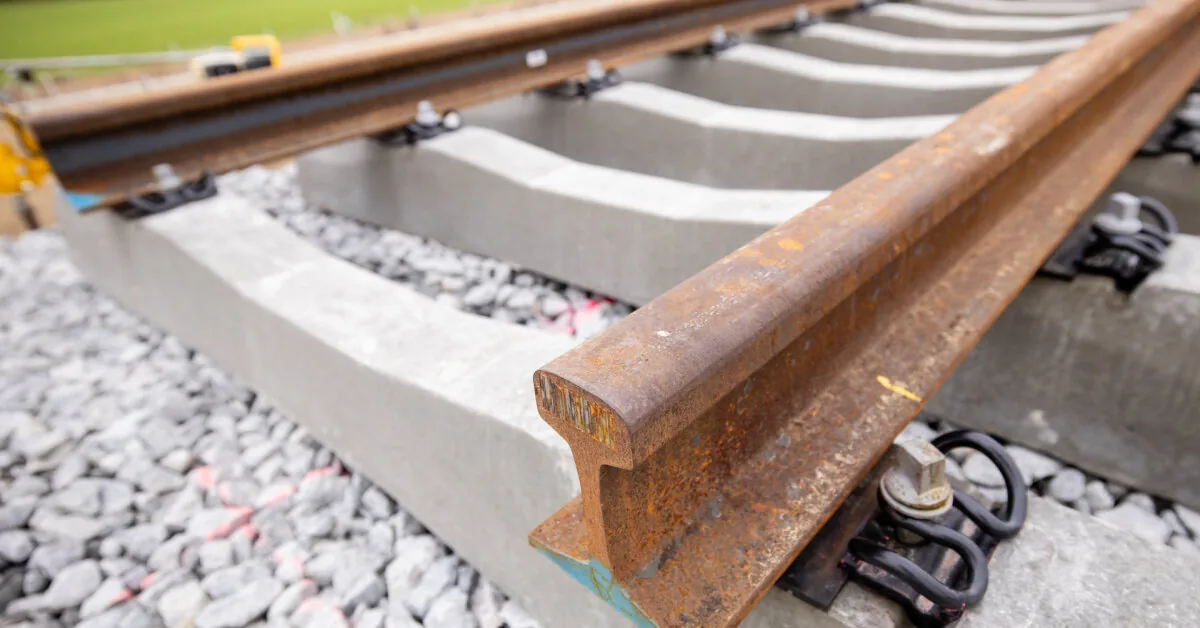
As reported by the company Rail Baltic Estonia, this was the last section of the main route in Estonia awaiting final approval of the environmental impact assessment.
Read more Police commotion in Lentvaris: officers arriving due to a conflicting man blocked the street
When the environmental impact assessment related to Rail Baltic was started in 2012, it was thought that the impact of the entire route could be assessed through a single strategic procedure. The reality turned out to be much more complex, but at the same time the understanding of how thoroughly the impact of such a large infrastructure project needs to be assessed improved. Eventually, the entire main route was analyzed in parts, taking into account construction projects.
When designing the route, various natural values had to be taken into account – from wetlands and rivers to Natura 2000 areas and species of the first protection category. In many places, design solutions were changed, the locations of structures were adjusted, and completely new mitigation and compensation measures were prepared.
The most complex turned out to be the approximately 45-kilometer-long Pärnu–Kabli section, for which the final location of the road corridor had to be determined according to the updated plan before starting the environmental impact assessment.
Read more Disney signed an agreement allowing TikTok users to upload movie clips