The sickle has been one of the most important rural tools in Lithuania for centuries. Haymaking provided farms with fodder, but it was also a community event: families and neighbors worked shoulder to shoulder, and the secrets of preparing, sharpening, and the correct swing of the sickle were passed down from generation to generation.
Read more The Serie A club sent off their trainee to the Lithuanian national team
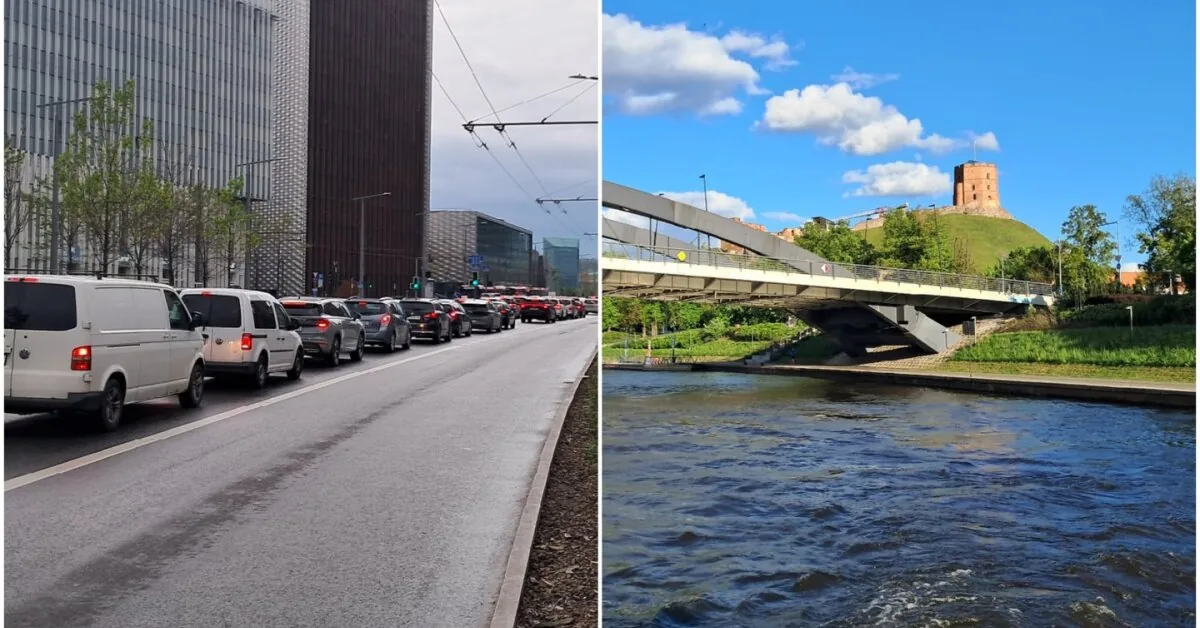
The name of Lithuania was associated with sickles far beyond the country’s borders. In the 19th century, modern long-handled sickles began to be produced in Naujoji Vilnia, known in the Russian Empire as “litovkas.” In 1884, the factory was taken over by German entrepreneur Emil Posel, who invited specialists from the Austrian Styria and Tyrol regions. The sickles made in Naujoji Vilnia quickly spread over a vast area – from Vilnius to Vladivostok, the Caucasus, and Turkestan, and were exported to the Balkan countries, Turkey, and even America.
In 1900, the sickles from Naujoji Vilnia were presented at the Paris World Exhibition, and before the First World War, the factory produced up to three million “litovkas” annually from Swedish steel. In 1913, it was considered the largest sickle factory not only in the Russian Empire but also in the world. The fame of this product was so widespread that the word “litovka” as a name for the sickle entered Russian dictionaries. The golden age of production ended in 1915 when the factory equipment was dismantled and taken to Saint Petersburg.
This story reminds us that the sickle in Lithuania is not just a rural household item. It embodies agricultural tradition, craftsmanship, industrial heritage, and production that made Lithuania’s name known worldwide.
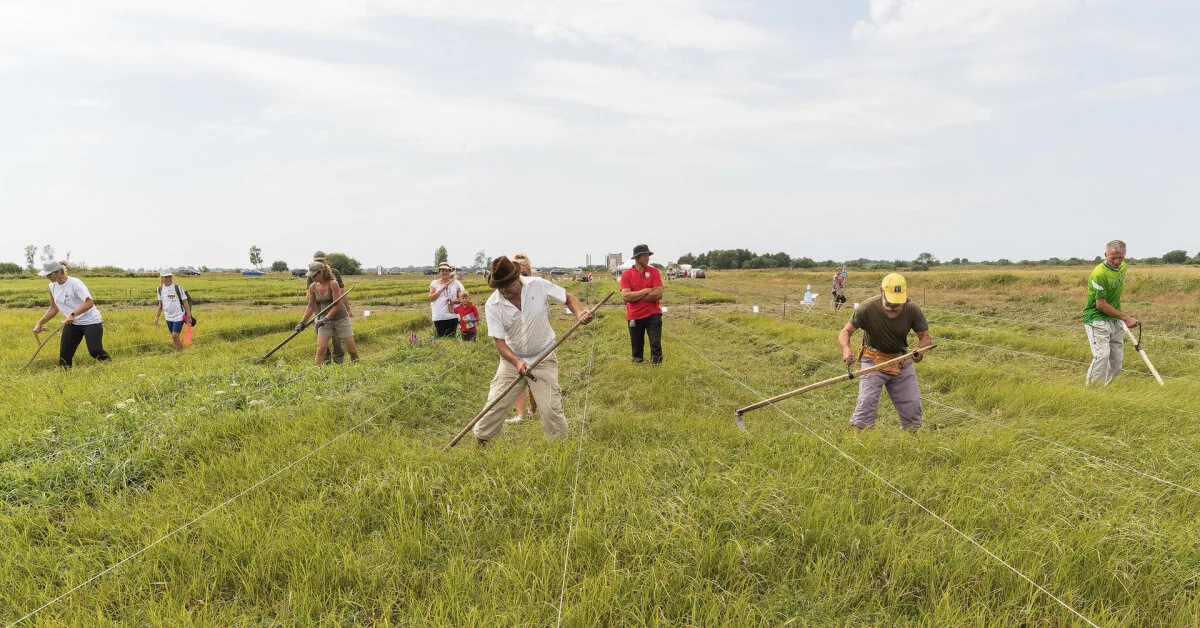
“As the championship approaches, we want to remind once again that this is not just a professional competition. It is a meeting where experience, curiosity, community spirit, and respect for nature come together in one meadow. We invite families, young people, farmers, and everyone interested to see with their own eyes how this old tradition lives on today. In the Rupkalviai meadows, the result is not the only important thing – it is important to feel the rhythm of work, spend time in nature, and understand why these meadows and the life thriving in them deserve our attention,” says Žymantas Morkvėnas, head of the Baltic Environmental Forum and organizer of the championship.
During the event, from 10 a.m., a haymower school will operate, where masters will present the principles of sickle preparation and haymaking, help choose the right posture, demonstrate correct movements, and allow participants to try them out in the meadow.
Read more Moscow mayor complained about drones: became the main target of Ukraine
Beginners will be able to participate in a special “Sickle Debut” competition.
Experienced participants will compete in a team event, amateur competitions, and a neat haymaking contest. Not only speed but also the cleanliness of the swath, accuracy, quality of work, and the ability to handle the sickle correctly will be evaluated. The best will compete for the titles of Haymower of the Year and Haymower Woman of the Year.
The event program also includes a concert by the group “Gobšūs Opršūs,” food, and educational activities for the whole family.
The championship will conclude with a “Friendly Haymowers’ Swath” – a symbolic joint haymaking side by side, dedicated to the old haymowers, their knowledge, and the tradition passed down from generation to generation.
Haymaking with a sickle in the championship is presented not only as heritage but also as a more attentive relationship with the landscape. A working person can notice and avoid bird nests in the meadow, and properly maintained wet meadows remain important habitats for rare species. The Rupkalviai meadows are especially significant for the marsh warbler – one of the rarest songbirds in Europe.
The National Haymowers Championship will take place on Saturday in the Rupkalviai meadows from 10:00 a.m. to 4:30 p.m. The official start is at 10:30 a.m. Participation is free, but prior registration on the website meldine.lt is required.
Read more Vladimir Putin appointed a new head of Russia’s drone forces