








After three hours of negotiations with EU interior ministers, European Commissioner for Migration Magnus Brunner told journalists that this crisis “tested” Europe’s border security, its “resilience to disinformation,” and the “solidarity” of member states.
Read more After Patriarch Kirill’s sermon about the atomic bomb – unexpected criticism
“I believe Europe has undoubtedly passed this test,” said the Commissioner. “It was a crisis, but now, fortunately, it is resolved.”
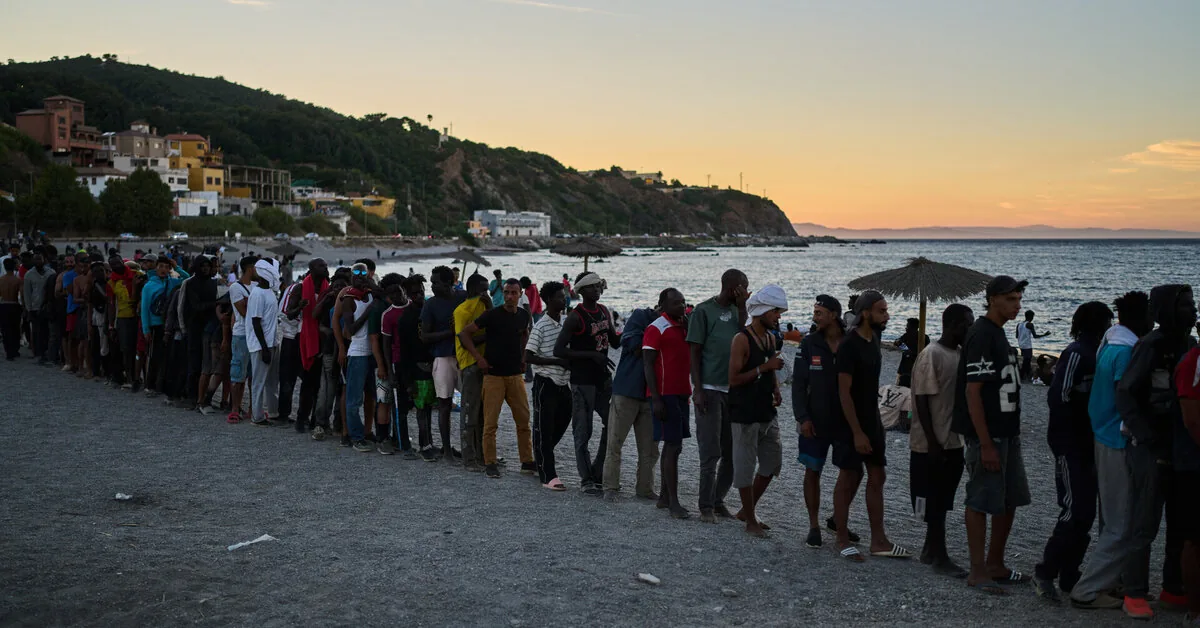
Spain took urgent action to send migrants out of Ceuta and on Tuesday confirmed that of the 72,000 people who surged into this enclave from Morocco last week, 70,000 have already returned to their country.
Seventy-five migrants died trying to reach Ceuta, Spanish officials told the AFP news agency on Tuesday, earlier reporting 72 deaths.
However, seeing images of tens of thousands of people rushing into Ceuta and dozens dying trying to do so, right-wing representatives on both sides of the Atlantic rushed to claim that this is proof that “uncontrolled” immigration is cornering Europe.
Madrid found itself isolated in the EU arena: 22 of the 27 member states supported a joint call for stricter measures against illegal immigration and hinted that part of the problem lies in Spain’s migration policy.
Prime Minister Pedro Sánchez’s government maintains a more open approach to migration than many other EU countries, especially strict position supporters like Italy and Denmark, which proposed suspending Spain’s participation in the Schengen free movement area due to the Ceuta crisis.
Madrid firmly rejected this idea, which is impossible under EU law in any case, and Sánchez wrote a letter over the weekend to EU institution leaders criticizing the “selfish” stance of other member states.
Insufficient “communication”
It seemed that Tuesday’s meeting would witness fierce confrontation, but member state capitals ultimately chose to soften disagreements, and Spain’s Interior Minister Fernando Grande-Marlaska called the meeting atmosphere “completely constructive.”
“All member states without exception confirmed their solidarity with Spain,” said French Minister Laurent Nuñez, whose country distanced itself from the initiative of 22 states, which it viewed as exploiting the crisis for political purposes.
Read more Comparing Russian and Ukrainian attacks on gas stations: is Moscow really not targeting civilians?
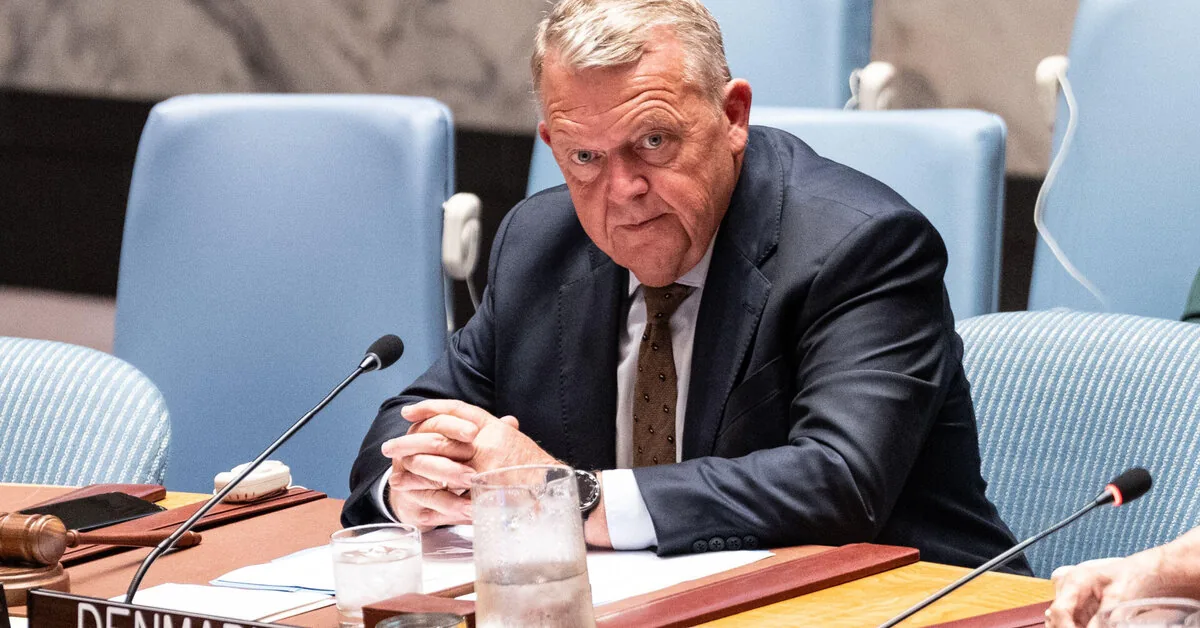
Denmark, belonging to the hardline camp, stated it was “very satisfied” with Madrid’s response to the crisis, although its Minister of Immigration and Integration Morten Bodskov warned that “these events show that it is absolutely necessary for us to control EU borders.”
Italian Prime Minister Giorgia Meloni has openly criticized Madrid’s migration policy, especially the effort to grant legal status to illegal migrants already in the country.
However, her Interior Minister Matteo Piantedosi began his speech by expressing “sincere solidarity” with Madrid, although he then returned to his government’s strict position.
Prompted by various member states, including Italy, the EU has significantly tightened its migration rules in recent months and, among other things, allowed member states to send persons who have not received asylum to so-called return centers located outside the bloc’s borders.
Piantedosi stated that “the time has come” for EU countries to establish return centers based on the Rome and Albania agreement model, according to the transcript of his speech published by his office.
He also proposed that the EU apply trade measures to pressure Morocco, which he accused of “non-cooperation on repatriation issues, although the country has significant advantages in trade relations with Europe.”
The statement released after the meeting said ministers praised Spain for its “quick and effective” response and noted that “no further movement into mainland Spain or other member states was recorded.”
However, ministers also acknowledged that “communication” in such cases could be “more consistent,” quietly admitting that Europe’s reaction this time was insufficient in this regard.