



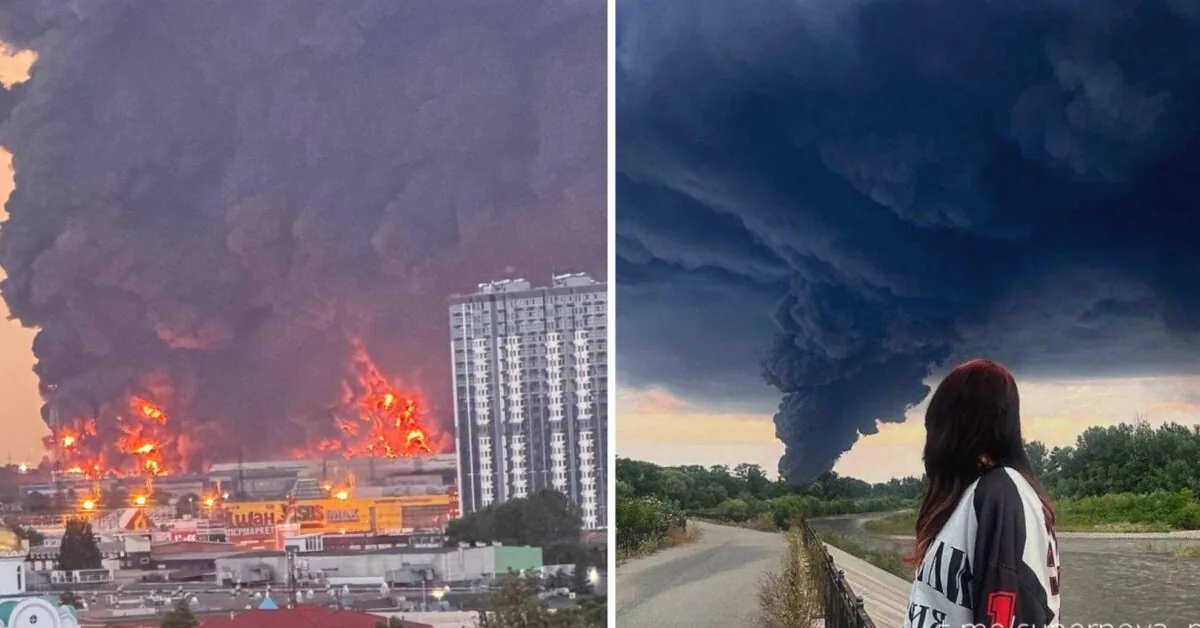
According to him, Ukraine needs even more unconventional warfare methods. The chosen tactic of attacking sensitive objects of the Russian economy in the enemy’s rear has already yielded results and, without a doubt, will continue.
Read more Claim against the Revolut CEO for unpaid commissions on a superyacht
Almost daily we hear about attacks on the largest and most popular online trade, logistics, and warehousing center “Wildberries” facilities, the diplomat reminded.
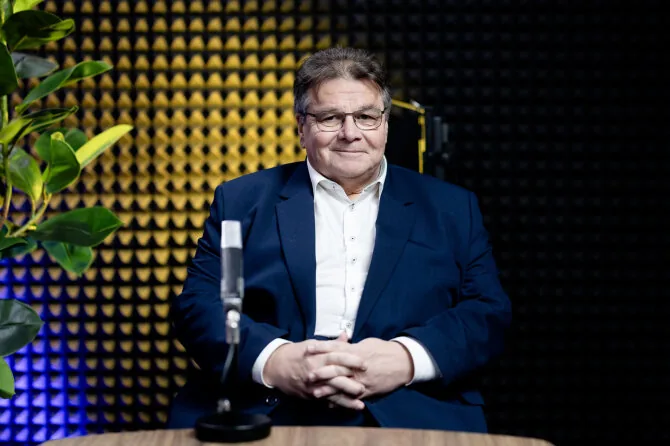
“This is a huge part of the small business ecosystem. It is not just disruption of payments and financial services. It is a political and psychological blow to the authorities. A blow to the core of business security and reliability.
I have no doubt that this path will continue and similar targets will increase alongside Wildberries – for example, against Ozon and Yandex facilities,” said the former Lithuanian Foreign Minister.
Ozon, together with Wildberries, forms the largest part of Russia’s online trade and logistics infrastructure, so “losing them could cause even greater problems and become an even more significant tool of economic pressure.
In turn, the Yandex company could potentially be even more significant and strategically perhaps even more sensitive. These are not physical warehouses but databases. They are mainly used to search for and disseminate information, develop advertising, and other transport and electronic services,” wrote L. Linkevičius.
In this case, disruptions would be somewhat different in nature, but the “nerve-racking” effect would not be less. In his assessment, expanding such a front of attack in the rear would open up many unprotected targets.
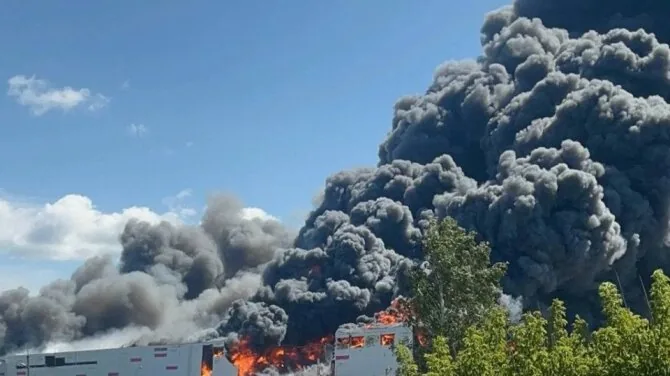
“The Russians physically do not have such a large number of air defense systems. This was clearly demonstrated by the situation in Moscow and Saint Petersburg.
Targeted strikes on Russia’s energy infrastructure, oil, and fuel facilities will definitely continue. They have already helped “ordinary Russians” understand and feel that the war is not only on television,” said the diplomat.
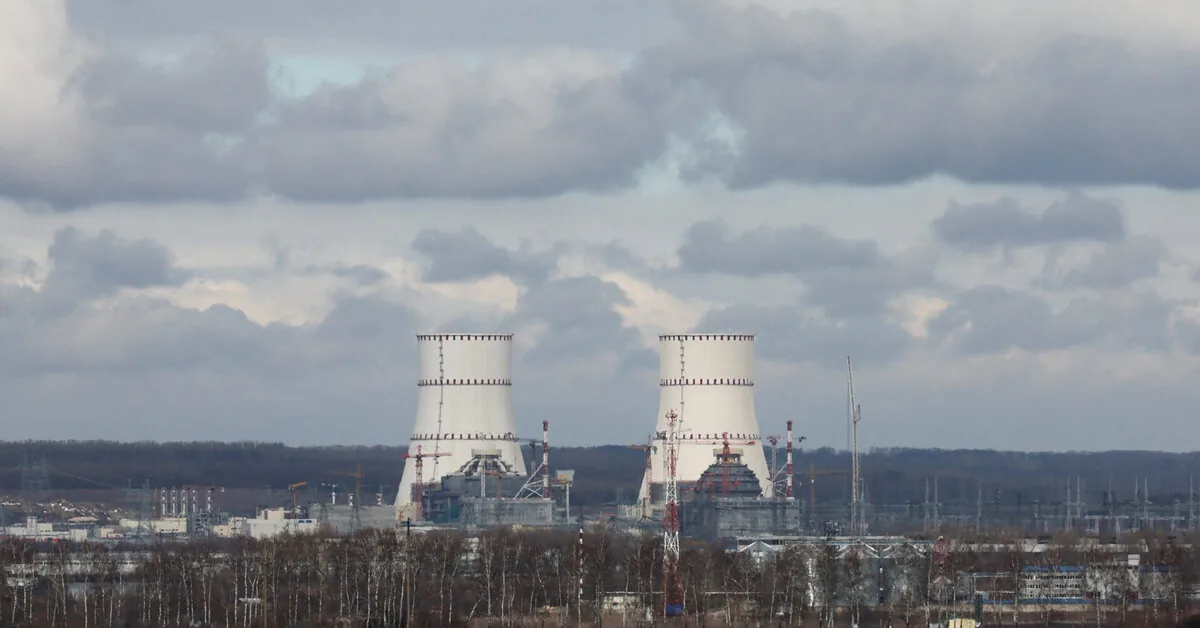
He also noted that the impact of the war has now become essentially even greater than a year ago. Bloomberg news service reported that in July, Russia’s oil refining volumes fell to the lowest level in more than two decades.
“If Russia continues desperately not to change its course into a dead end and continues solemnly marching towards self-destruction, it will be forced to tighten control, censorship, and all other restrictions on freedoms even more. And this is not just the threat of mobilization, which already frightens young men of conscription age,” L. Linkevičius wrote.
The banking situation continues to worsen, he noted. The possibilities for war financing are steadily narrowing if spending rates are not reduced. There is a real danger to people’s deposits in banks. There is a high probability that they will be forcibly converted into “war bonds.”
Read more Pharmacist named 4 most common skin care mistakes: how to avoid them?
“So far, these are only growing rumors. But knowing the Kremlin’s methods, the situation and possible reactions are probed precisely by rumors, and only then follows a concrete action,” he said.
Like many analysts, L. Linkevičius noted that the likelihood of the introduction of martial law is increasing. This decision, he said, after the Duma elections in September, together with the introduction of mobilization, increasingly seems real.
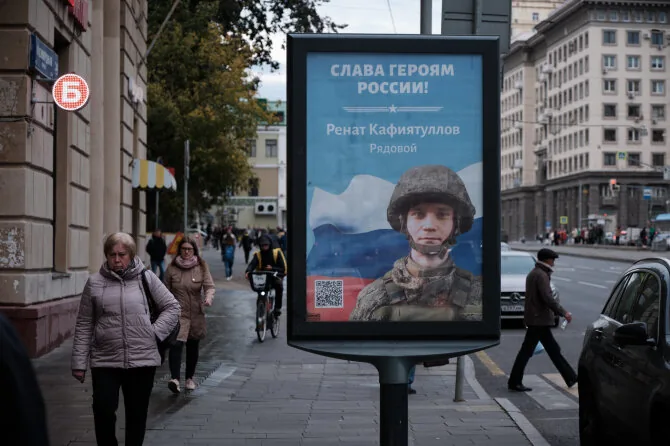
According to the former minister, this primarily shows stubbornness. Russia, or rather the Kremlin, cannot imagine that it can lose, although it is already losing.
“Russia should rather think about how to wrap that failure in a “victory paper” and seek some kind of pause for force restoration,” wrote the ambassador.
According to him, these are also efforts to preserve the regime, which is no longer just Vladimir Putin’s concern.
“This is a question of the fate of the entire KGB system. These are many persons entrenched in various positions and many regions, having deeply rooted themselves in various ways, still having essential financial and political influence,” he emphasized.
Moreover, in L. Linkevičius’s assessment, this also shows desperation when no other way out is seen or known – only further sinking into crisis.
“And this does not necessarily mean a quick collapse. At least for now, it means that no regime-acceptable options are visible. And the choice to continue escalation can only buy time but will not cure the disease,” the diplomat stated.
Ukraine will continue to wear down Russia and methodically bring Russia’s collapse closer, L. Linkevičius concluded. However, as he notes, the wearing down causes huge damage to Ukraine itself.
“But it will endure because it has no other choice if it hopes to remain an independent state and sovereign nation. Russia will continue its desperation for now, but the fundamental difference from Ukraine is that it has another choice. The big question is when and if it will use it at all,” wrote the ambassador.