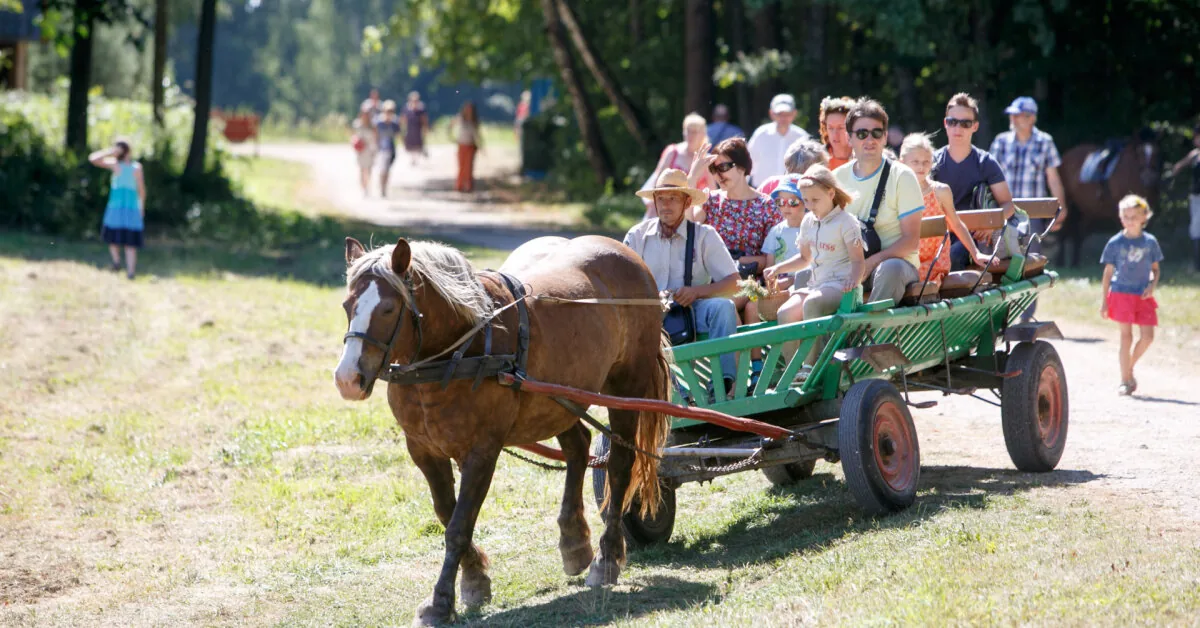
From Christmas Eve and Easter to town fairs, name days, and sometimes even market days: various occasions helped maintain close ties between family members and entire clans, says ethnologist Dr. Rasa Račiūnaitė-Paužuolienė.
Read more Champion evaluated Žalgiris’ newcomer from Nigeria: «A logical and interesting move»
What traditions once united clans, why some of them disappeared during the Soviet era, and what from this heritage would still be worth reclaiming today, the professor of the Department of Cultural Studies at Vytautas Magnus University told the portal 15min.
– Which calendar holidays were the most important specifically for family gatherings? Christmas, Easter, St. John’s Day – or were they all equally considered family holidays?
– Among calendar holidays, probably the most important was Christmas Eve, which united the closest living and deceased members of the family, because during the Christmas Eve dinner prayers were said and all the deceased family members (grandparents, great-grandparents) and other close relatives were remembered.
On the first day of Christmas, after the Holy Shepherds’ Mass, it was customary to celebrate only within one’s own family, while on the second day of Christmas it was already possible to visit relatives and travel to visit each other.
Easter was also an important family holiday, where family members together participated in the celebration of Christ’s Resurrection, and met other relatives only on the second day of the holiday. Especially small children liked to visit their godmother’s house on the second day of Easter, who rewarded her godchildren with decorated Easter eggs.
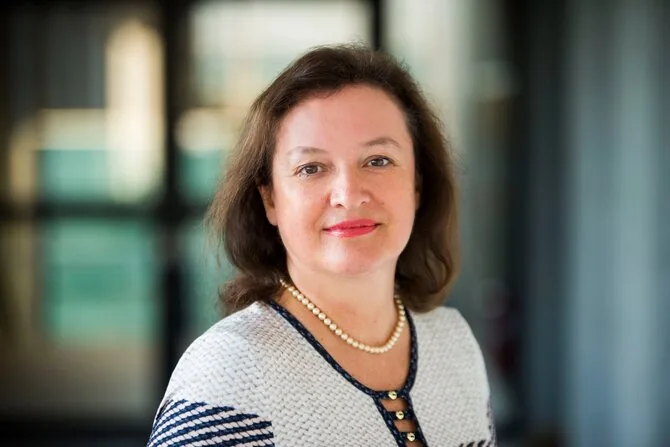
Separate calendar holidays related to saints’ name days can be distinguished. Celebrating name days was especially popular in interwar Lithuania, but in rural areas it did not lose its popularity even during the Soviet era. On name days, it was customary to congratulate the name day person with woven oak wreaths, which were nailed to the door of the name day person’s house.
St. John’s Day I would associate not only with a family or clan holiday but also with the solstice celebration, which involved the youth of the entire village. During the Soviet era, this holiday became especially popular among young people due to the movement of local historians, folklorists, and hikers, as it was forbidden to celebrate it. Despite the prohibitions, the holiday was celebrated secretly on hillforts, near bodies of water, where the old rituals of this holiday were performed – jumping over the bonfires, wreath weaving, setting wreaths afloat on the water, weaving the St. John’s Day broom, lighting bonfires, and jumping over the fires.
– What customs or rituals were intended not only for the celebration but also to strengthen family unity? Were there perhaps common ceremonies, feasts, or traditions that no longer exist today?
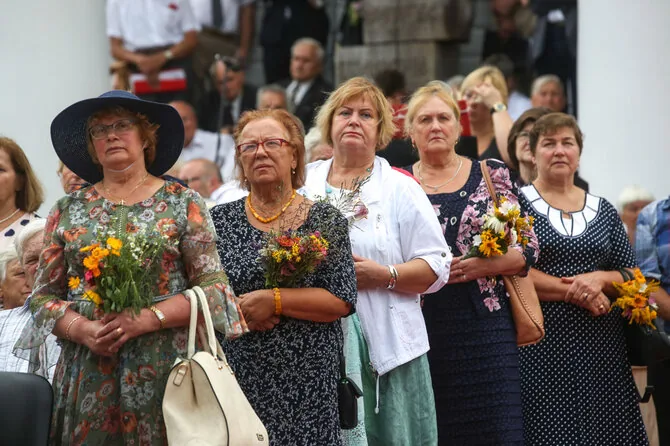
– Funerals, the anniversary of a deceased relative, All Souls’ Day, visiting the graves of deceased relatives during the summer among Lutherans, as well as town fairs where people from the town and surrounding areas gathered and relatives visiting each other, were important for strengthening family unity. Especially in Lithuania, the Assumption Day fairs were popular, celebrated in Krekenava in Aukštaitija and in Pivašiūnai in the ethnographic region of Dzūkija. During Assumption Day, clans would gather and stay longer with relatives.
The residents of the town where the fairs were celebrated prepared in advance: men brewed beer, housewives prepared food – they cut pork, baked fresh bread, yeast cake, cookies, cooked aspic, baked fish, and prepared herring. Women prepared bedding for relatives to sleep on hay. After the fair’s Holy Mass, the graves of deceased relatives were visited, and prayers were said for them at the graves. Later, feasts were held at relatives’ homes. During the fairs, Masses were usually ordered for the living and deceased members of the family, and deceased relatives were remembered. These rituals united relatives, strengthening the bonds between the living and the dead.
– What role did the oldest family member play in such celebrations? Was there a clear family hierarchy?
– Often the oldest family member was the most important unifier of the family and clan. I clearly remember my grandmother’s name day celebrations from childhood, when a large family gathered. My grandmother Ona celebrated her name day every year during St. Anne’s fair on July 26. On that day, her large family, children with their spouses and grandchildren gathered from all over Lithuania, and more distant relatives came from the village. There was an unwritten rule in the family that on July 26 we all gathered to congratulate grandmother on her name day in Uliūnai village in the Panevėžys district, where my father’s homeland was. The whole family was united by feasts at the common table and Lithuanian folk songs that played until dawn. After my grandmother passed away, this tradition disappeared.
– Besides calendar holidays, what family occasions became large clan gatherings? Did weddings, christenings, funerals have a broader meaning than just family celebrations?
– Life cycle celebrations – weddings, christenings, funerals – were related not only to the specific family and clan but also to the entire community. The baptism of a baby gave a new status – he or she became a member of the Christian community. Weddings were a celebration of two families and clans, marking the change in the status of the newlyweds, but friends and neighbors of the newlyweds also gathered, so it involved a wider community. Funerals were another important stage in a person’s life, related to the change of status, transitioning from the world of the living to the world of the dead. On this occasion, not only the closest family members and relatives of the deceased gathered but also colleagues, neighbors, and friends.
In traditional Lithuanian villages, funerals were the most unifying part of the village community’s life cycle. Members of the village community actively participated in cooperation: some helped the seriously ill person prepare for departure – inviting a priest for the Last Rites, neighbors came to wash, dress, and mourn the deceased, according to tradition sang funeral songs, helped prepare dishes for the funeral, men neighbors made the coffin, dug the grave, and lowered the coffin into the grave. The village or town priest buried the deceased. The entire village community saw off the deceased with prayers and hymns according to established tradition. Thus, the entire village’s unity and cooperation created a common celebration that strengthened the family members of the deceased and helped the soul of the deceased to more easily depart to the afterlife.
– Was there a tradition of regularly visiting relatives even if there was no specific holiday? How were kinship ties maintained?
– The tradition of visiting relatives existed. It was especially strong during major calendar holidays – Christmas, Easter, All Souls’ Day, as well as during town or church village fairs, which were popular in that region. Relatives were often visited on Sundays after Mass, when residents from more distant surroundings came by carts or on foot to parish Masses. Also on town market days, when more distant relatives came to the market, visited relatives living in the town, and left their horses with carts at the homestead while shopping at the market.
– When and why did these traditions begin to change? What mostly caused relatives to meet less often or differently today?
– The post-war period and the Soviet era had a great impact on the change of traditions, which divided Lithuanian society, sowed fear among neighbors and even relatives. Even the most intimate family holiday, Christmas Eve, was celebrated secretly behind closed curtains during the Soviet era so that neighbors would not see and report to the Soviet authorities.
Today, the fast pace of life, mobility, priority of individual values, and polarization of society, including relatives, have their consequences regarding family gatherings.
On the other hand, in our society, very good examples can be seen encouraging interest in one’s family, clan, and local history. Some clans annually organize family reunions during Assumption Day or at other times, are interested in genealogical family trees, organize family photo sessions, or even travel together around Lithuania or abroad.
– Are there old traditions that, in your opinion, would be worth reviving today? Why could they be relevant to modern families?
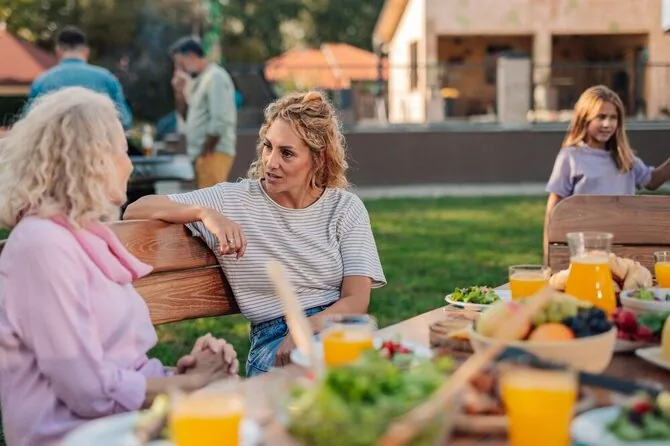
– I think it is important to maintain the old traditions of family gatherings during major calendar holidays and fairs, family and clan anniversaries. It is wonderful when relatives come together, remember their family and clan histories, discuss emerging family issues, and rejoice in the achievements of their children and grandchildren. It is important to keep the memory alive by remembering deceased relatives and visiting their graves. In this way, traditions are passed on to the younger generation through the nurturing of family and clan stories and memory, continuity of traditions, and creation of new traditions.
Today, new traditions are being created and old ones revived. For example, in the Anykščiai district, Traupis parish, there was a beautiful tradition of remembering grandmothers during St. Anne’s fair. In Traupis parish stands a statue of St. Anne, where grandchildren came with their grandmothers. There was an old tradition for grandchildren to tell stories about their grandmothers, appreciate their kindness, and honor them. Similar traditions can be created today because traditions are not static but constantly changing, acquiring new forms, which also depend on our creativity.