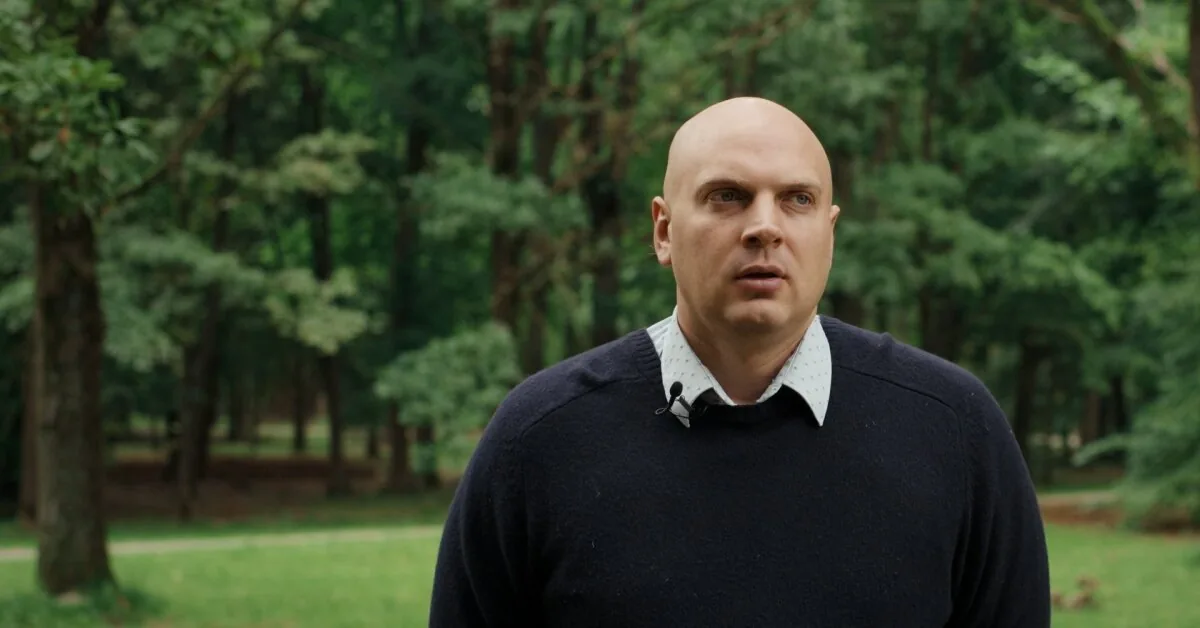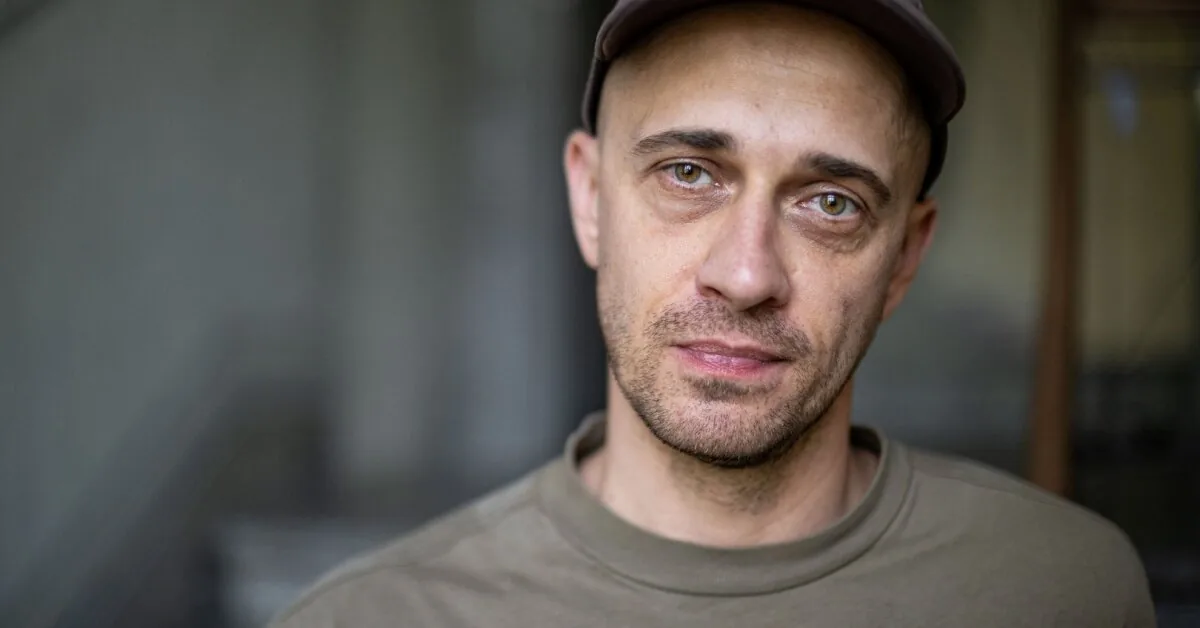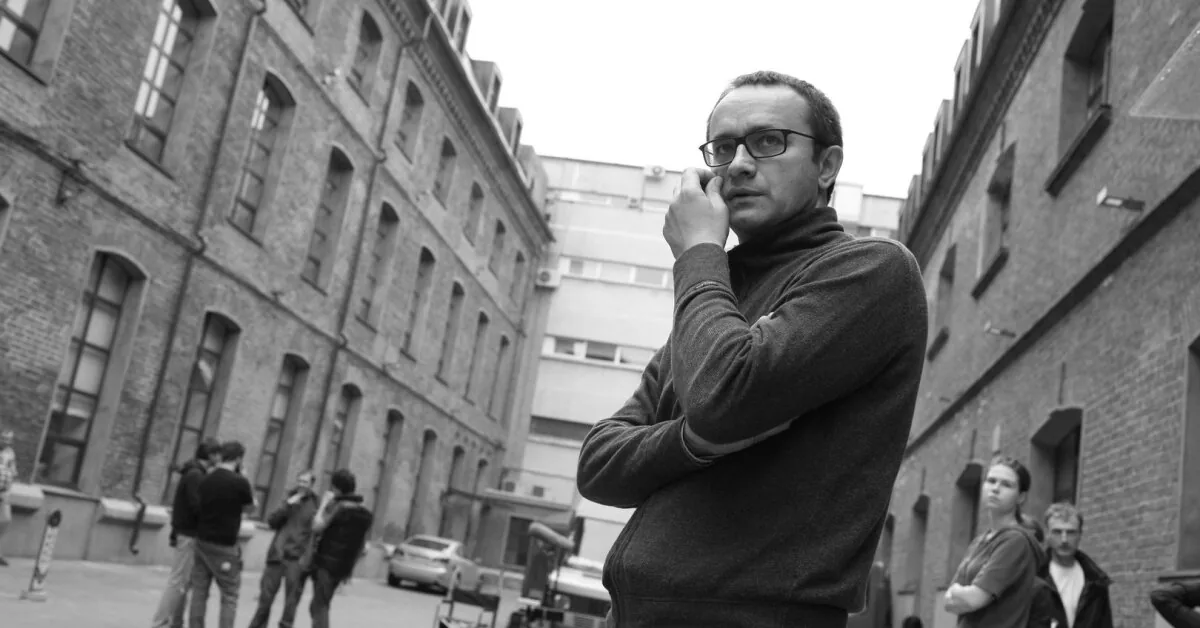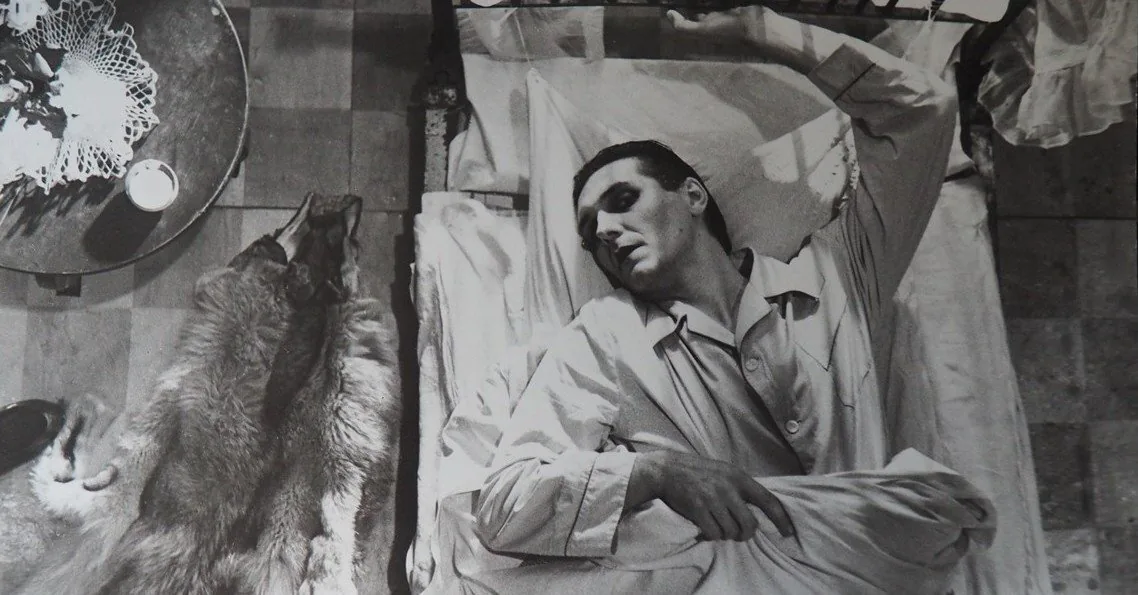
„The Lithuanian Theatre, Music and Cinema Museum houses a very rich and comprehensive collection of Lithuanian cinema history artifacts. We are proud of the film posters, which were truly artistic, like separate works of art. Film frames allow a closer examination of the actors’ work and the aesthetic decisions of the film crew. Shots of the work process provide additional “behind-the-scenes” information,“ notes Nideta Jarockienė, director of the Lithuanian Theatre, Music and Cinema Museum.
Read more Without price and location: what housing features are most important to Lithuanians?
The history of Lithuanian cinema is rich and solid, so Vidmantas Kazlauskas, an employee, educator, and former sound director at the Lithuanian Theatre, Music and Cinema Museum, selected five summery and “milestone” films whose artifacts and documentation are preserved in the museum. The journey through the films will be accompanied by insights from theatre and film critic Laura Šimkutė.
L. Šimkutė notes: „If I had to generally describe all these Lithuanian films where summer is felt, I would describe them precisely with the word breeze. Stirring. Fluttering. In all of them, in one way or another, there is a sense of the need for freedom and a kind of rebellion – either visual, carried out by the directors themselves against the rules and system prevailing during the creation, or by the characters themselves, who are young, who want to experience, want to live, and for whom that summer is like a transitional stage after which another life opens up.“
„Summer in these films is not just a season, but perhaps even more a state, an atmosphere in which transformations occur, life and feelings boil,“ aptly states the theatre and film critic.
„The Last Day of Vacation“: acting as a game
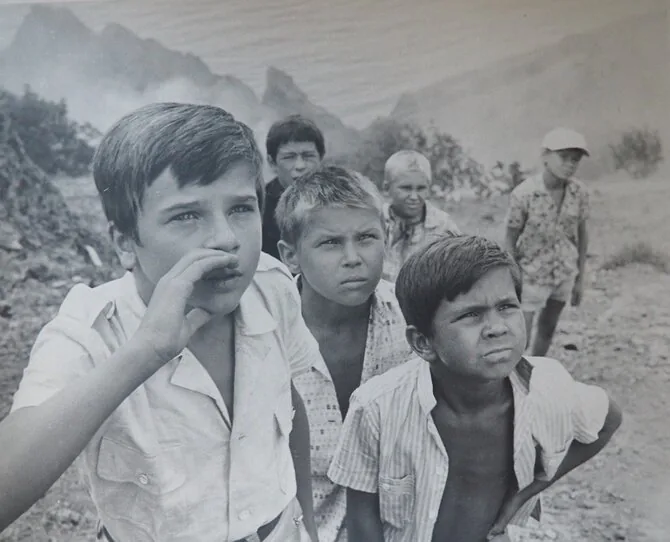
„The Last Day of Vacation“ is a 1964 classic of Lithuanian cinema, directed by the legendary filmmaker Arūnas Žebriūnas. It is a poetic, visually distinctive, and profound film about childhood, spiritual purity, and the first encounter with betrayal.
The film is based on Yuri Nagibin’s novella „Echo“. A girl named Vika, who has the ability to talk to the mountain echo, is vacationing on the mountainous seashore in Crimea. She meets a local boy, Romas, and reveals to him her greatest secret – a unique collection of echoes. However, when a group of hooligan local kids arrives at the seaside, Romas must choose whether to remain loyal to his new friend.
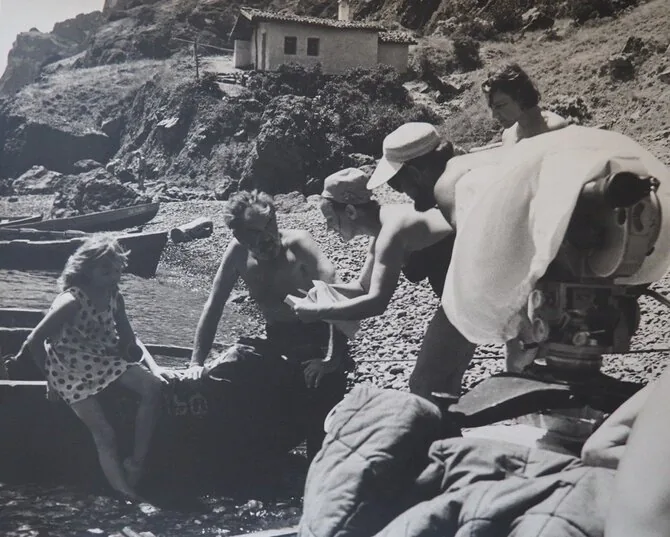
Director A. Žebriūnas rejected traditional storytelling. The film is filled with metaphors, images of the sea, wind, and rocks. Jonas Gricius’s cinematography creates a picture of a hostile yet magical nature. Lina Braknytė, who played the main character, was cast completely by chance – the director’s assistants simply noticed her, a petite girl with big eyes, on the street. The role of Romas was given to a young Russian actor, Valerijus Zubarevas. Interestingly, A. Žebriūnas did not require professional acting from the children. He let them just be themselves and provoked natural emotions.
One of the rare adult roles in the film was played by Bronius Babkauskas – a legendary actor of the Panevėžys Drama Theatre. In the film, he embodies a strict but loving father. Vika’s grandfather was played by Estonian actor Kalju Karm. The actors spoke their lines in their native languages, and later, in the editing studio in Vilnius, the film was professionally dubbed in Lithuanian.
According to Laura Šimkutė, in Arūnas Žebriūnas’s film „The Last Day of Vacation“, nature itself „becomes a separate character, like an echo responding to the emotional worlds of the children Vika and Romas who met on the seashore (though to be fair, more to Vika)“. „The film’s theme (about vacations and about those emerging bonds between children, when it seems enough just to go somewhere and effortlessly make friends) is so nostalgic and reminiscent of summer days in childhood, when you could just be here and now. And Žebriūnas conveyed that atmosphere, that world full of wind, emotions, and waves very sensitively and carefully,“ notes L. Šimkutė.
After the film’s release, a wave of public and press outrage arose – due to a scene where Lina Braknytė, playing Vika, bathes naked, the director was accused of immorality. The then Lithuanian cinema leadership also disliked the original film title „The Girl and the Echo“, so it was changed to „The Last Day of Vacation“. Soon the film was removed from cinema repertoires and banned from screening. International recognition changed its fate – in 1965, at the Locarno International Film Festival, the film won the special „Silver Sail“ prize, and in 1966, at the Cannes International Festival for Youth Films, it was awarded the main prize. After these accolades, the film returned to cinemas and began to be shown more widely in the Soviet Union.
That is why this film was included in the Lithuanian Theatre, Music and Cinema Museum exhibition „Observed: Censorship in Lithuanian Art in the 20th–21st Centuries“, held last year.
„A Small Confession“: the beginning of Kernagis’s creative path
„A Small Confession“ is a 1971 Lithuanian feature film, one of the most important Lithuanian cinematic works about rebellious youth. Directed by Algirdas Araminas and based on Vytautas Bubnys’s novella „Arberonas“, it excellently conveys the spiritual searches, desire for freedom, and conflict with the Soviet system of teenagers at the end of the 1970s and the beginning of the 1980s.
In the Lithuanian port city, eighteen-year-old high school graduate Arūnas (actor Andrius Karka) suffocates from school formalities and hypocrisy. The hero also suffers because his mother left the family. The film’s core is his friendship with the charismatic Benas (actor Vytautas Kernagis), who embodies a free, unrestrained hippie spirit.
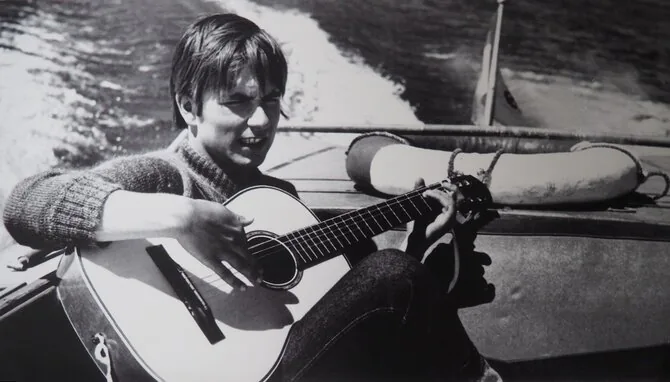
This film marks the beginning of maestro Vytautas Kernagis’s creative path. His phrase „Benai, plaukiam į Nidą!“ („Ben, let’s sail to Nida!“) became an immortal quote. The film features songs performed by V. Kernagis himself. He got the role of Benas quite unexpectedly. Director Algirdas Araminas was looking for a young man with a guitar and saw V. Kernagis playing in a café. His charisma so impressed the director that the role, initially planned as episodic, grew.
The class teacher, called „Giraffe“ by the teenagers, was played by another Lithuanian star, Vaiva Mainelytė. The main character was played by Andrius Karka, and his father by Gediminas Karka. Both in the film and in real life, they were father and son.
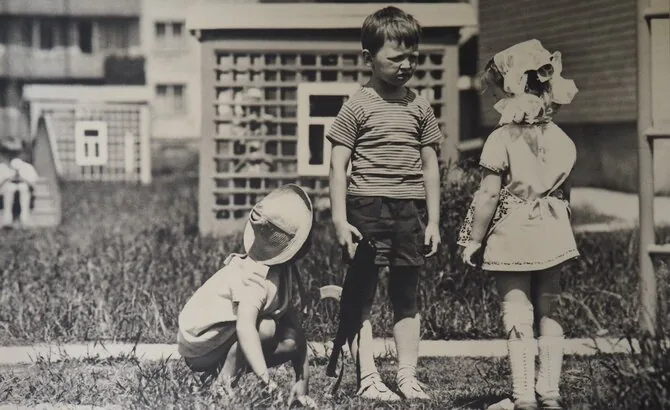
L. Šimkutė notes that in this adolescent world there is much uncertainty, misunderstanding, and pain: „The main hero Arūnas is an eighteen-year-old trying to navigate life between school routine and his parents’ divorce and the attention-grabbing charming blonde. Araminas seems to very precisely try to convey that loneliness, discomfort that torments Arūnas and thus allow the viewer to return to themselves through the recognition of experiences.“
Summer, the theatre and film critic notes, is most revealed here through „impressive views of Klaipėda – the rolling sea, beaches with a few vacationers and Benas working as a lifeguard here, the pier, boats. Such iconic images of Lithuanian vacations through which one seems to feel the roar of the Baltic Sea.“ „Memorable is also the conversation between Arūnas and Benas sitting among the boats (also so Klaipėda-like) – about the desire for freedom, about music, about desires, all while strumming guitar chords and singing to Kernagis,“ shares L. Šimkutė.
The director managed to get jeans, guitars, long hair, and hippie aesthetics through Soviet censorship, which was very bold for that time.
„My Little Wife“: the return of urban themes
„My Little Wife“ (1984) is the debut feature film of director Raimundas Banionis, which became a true classic of Lithuanian cinema. This film brought back the themes of urban youth to Soviet cinema, boldly and openly talking about the feelings of the younger generation and the first challenges of adult life.
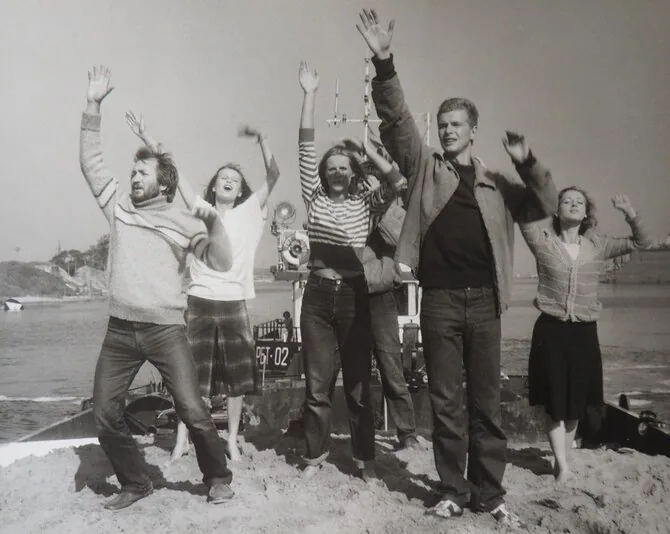
Four young people meet in a café in Kaunas: school friends Rūta and Auksė and students Linas and Tomas. Romantic feelings quickly develop between Linas and Rūta. To hide her painful reality – poverty at home – Rūta invents a false story that she is the daughter of an influential professor. This lie entangles the young people in a complex puzzle of relationships.
„Raimundas Banionis in the film „My Little Wife“ seems to reveal a summery urban picture full of action. Here again we observe young people. Banionis tells a story of the transition to the adult world, which includes not only fun but also responsibility – for one’s actions and life,“ comments L. Šimkutė.
The film rejected the rural themes dominant in Lithuanian cinema at the time and opened the door to modern urban culture. The film became a springboard for the most famous Lithuanian actors. It featured prominent roles by Saulius Balandis (Linas), Arūnas Sakalauskas (Staselis), and Ingeborga Dapkūnaitė (Auksė), who later gained international recognition. Eleonora Koriznaitė won the best female role award at the Tbilisi International Festival of Young Cinematographers for her role as Rūta.
The director managed to capture the true spirit of the 1980s youth, their fashion, manner of speaking, and lifestyle. The music composed by Faustas Latėnas gives the film a special emotional depth and melancholic mood.
„There are two very summery episodes here – the wedding (after all, summer is the season for it), with the whole ‘party’ as it should be – toasts, dances, raising glasses, and conversations, and the boat ride on the Nemunas River and the dance – like a farewell to youth and carefreeness, but so pleasant to the heart. Both the music during the boat ride and the choreography exude freedom and enjoyment of the here and now,“ summarizes Laura Šimkutė.
This film is a sensitive, visually aesthetic, and still relevant story about the rules of the adult world that idealistic youth face.
„Something Happened“: rock classic and moods of change
„Something Happened“ (1986) is a musical film by director Artūras Pozniakovas, one of the most important cultural phenomena of the Lithuanian Awakening’s dawn and a Lithuanian rock classic. This work captured the moods of change in the late Soviet society.
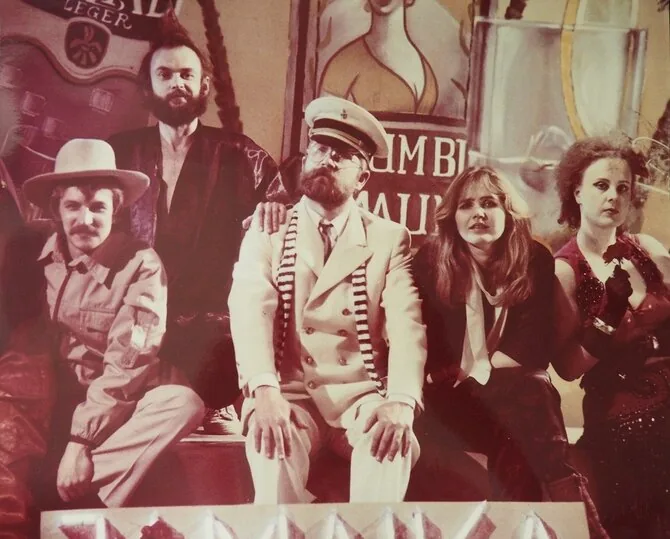
The film consists of a collection of ten musical video clips, combined into three conceptual parts. The „Games“ section is dominated by bard Vytautas Kernagis’s theatrical playful style and retro shades. The central axis of the „Celebration“ part is a concert in Vilnius’s Kalnai Park, featuring the young, rapidly popularizing band „Foje“ led by Andrius Mamontovas. The final „Dreams“ are given to the band „Antis“ and the surreal style of Algirdas Kaušpėdas.
This was one of the first successful attempts to bring Lithuanian rock music to the cinema screen. Since rock was restricted on television and radio at the time, and the film permission was unexpectedly obtained from Moscow, the filming became a historic event.
The news about the upcoming filming in Kalnai Park was spread through unofficial youth gathering places in Vilnius, spreading „by word of mouth“. A crowd of thousands unexpectedly gathered at the concert. The songs in the film eventually became part of the Lithuanian music golden fund. Vytautas Kernagis and „Antis“ already had a name, and for the band „Foje“ this film opened the way to mass popularity. The main face of the band – nineteen-year-old Andrius Mamontovas – came onto the Kalnai Park stage under the spotlights directly from the Soviet army in the Kaliningrad region, from which he was released only briefly, specially to film this episode.
According to L. Šimkutė, the film „is already summery by its sound alone. The works of Vytautas Kernagis, „Foje“, and „Antis“ are recognizable to many (and probably listened to by many while sitting with friends around a campfire).“ The critic notes that the concert scenes from Kalnai Park again transport to one of the iconic summer music scenes, and the film-concert’s unpretentious, free, and lightly jazzy form allows one to simply enjoy the songs and imagine being at the concert. „It seems that the concert shots were deliberately filmed dynamically and quite chaotically so that the viewer could feel like being part of the large crowd gathering for these legendary performers’ concerts,“ she notes.
The film was completed in the fall of 1986 – at the very beginning of „Perestroika“ (Reconstruction). The changing political climate allowed the film to reach the screens, and the democratic, freedom-idea conveying work soon became a significant cultural phenomenon.
„Children from the ‘America’ Hotel“: jeans, long hair, and disobedience
„Children from the ‘America’ Hotel“ is a cult Lithuanian film from the 1990s, created as Lithuania regained independence. The film’s director Raimundas Banionis and screenwriter Maciej Drygas sensitively revealed the 1972 generation of Kaunas teenagers, whose love for rock music and Western fashion was perceived as rebellion against the Soviet system. This cinematic story about the desire for freedom received international recognition – in 1991 it was officially selected and screened in the prestigious Berlin Film Festival’s „Panorama“ program.
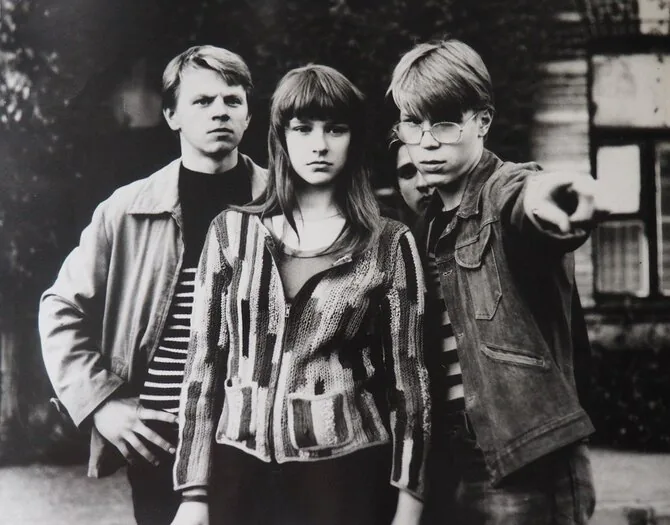
The film’s action takes place in Kaunas – a dramatic time when Romas Kalanta self-immolates for freedom, sparking mass youth protests. A group of teenagers and schoolchildren admire Western rock culture, the hippie movement, and ideas of freedom. Their activities attract the attention of the KGB and police. Surveillance, searches, and a brutal machine for breaking the spirit of a young person begin. The events reach their peak when the youths travel to a Lithuanian Woodstock festival held on the Lithuanian seaside.
The film features young, then just beginning actors and Lithuanian cinema greats: Gabija Jaraminaitė played Rina – a charming girl loved by a rebellious youth nicknamed Jagger. The whole youth group adored „The Rolling Stones“ and its leader Mick Jagger. His role is played by Augustas Šavelis. Rolandas Kazlas played a young man called Driver, which was one of his first prominent film roles. Inga, called Fernandėlis, was played by Jurga Kaščiukaitė. Arūnas Sakalauskas played an episodic role of a KGB agent.
According to L. Šimkutė, „Banionis in the film „Children from the ‘America’ Hotel“ seems to combine the films discussed so far – here act rebellious teenagers against the system, music becomes an important theme, and the whole work breathes the desire for freedom and independence.“ Here are the Kaunas events with Romas Kalanta, the trip to the Lithuanian hippie festival, the confrontation with the police, and the ever-playing Luxembourg radio, strumming guitars, and the desire to play like „The Rolling Stones“. „Such a true teenage rebellion. When you are somewhere in Lithuanian forests drawing flowers, peace symbols on car windows, carrying firewood, setting up a tent, playing guitar, and dancing among like-minded people with long hair dressed in ‘leathers’,“ lists L. Šimkutė.
This was one of the first Lithuanian films to openly show the Soviet alternative youth, jeans culture, long hair, and disobedience to the system. The film’s success was also boosted by the music of composer Faustas Latėnas and rock songs performed by the band „Katedra“. The director managed to vividly capture the mood of 1980s Kaunas, youthful maximalism, and the daily tension of being watched by security.
Read more „Mercedes-Benz“ had to write off more than 700 million euros due to difficulties in China