His beloved led him to sorting
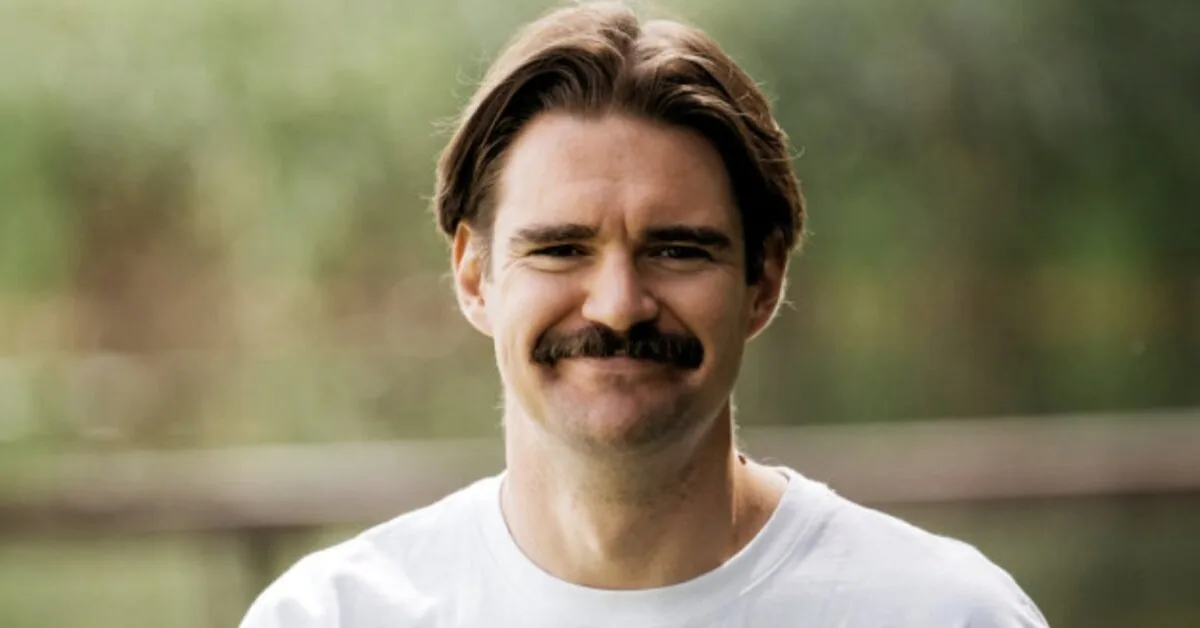
Although sorting has now become a part of everyday life, Paulius admits that not so long ago, everything was different. “I started sorting waste quite recently, and for that, I should thank my significant other, Augustė. She has been doing it for a long time and very responsibly,” he says.
Read more Gediminas Šimkus reiterates: ECB is likely to raise interest rates in September
Paulius says he perfectly understands why waste sorting is important: “In my own understanding – and correct me if I’m wrong – waste sorting facilitates waste recycling processes, helps reduce overall pollution, and contributes to the conservation of natural resources, so it would be difficult to deny that this is a very important practice.”
At his home today, there are separate bins for deposits, plastic and metal packaging, paper and cardboard, as well as mixed household waste.
The habit is still forming
Nevertheless, Paulius openly admits that sorting has not yet become an automatic action for him. Sometimes he has to rack his brain to figure out which container a particular waste item should go into. Because of this, he even had the idea of marking the bins at home with text labels or stickers.
“It’s probably safe to say that I haven’t developed a sustainable habit yet. I would rate myself as a poor sorter, but that doesn’t mean I’m not trying,” admits the content creator.
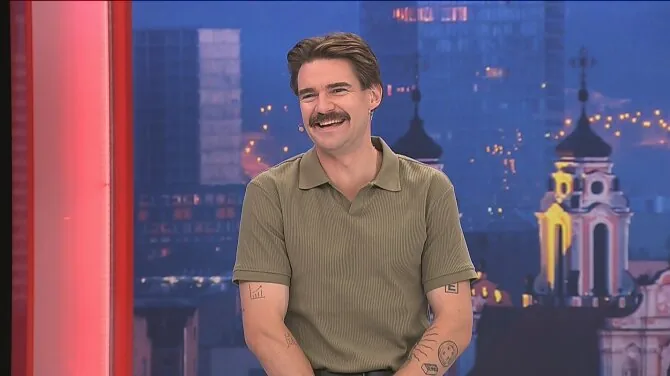
If there are doubts about more complex waste, such as a toothbrush or a disposable coffee cup, he doesn’t rush to throw them just anywhere.
“If I don’t know where more complex waste goes, I just ask Augustė. What I want to emphasize, or perhaps even slightly justify – not knowing, I don’t allow myself to dispose of waste into just any bin,” Paulius smiles.
Reusable bag has already become a daily routine
Paul de Miko does not hide that he is still learning about waste sorting, but some more sustainable solutions have long become common in his life.
He always goes to the supermarket with a reusable cloth bag, no longer puts fruits and vegetables into disposable plastic bags, drinks water from a water bottle, and sometimes, as he says himself, even grabs reusable thermoses for gas station coffee to avoid their disposable cups.
Such a phenomenon as simply discarding trash anywhere practically no longer exists in Lithuania.
Read more Jürgen Klopp, returning to coaching, gave an emotional promise
According to the interviewee, over the past decade, not only his own attitude but also that of many Lithuanians towards consumption and more sustainable daily habits has changed.
“I believe that over the past ten years, the attitude of all Lithuanians towards consumption has changed, and I dare say, for the better. After all, such a phenomenon as simply discarding trash anywhere practically no longer exists in Lithuania,” notes P.Mikolaitis.
He adds that this becomes especially evident when traveling: “Even if you go to Southwest Europe, you will still definitely stumble upon streets littered with waste.”
The most important thing is not to be afraid to make mistakes
Paulius is convinced that the fear of making mistakes should not become a reason not to sort at all. In his opinion, it is much more important to just start and gradually develop this habit.
“If you occasionally throw a piece of trash in the wrong place, perhaps nothing catastrophic will happen. But the essence is that sorting waste is very simple, and it is very beneficial for our environment and nature. So why not develop this excellent habit?” Paulius asks rhetorically.
Representatives of “Gamtos ateitis” remind that when sorting, the most important thing is to separate packaging from items. Packaging containers are specifically for packaging, not for all plastic, metal, or paper items. Therefore, for example, a plastic toy, a toothbrush, or another household item, even if made of plastic, should go into the mixed municipal waste container. Packaging is subject to chemical composition control and other rules important for recycling, which is why it can be properly processed and recycled.
“Sorting Champions” – a national initiative by the organization “Gamtos ateitis” and media group 15min, documenting the sustainability changes already taking place in the country’s municipalities.
The initiative invites to choose more responsibly, use longer, and sort properly. Every municipality, every resident can become a sorting champion – all it takes are the right habits.
Before discarding waste, let’s pause for a moment and think: is it packaging, what is it made of, and where does it belong? Such daily decisions help recycle more waste, conserve natural resources, and create a more sustainable future.
Read more What to do to find your houseplants alive and lush when you return from vacation?
Let’s become sorting champions!