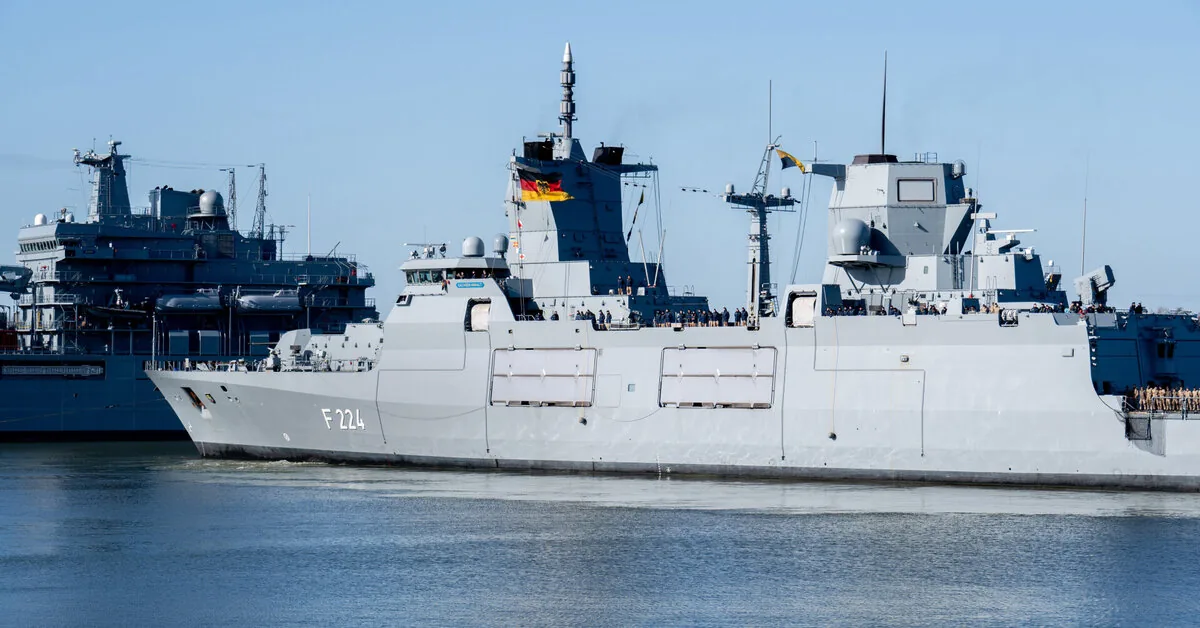
A ministry spokesman confirmed to AFP that the mine trawler “Fulda” and the supply ship “Mosel” are currently in Djibouti.
Read more “Big problems” in the Russian banking system: residents are massively withdrawing cash
They were sent to the region last month in preparation for a possible mission in the Strait of Hormuz after the end of the US-Iran war.
However, the ministry mentioned in its statement “the unstable political situation (…) and the fact that no operations are planned to begin in the near future” in the Strait of Hormuz.
The indefinite deployment of ships in the region “puts a strain on their technical systems,” the statement said.
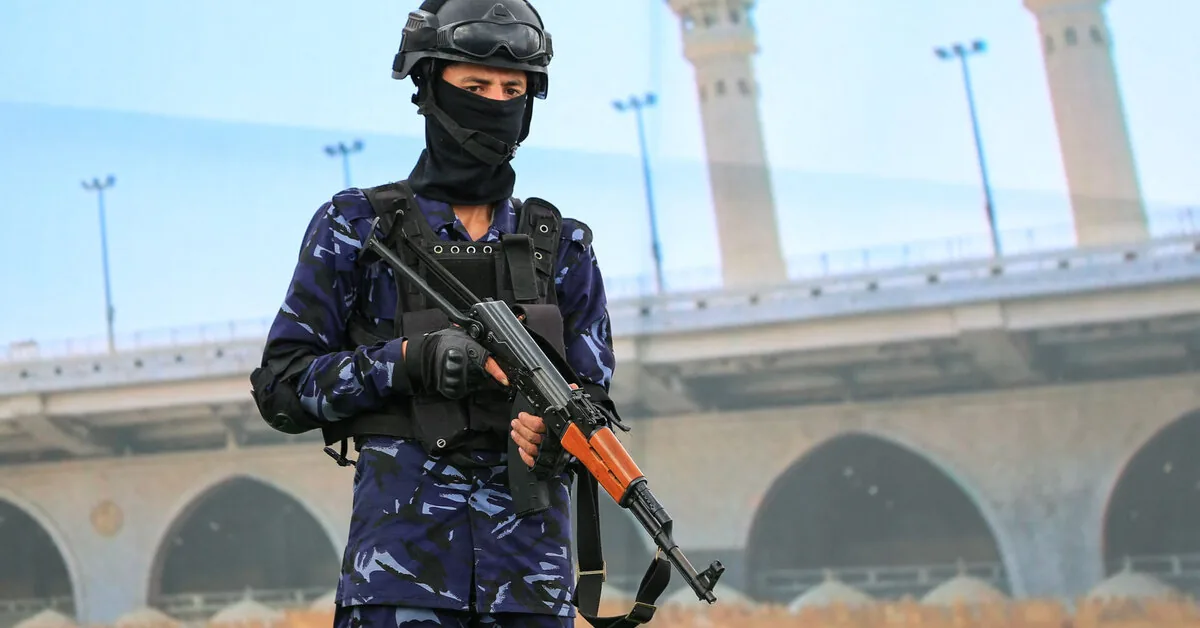
The conflict between Iran and the United States has escalated in recent days, with Iranian-backed Houthis attacking a Saudi ship in the Red Sea on Thursday.
The German Ministry of Defense stated that both ships would be “kept ready for deployment” and would return to the Middle East “as soon as there are reliable indications that a mission is about to begin”.
Germany “very concerned” about the risk of escalation of the conflict in the Middle East
Meanwhile, the German Defense Minister stated on Thursday that Berlin is “very concerned” that attacks by Yemeni Houthi fighters on oil tankers in the Red Sea pose a risk of escalation of the conflict in the region.
“The situation in the Middle East is clearly heading in the wrong direction,” said Defense Minister Boris Pistorius.
Read more US warns that fines imposed on Google pose a “real risk” to trade relations with the EU
“Currently, nothing – absolutely nothing – suggests that a ceasefire, let alone peace, could be achieved in the region,” he added.
Iranian-backed Houthis announced a blockade of Saudi ports earlier this week, and reports of new attacks on tankers on Thursday fueled a rise in oil prices.
The European Union’s (EU) diplomacy chief condemned these attacks on Thursday, and European Central Bank (ECB) head Christine Lagarde called the latest developments “alarming” and warned of further economic consequences of the conflict.
B. Pistorius stated that this situation has “severe consequences” for all countries dependent on energy supplies from the region.
Meanwhile, United Nations (UN) Secretary-General Antonio Guterres warned on Thursday that the ongoing conflict in the Middle East has pushed the region to the “brink of the unimaginable”.
“The situation is becoming uncontrollable. It is balancing on the brink of the unimaginable. The region is being drawn into an ever-widening circle of confrontation. One crisis fuels another. One escalation provokes another,” Guterres said at a Security Council meeting.
“As this dynamic spreads, political objectives are increasingly overshadowed by the confrontation itself,” he warned.
Read more Greta Skaraitienė: about three decades of creativity, the pager era, and a discovered calling