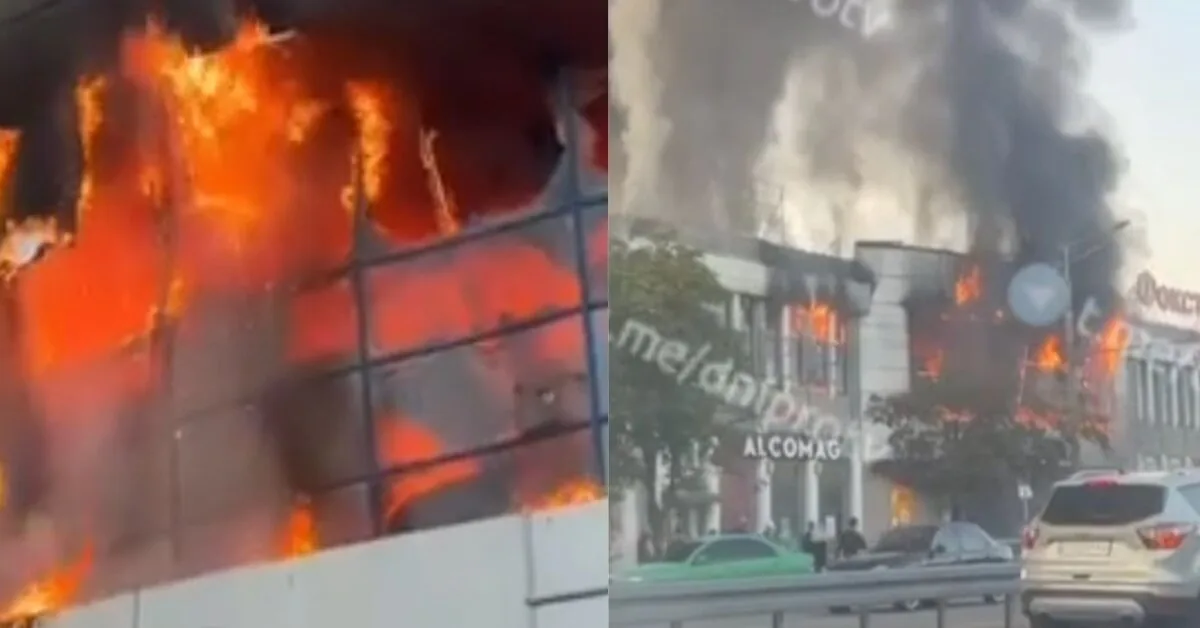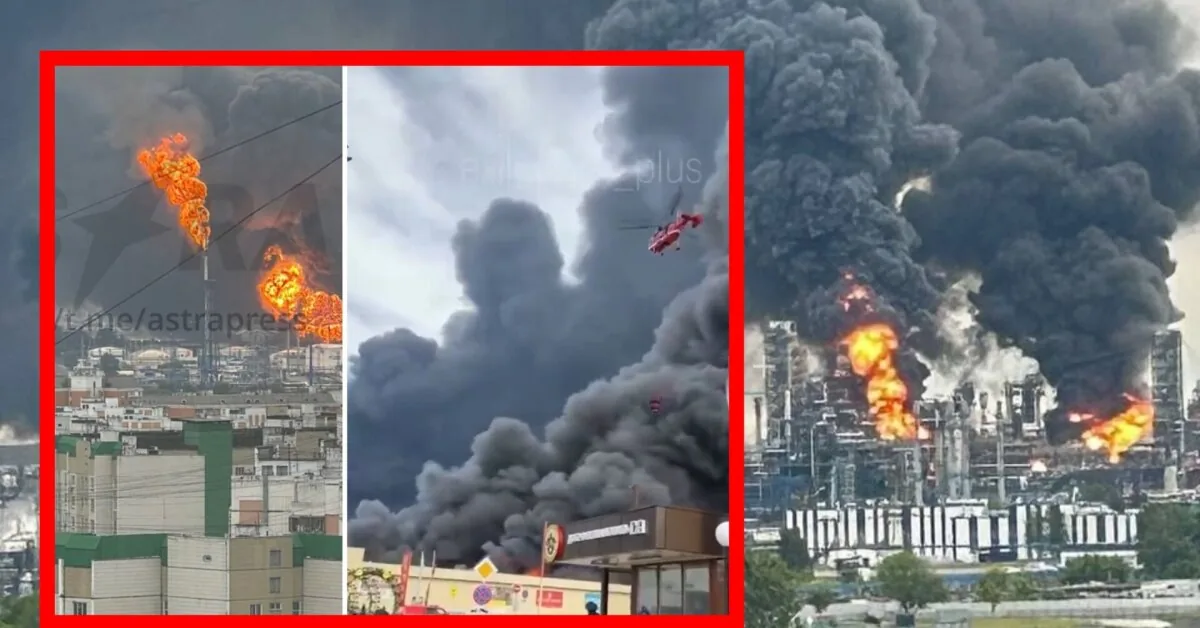
The current decline in oil product production is the largest since at least 2006, according to Rosstat data cited by The Moscow Times. In April, coke and oil product production was 9.2% lower than last year, and in May – 13.5% lower.
Read more Vidmantas Janulevičius: from the prime minister we heard a promise – «let’s earn, then divide»
Gas price surge at petrol stations
The drop in production led to fuel shortages at petrol stations and a surge in its prices. In the last week (July 14–20), petrol prices rose by 1.7%, and diesel by 1.9%, Rosstat reported. Since the beginning of the year, the prices of these fuels have increased by 18.3% and 20.2% respectively.
Due to the shortage, Russia was forced to switch to importing petrol and diesel and apply tax breaks to this imported fuel. Russian Deputy Prime Minister Alexander Novak speaks of “partial stabilization of the fuel market,” but even the military has already begun to limit the supply of fuel to military equipment.
Diesel production fell by almost 40%
At the end of March, Ukrainian drone strikes against Russian oil infrastructure intensified, halting up to 40% of diesel production capacity. Sergey Aleksashenko, chief expert at the analytical center NEST, estimated the lost oil refining capacity based on data on sales of oil products by Russian refineries on the exchange (until July, they were obliged to sell 15% of their production on the exchange, now this figure is 10%).
In June, sales amounted to 50–70% of last year’s level, so we can talk about a loss of approximately 35% of capacity. For example, the Ryazan oil refinery, which has suffered 15 attacks, has not participated in exchange auctions since mid-May, and the Moscow plant sells approximately twice less than a year ago.
How many plants were attacked by Ukrainians
In July, Ukrainian drone attacks continued, affecting, among others, the country’s largest Omsk oil refinery. Only about half of the refining capacity damaged in recent months has been restored.
Read more «Horrific game of hide-and-seek»: Reuters revealed what is happening in the ‘killing zone’
According to Kpler’s assessment, in mid-July, processing volumes at Russian oil refineries fell to a 21-year minimum. According to the company’s calculations, a total of 58% of Russia’s processing capacity was attacked during the year, and 20–27% of it was still out of operation in mid-July.
The largest and most important shipment from India arrives in Russia
15min reminds that Russia is currently preparing to receive its largest fuel shipment from India to date – Moscow is forced to import petrol after Ukrainian drone strikes destroyed some of the country’s key oil refineries.
This shipment highlights the extent of Russia’s fuel shortage: after the attacks, the country’s refining capacity shrank by approximately 40%. This forced one of the world’s largest oil states to seek help abroad, according to the Financial Times (FT).
According to data from the analytics company Kpler, a tanker loaded with 42,000 tons of petrol at India’s Vadinar oil refinery is expected to reach the Beloye More oil terminal in Northern Russia on Sunday.
Petrol crisis affected about 50 million Russians
This month, petrol sales restrictions per person were introduced in various Russian regions, as Kyiv’s strikes caused the biggest fuel crisis since the collapse of the Soviet Union. In some areas, people had to wait in queues for hours or even days, and according to Financial Times estimates, this crisis affected about 50 million Russians.