According to the publication, now is not the time to lose resolve. This could undermine efforts to force Moscow to agree to a ceasefire along the current front line.
Read more Historian who defended Ukraine – openly about the mood in the country: ‘No end to the war in sight’
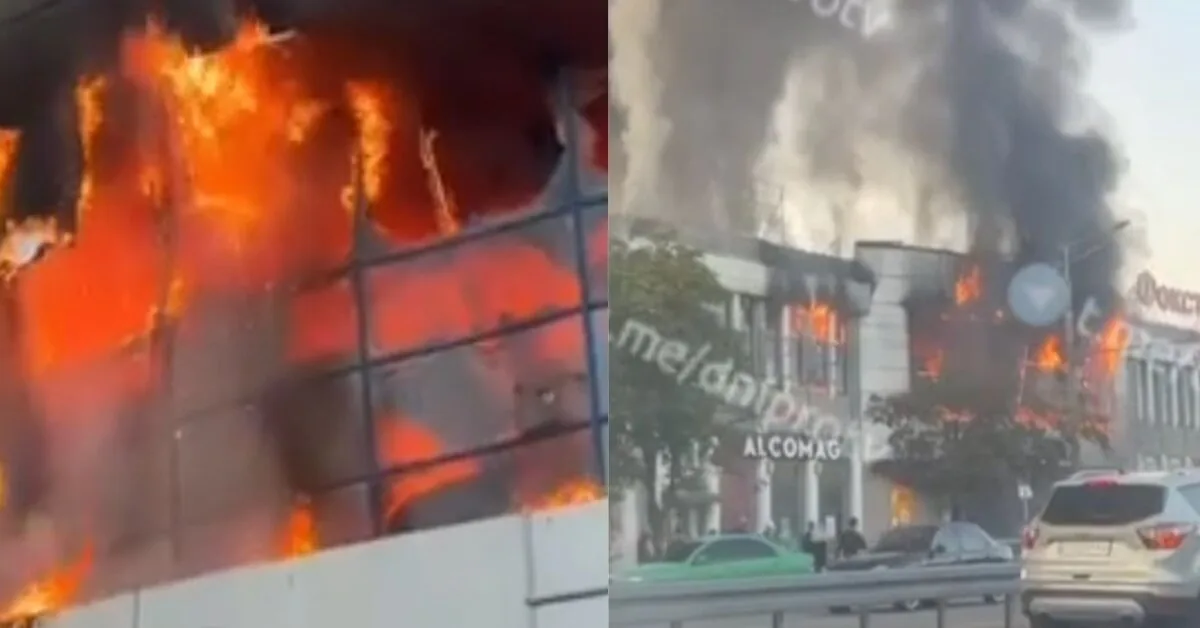
“The situation for Ukraine is more favorable than it has been recently, despite President Volodymyr Zelensky’s mistaken decision last week to dismiss the defense minister. Almost daily drone attacks by Kyiv against Russian oil refineries have allowed Ukraine to move the war onto Russian territory, avoiding mass civilian casualties but causing fuel shortages and sharp price increases, which, according to polls, are eroding confidence in Vladimir Putin,” the article states.
The publication notes that Ukraine’s advantage in using drones is also felt on the battlefield, where the Russian offensive is faltering. Moscow is suffering enormous losses – estimated by Western officials at about 35,000 killed or wounded soldiers per month – although territorial gains remain meager and disproportionate to the losses incurred.
Strikes on oil refineries
It is also important that the damage to Russia’s oil refining capacity increases economic costs, forces Moscow to limit oil product exports, and hits another important source of state revenue. This further reinforces the damage done to the Russian economy by Western sanctions, despite remaining loopholes and Moscow’s attempts to circumvent them.
Russian oil continues to be sold at a constant discount compared to global market prices. Meanwhile, labor shortages and the shift to a war economy are fueling inflation, raising interest rates, and the banking sector is facing a growing number of bad loans.
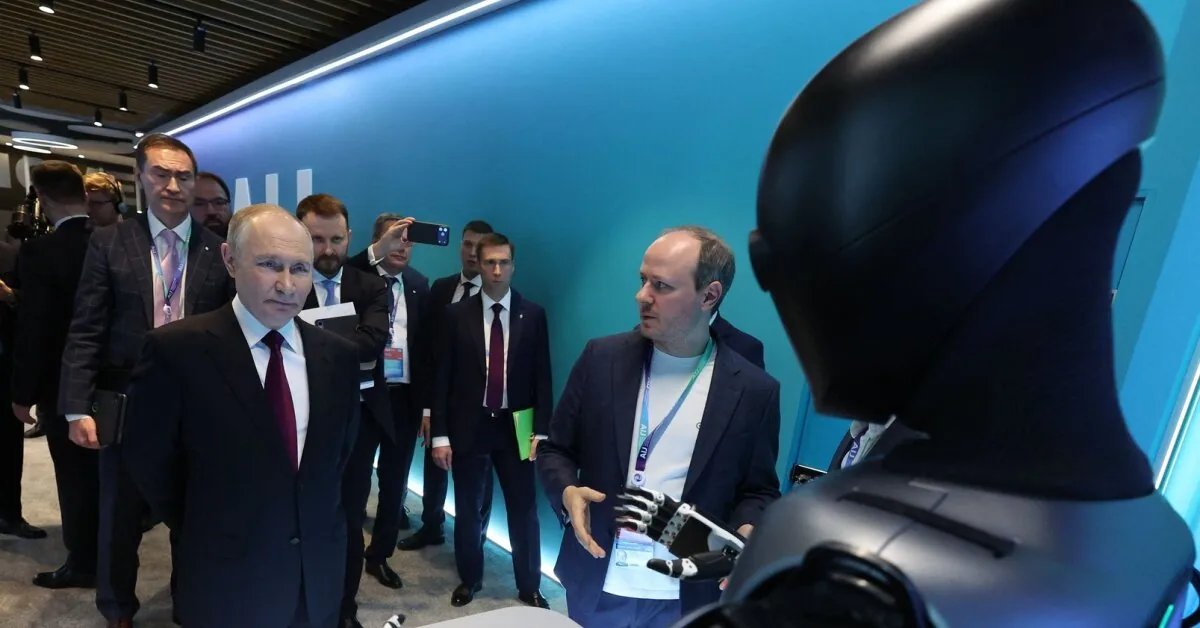
It is noted that Russian President Vladimir Putin has so far shown no signs of backing down, so the risk of escalation remains.
“However, the growing conviction in European capitals that a ceasefire may become more realistic, coupled with so-called sanctions fatigue, is dangerously weakening the resolve to adopt another package of sanctions. Greece seeks to protect its shipping sector from an EU ban on transporting Russian liquefied natural gas to third countries. Germany and Portugal want to lift the ban on buying Russian fish, while France and Italy propose applying visa bans only to those Russian veterans who fought in Ukraine,” the publication writes.
Read more Deimantė Radzevičiūtė triumphed in the «Drift Grounds» stage after a fierce battle
How to solve the problem?
According to the publication, it is necessary to eliminate contradictions between EU states to ensure a fair burden-sharing.
Athens can remind that France, Belgium, and Spain still import Russian liquefied natural gas. As a result, in the first half of 2026, imports from Russia’s “Yamal” project reached a record level, 18% higher than before.
Although the ban on LNG imports under long-term contracts will come into force on January 1, 2027, some states seem to be trying to import as much as possible until then, thus prolonging Europe’s dependence on Russian energy.
“However, if EU capitals start applying exceptions to protect their interests, the sanctions regime could begin to crumble. This, in turn, could send a signal to Moscow that European political patience has reached its limit. The danger is growing that the Russian president may eventually decide not to seek compromises or succumb to the temptation to escalate the situation further,” the publication states.
On Wednesday, EU ambassadors will make a final attempt to reach an agreement on the new sanctions package before the summer holidays. Given the economic costs incurred since 2022 due to measures against Moscow, many capitals hope to avoid additional difficulties.
Nevertheless, the publication emphasizes that short-term protection of national interests can come at a high price – Russia may decide to continue the war to achieve victory, which would have serious long-term consequences for European security and prosperity.