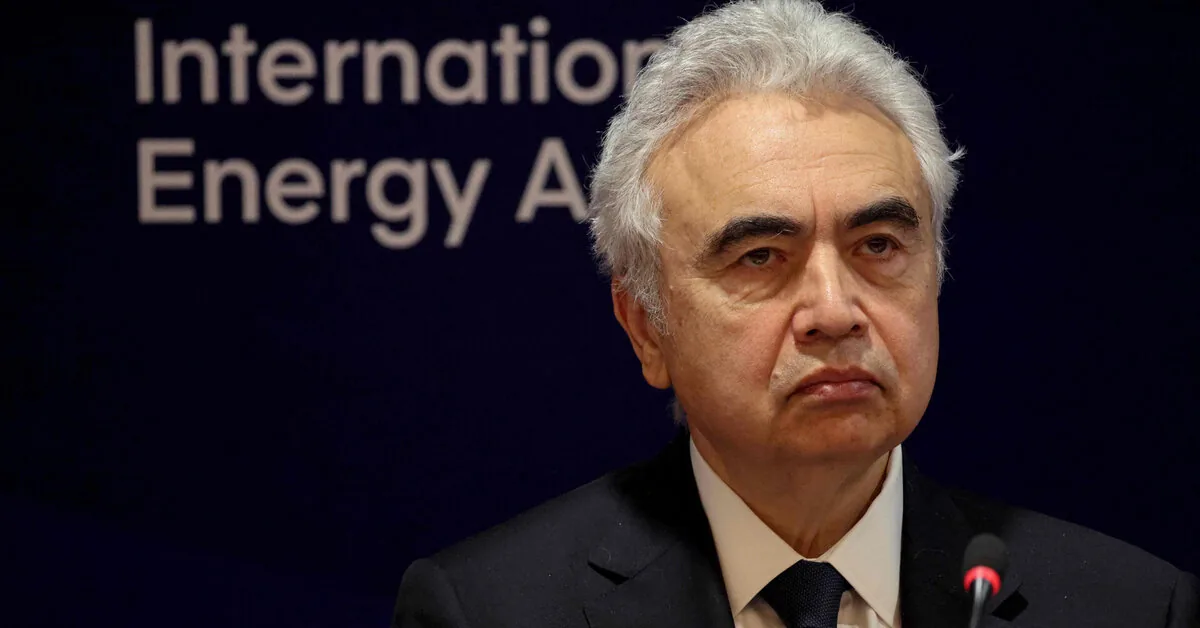
“The escalation of military actions affecting the Strait of Hormuz and the region’s energy infrastructure raises concerns about supply security and uncertainty about market prospects,” the IEA head said.
“For now, the oil market is positively affected by several mitigating factors,” he added, noting increased exports from several countries and the fact that Saudi Arabian and UAE oil is reaching markets via alternative routes.
However, Saudi Arabia’s main alternative route (the country uses a pipeline to load tankers at the Red Sea port of Yanbu) is at risk, as Houthi rebels – Iranian allies in Yemen – have announced their intention to block Saudi Arabian ports.
The oil market has been fearing for months that the Houthis would again attack ships in the Red Sea and the Gulf of Aden – as they did during the Gaza war – further restricting crude oil supplies. However, the initial market reaction to the Houthi statement was subdued, as Iran indicated that mediation efforts were still ongoing, which reassured investors.
Read more «In the ‘Maldives of Europe’» – shocking reality: this is what really hides behind Instagram photos
“Threats to the Bab al-Mandeb Strait, which is becoming increasingly important as a route to bypass the Strait of Hormuz, further reinforce these fears,” said F. Birol, referring to the narrow passage between the Red Sea and the Gulf of Aden.
He noted that the continuous release of state-held reserves into the market has provided considerable relief to markets. However, he warned that “there is no room for complacency on oil supply security,” and pointed to the decline in existing commercial inventories.
F. Birol noted that additional liquefied natural gas supplies from the United States and Canada compensated for about 70% of supply losses through the Strait of Hormuz. However, further delays in resuming exports from the Persian Gulf “will be felt by all LNG importers, including Europe, which seeks to replenish its gas storage facilities before the upcoming winter,” the IEA head warned.