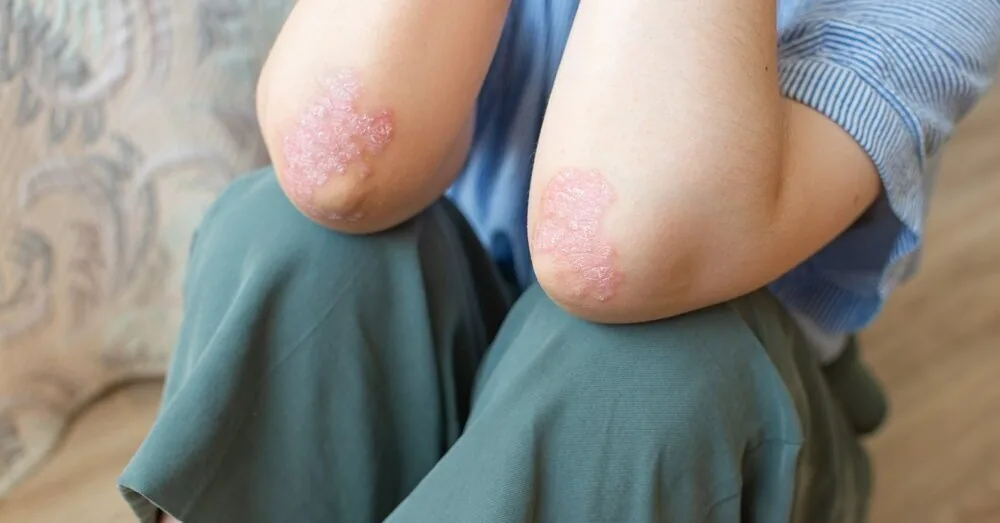
The connection between sleep and psoriasis can resemble a vicious circle. When the skin itches or burns, it is harder to rest. And when a person does not get enough sleep, the body becomes more sensitive to stress and inflammatory processes.
Read more After the surrogacy scandal, a German parliamentarian is stepping down, sources say
Although we usually think about the evening routine, specialists point out that what we do in the second half of the day can also affect sleep. Here are some afternoon habits that can worsen well-being at night for those with psoriasis, writes “EatingWell”.
1. Increasing stress towards the evening
Stress is not just an unpleasant state for many people. In psoriasis, it can be one of the factors that trigger flare-ups or intensify symptoms. At the same time, the disease itself causes tension – you need to take care of the skin, treatment, monitor what irritates it, and flare-ups can affect well-being, sleep, and self-confidence.

Dermatologist Aleta Simmons says that for some people, managing the disease itself becomes an additional source of stress, so the tension remains elevated.
This is especially felt in the evening. Fatigue accumulated during the day, work, emotions, or anxiety can intensify itching at the end of the day. And when the so-called itch-scratch cycle begins, sleep suffers even more.
Therefore, it is important not to ignore afternoon stress when having psoriasis. A short walk, breathing exercises, a calmer transition from work to evening, putting the phone aside, or at least a few minutes without rushing can help.
2. Forgotten skin moisturizing
If you exercise after work, shower, and rush on, moisturizing the skin may seem like a trivial matter. However, in psoriasis, it is one of the simplest ways to reduce dryness, tightness, and itching.
Moisturizing products help retain water in the skin, reduce dryness, and can help maintain the skin barrier. Dermatologist A. Simmons points out that products with ceramides can be beneficial because they help maintain and restore the protective skin layer.
When the skin dries out, it can itch more, flake, and become more sensitive. This, especially in the evening and at night, directly affects sleep.
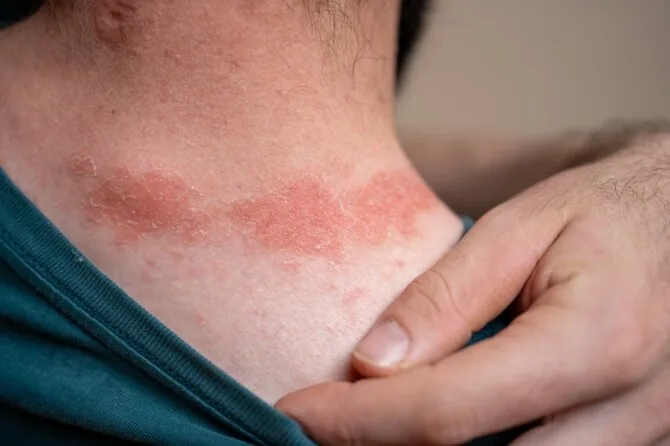
Specialists often recommend moisturizing the skin regularly – especially after bathing or showering and before sleep. Of course, it is best to choose specific products in consultation with a dermatologist, especially if psoriasis is active or treated with medications.
Read more Latest weather forecast: yellow warning for dangerous weather across all of Lithuania
3. A few alcoholic drinks after work
A glass of wine or a few drinks after work may seem like a way to relax, but in psoriasis, alcohol can worsen the situation. It is associated with a more severe course of the disease, greater inflammatory response, and weaker response to some treatments.
Dietitian Samaria Garrett says that psoriasis is an inflammatory disease, and alcohol can act as an additional irritant for some people. Although each person’s triggering factors are different, some patients notice that after alcohol, the skin or scalp becomes more sensitive, more irritated, and harder to manage.
Alcohol can also harm sleep. Although it may initially seem easier to fall asleep after drinking, nighttime sleep often becomes more superficial, with more frequent awakenings and poorer rest. If itching or skin discomfort contributes to this, the night can be restless.
What can help?
For better sleep with psoriasis, there is not one magical remedy but several simple, consistent habits.
First, it is worth creating a clearer sleep routine: try to go to bed and get up at similar times, avoid screens before sleep, and ensure a cooler and calmer bedroom.
It is equally important to follow the prescribed treatment and not leave itching “to somehow pass.” If symptoms interfere with sleep, it is worth consulting a dermatologist. If insomnia persists, help from a sleep disorder specialist may be needed.
Broader attention to lifestyle can also help: stress management, regular physical activity, moderate alcohol consumption or abstinence, and a balanced diet.
S. Garrett emphasizes that psoriasis is an inflammatory disease, so it is important to look at the overall picture: sleep, stress, physical activity, nutrition, and daily skin care.
Read more Book Anatomy: «Professor S. and the Vilnius Basilisk»
Prepared based on “EatingWell”.