According to Dr. Dovilė Naruševičiūtė, a physical medicine and rehabilitation (PMR) doctor at “Eglė,” the leader in sanatorium treatment and medical rehabilitation in the Baltic countries, therapeutic mud can be applied in different ways – as a full body wrap, local applications, mud bags, hand or foot baths, according to a press release.
Read more Almost 600 thousand euros – for physical activity activities of sports organizations
“Full body mud wrap is one of the most popular procedures, but such heating affects not only the area where the mud is applied. When the whole body is heated, the circulation of the entire organism is affected. Therefore, even if theoretically we do not apply mud to one joint, the overall thermal effect will still reach it,” says the doctor.
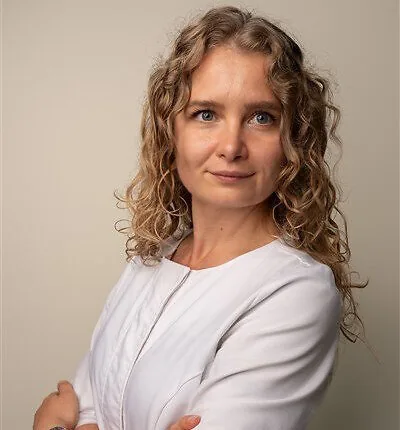
When it is necessary to target a specific body area and put less strain on the whole organism, local procedures can be applied. “Using mud bags retains the biological and mineral effects of the mud, but the thermal load is lower. This allows targeting a specific body area and less exhausting the organism,” says Dr. D. Naruševičiūtė.
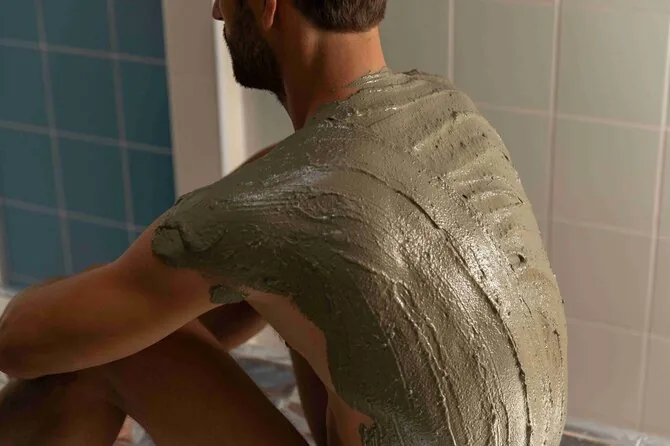
The sanatorium uses two types of therapeutic mud – sapropelic, often called white, and peat, also called black. “Sapropelic mud is more often used when a gentler effect on the skin, calming, or detoxifying effect is needed. Peat mud retains heat better, so procedures with it are more intensive – they more strongly affect circulation and muscle relaxation. However, due to the higher thermal load, it is not always suitable for those with heart or circulatory disorders,” she explains.
Mud bath works more intensively
One of the more intensive procedures is the mud bath, where peat mud is mixed with mineral water. It works stronger than many local procedures, can help relax, reduce muscle tension, improve circulation and lymph flow.
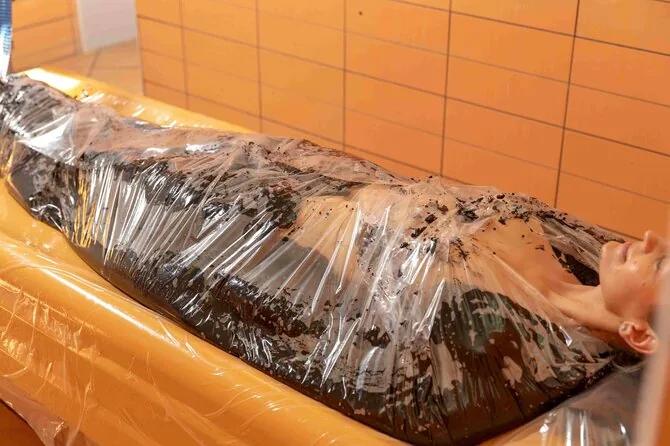
“The mud bath has an additional hydrostatic pressure effect – the body receives gentle compression, improving lymph and blood circulation. Moreover, in the bath, a person can move a little, so for some it is more pleasant than a wrap, where one has to lie still,” notes the doctor.
However, this procedure is selected individually, as sensitive people may experience weakness, nausea, heart palpitations, blood pressure fluctuations, or dizziness after it.
It affects not only joints but also muscles
Although it is often said that mud is “good for joints,” its effect is also related to muscles. When a joint is stiff or worn out, the surrounding muscles work harder, tire faster, tense up, and can cause additional pain. “The joint itself does not move – it is controlled by muscles. Heat improves circulation, helps muscles relax, and then stiffness related to the joint decreases,” says Dr. D. Naruševičiūtė.
Read more The first accident in the «Aurum 1006 km race» training: BMW unfortunately crashed
Therefore, mud procedures can be beneficial for chronic osteoarthritis, arthritis, back pain, or long-term muscle tension. Heat can also help an overworked, sedentary, tension-experiencing person – to relax shoulders, back, and help rest.
When can heat be harmful?
One of the most common myths is that the hotter and more intense the procedure, the more effective it is. The doctor emphasizes that excessive heat can become an additional burden for the body. “After a mud procedure, a person may feel slight fatigue, which passes after rest and turns into better well-being. But if blood pressure drops, nausea occurs, weakness or fatigue sets in, it is not a good sign. It indicates that the body was overloaded,” she explains.
Mud procedures are applied very cautiously in cases of acute pain, inflammation, swelling, or recent injury. In such cases, heating can increase swelling and worsen the condition. Mud procedures are more suitable for chronic pain, muscle tension, joint stiffness, osteoarthritis.
“If the pain is sharp and the joint is swollen, hot procedures may not help but harm. In such cases, other procedures are selected, such as magnetotherapy, peripheral magnetic stimulation, cryotherapy, etc.,” lists Dr. D. Naruševičiūtė.
How to prepare for the procedure?
Mud procedures can also have a detoxifying effect, especially sapropelic mud. However, this effect is mostly related to sweating, so it is important to take care of fluids both before and after the procedure.
“If the body has nothing to sweat out, it has no way to cleanse itself. Therefore, it is important to drink enough water before the procedure, and after it, within the next half hour or hour, to drink a few more glasses; mineral water is an even better choice because of the minerals it contains,” explains the doctor.
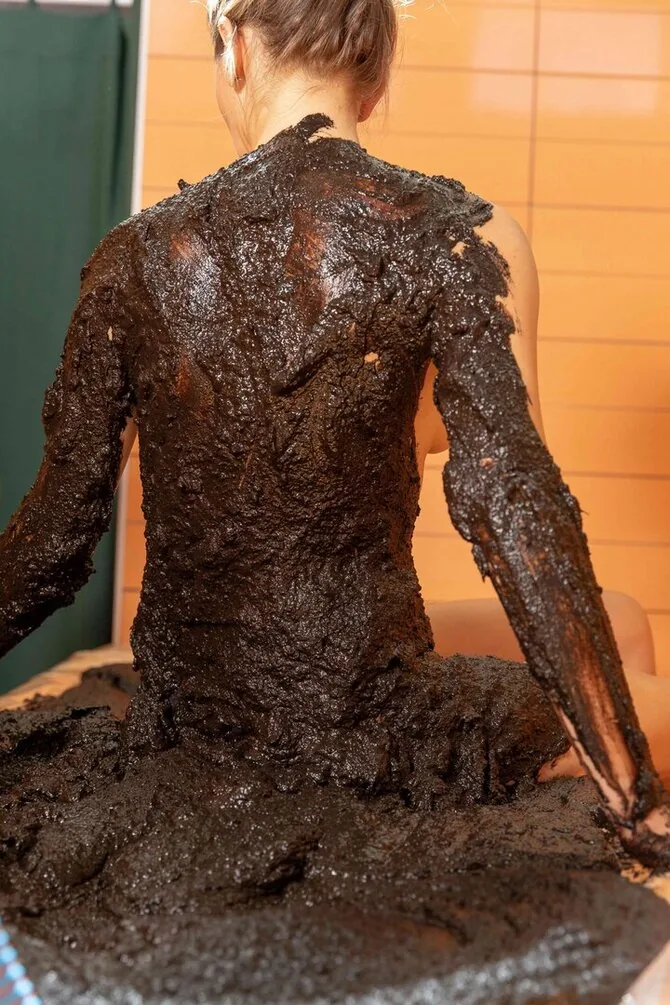
According to Dr. D. Naruševičiūtė, the benefits of therapeutic mud are revealed when the procedure does not overload the body and the effect matches the person’s condition. “Therapeutic mud can provide a very good effect, but the most important thing is respect for your body. There is no need to attack it with a strong procedure and expect to recover faster. Sometimes a gentler, more precisely selected effect is much more beneficial,” concludes Dr. D. Naruševičiūtė.
Read more Mantas Varaška: banking services must be equally accessible to all residents of Lithuania