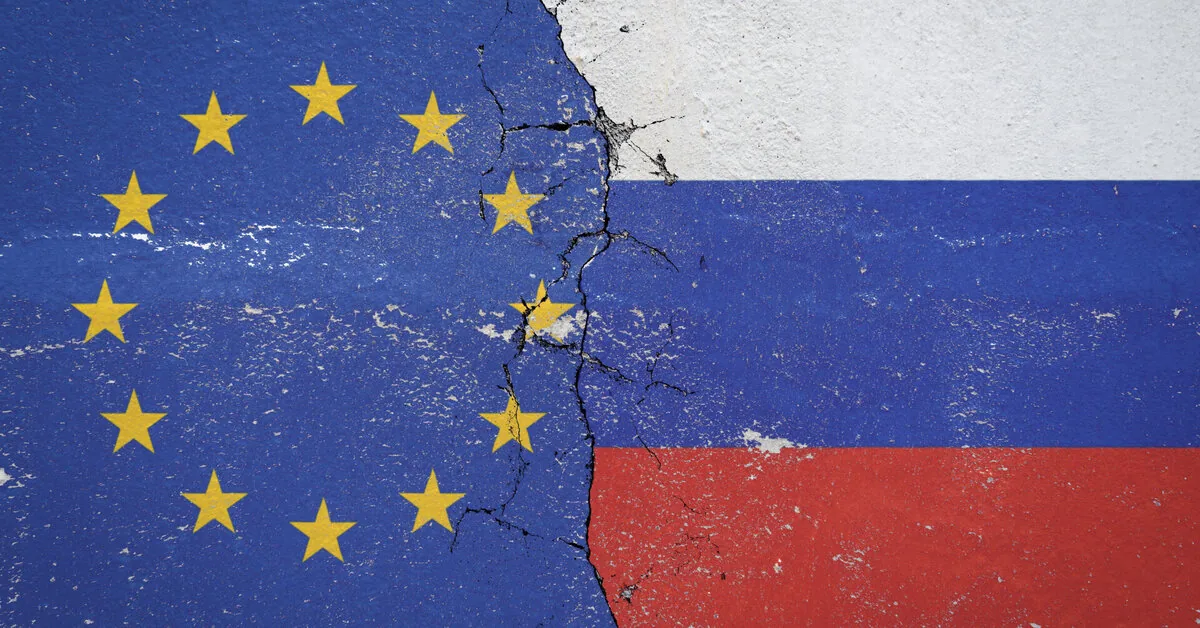
It is planned that ambassadors of the 27 member states will hold negotiations in Brussels to reach an agreement on this issue, which has so far been hindered by a series of disagreements.
Read more Legionnaire leaving «Kauno Žalgiris» moves to the French second league
If no agreement is reached by Wednesday, the EU may be forced to raise the so-called price caps, previously set to limit the amount Russia can earn from its global oil exports.
Under the current regulations, the price cap, currently about 44 US dollars (38 euros) per barrel, would have to increase significantly to better reflect the international oil prices that have surged due to the war in the Middle East.
Brussels wanted to change these rules in the new sanctions package to maintain the current level for a few more months so that the Kremlin could not benefit from the price surge.
However, the new sanctions package – already the 21st that the EU wants to apply to Russia since Moscow’s invasion of Ukraine began in February 2022 – has faced considerable difficulties since it was proposed by the European Commission last month.
Various countries opposed certain parts of the proposal and sought to soften them.
For example, Bulgaria opposed including Russian Orthodox Patriarch Kirill on the “blacklist”.
Diplomats said Germany opposed the proposed ban on importing Alaska pollock from Russia – a fish widely used for baby food.
There was also an attempt to soften the plan to introduce a comprehensive visa ban for all Russians who participated in the war in Ukraine.
According to diplomats, there are other contentious issues that still need to be resolved, so it is unclear whether an agreement can be reached before the oil price cap expires.
EU foreign policy chief Kaja Kallas said after the EU foreign ministers’ meeting on Monday that the countries are “quite close” to an agreement.
“Our goal is to reach an agreement. If we do not reach an agreement, we will start working on plan B,” she said.
If an agreement cannot be reached, it could deal a blow to the EU at a time when Kyiv appears to be changing the course of the war.
European Commission President Ursula von der Leyen plans to visit Kyiv on Wednesday, where she will meet with Ukrainian President Volodymyr Zelensky.
Read more The Kremlin rejects EU and UK accusations of cyberattacks and condemns sanctions