China’s long-term strategy towards Russia goes far beyond relations with V. Putin and includes strengthening ties with officials and the elite who will govern the country after Putin’s departure, writes WSJ. According to several analysts cited by the publication, anti-Western sentiments in Russian society and state institutions are so deeply rooted that they will persist even after V. Putin, who largely contributed to their formation.
Russia increasingly detects Chinese espionage attempts among mid-level officials, writes WSJ. However, Moscow, fearing to worsen relations, does not want to publicly announce these cases or raise the issue with Beijing, analysts and a source close to Russian special services say.
Tensions between China and Russia
Despite Moscow and Beijing’s statements about a “limitless” partnership, other signs of tension are beginning to emerge in this alliance, writes WSJ. Since the start of the war, trade volume between the two countries has indeed doubled, but the biggest growth was recorded in the first year after the invasion, according to Chinese statistical data.
The influx of Chinese products into the Russian market has caused dissatisfaction among Russian businesses, especially Rostec head Sergey Chemezov, who called for limiting the number of Chinese cars. Subsequently, the authorities took measures that led to an increase in the prices of Chinese cars.
Another sign of tension in Moscow-Beijing relations was China’s refusal to sign the “Power of Siberia-2” pipeline agreement in May during V. Putin’s visit to Beijing. Chinese officials clearly indicated to Gazprom head Alexey Miller that they would sign the agreement only if Russia supplied gas at domestic market prices – much lower than global prices, sources familiar with the negotiations reported. Essentially, Beijing demanded that the Kremlin subsidize the project, writes WSJ.
Chinese yuan to become the main currency
China’s influence on Russia goes far beyond the energy sector. According to Chinese government advisors and diplomats familiar with the situation, over the past year Xi Jinping has managed to negotiate an important concession from V. Putin. Moscow agreed that the Chinese yuan would become the main currency in the Shanghai Cooperation Organization development bank, which will finance projects in Central Asia.
Read more Exercising regularly is easier than it seems: how to create a lasting habit
For more than ten years, Russia opposed this idea, fearing China’s growing influence in the region traditionally considered its sphere of interest, writes WSJ. However, financial isolation forced Moscow to reconsider its position, and now it is ready to join the bank as a participant, Chinese advisors and diplomats reported. In return, Russia seeks guarantees that the bank’s activities will not be subject to Western sanctions.
China prevented Putin from traveling directly to North Korea
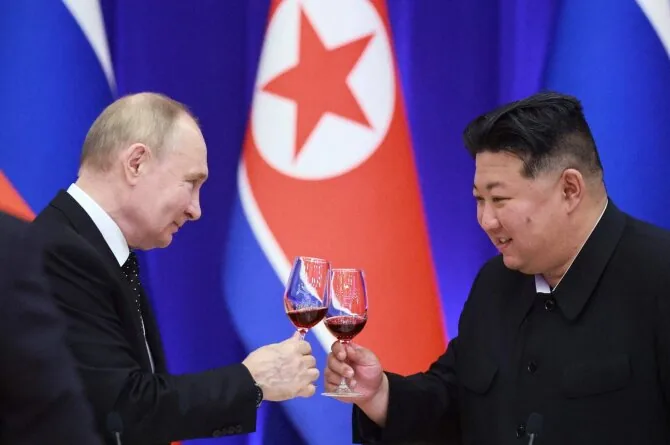
In 2024, after V. Putin was re-elected as Russia’s president, China did not allow him to travel directly from Beijing to North Korea on his first foreign trip, as V. Putin intended. The Chinese side asked to spread out the visits over time because the sequence “China – Russia – North Korea” would only strengthen the narrative of an “axis of authoritarian states,” which Beijing seeks to avoid, writes WSJ.
Moreover, Beijing is increasingly concerned about the deepening military cooperation between Russia and North Korea, writes WSJ. V. Putin agreed and included Vietnam in the itinerary to ensure the necessary political distance between the two visits.
Additionally, China rejected V. Putin’s unofficial request to hold a trilateral summit of Russia, China, and North Korea, sources familiar with the situation reported.