Gave a new life
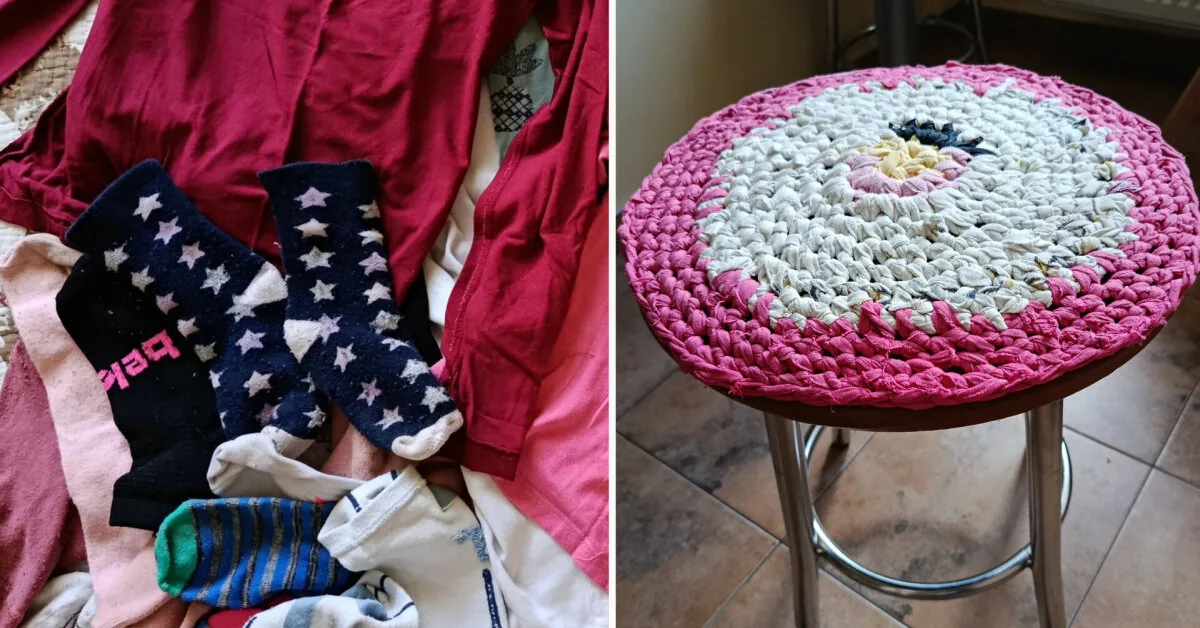
At Adrijana’s home, old clothes do not end up in the trash bin. From worn-out children’s t-shirts, other unworn clothes, and even outgrown socks, she weaves, crochets, and creates new items for the home.
Read more The aftermath of the storm that ravaged Lithuania becomes clear
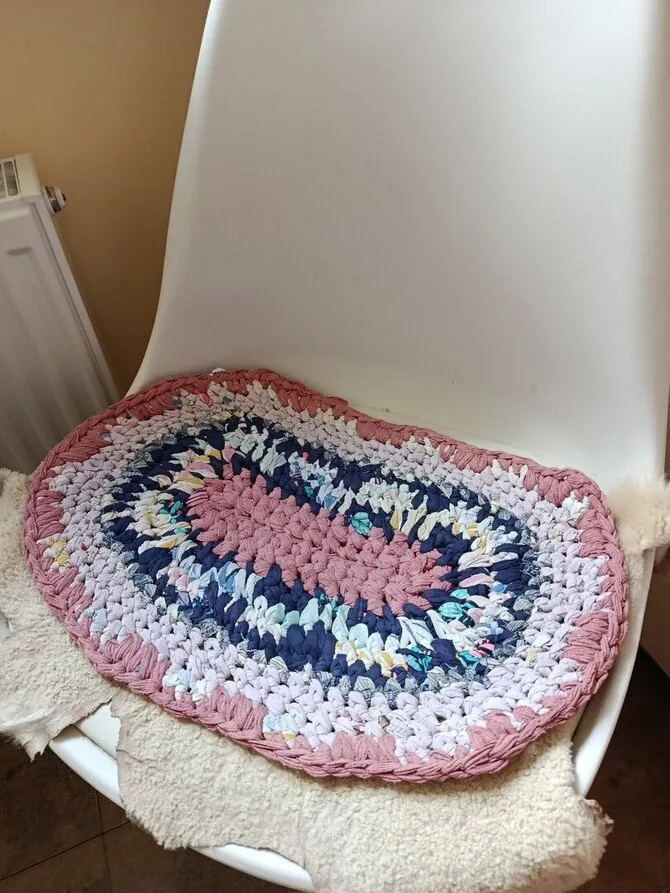
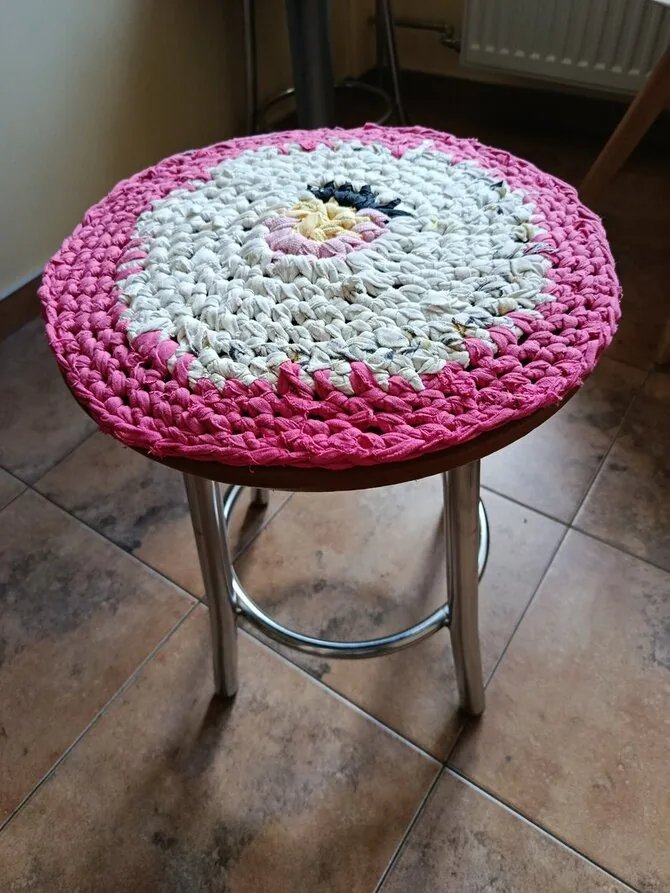
From soft cotton fabrics come round “mats,” chair covers, decorative rugs, and from children’s socks – a woven rug that found its place on the windowsill.
“All outgrown and unused clothes can be reborn for a second life and become useful,” says the contest participant.
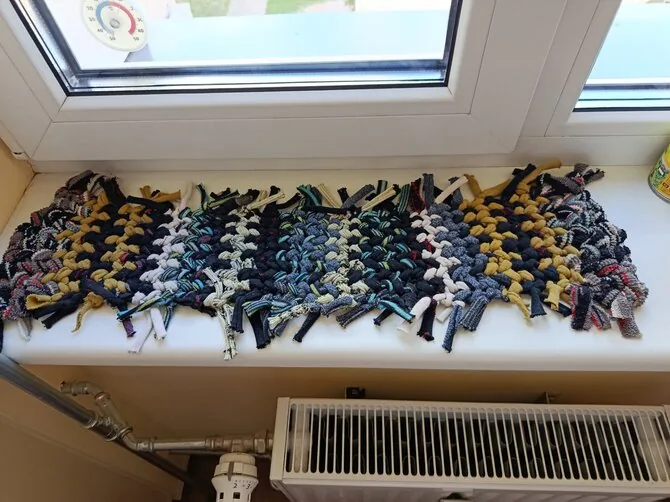
These handmade products not only help reduce textile waste but also add coziness to the home. Each one is unique because it is made from different colors, patterns, and fabrics that would otherwise remain unused.
Another special detail – the round “mat” was knitted by Adrijana’s daughter herself. Thus, the story of old clothes turned not only into a sustainable solution but also a shared family creative activity.
Such transformations have deep traditions
According to Justina Semčenkaitė, a lecturer at the Vilnius Academy of Arts (VDA) Department of Fashion Design and a sustainable fashion specialist, turning clothes into home textiles is not a new phenomenon.
All outgrown and unused clothes can be reborn for a second life and become useful
“This method has been developed for many years in different parts of the world. Before the industrial revolution, people did not have such a surplus of textiles as now, so clothes were passed down from generation to generation, altered, and revived as long as people’s imagination allowed,” she explains.
According to the expert, this tradition is well known in our region as well. For a long time, people lived more frugally, so textiles were repaired, dismantled, resewn, and adapted for new purposes.
“I consider this a very positive cultural trait because it shows that our value base regarding fashion is strong. Even today, when we can buy many new things, we still feel responsible for what happens to unworn clothes,” says J. Semčenkaitė.
Read more The first day of negotiations on political transition in Venezuela has ended
In the content project “Change your attitude, not things,” organized by the Environmental Project Management Agency, we share true stories about how to preserve things and help them live not only a second but many more lives.
Creativity extends the life of textiles
According to the expert, home textile products are one of the most practical ways to extend the life of old fabrics. Soft t-shirts or knitwear are perfect for woven and crocheted rugs, chair covers, or other household items that serve for many years.
“Patchworks and various textile transformation techniques require a lot of time and meticulousness, but the result is usually durable. In this way, even lower-quality textiles can be newly given meaning and used for a long time in everyday life,” assures the VDA lecturer.
She adds that such creations often go beyond just practical use. Handmade textile products become not only functional home accents but also preserve memories, tell family stories, and remind us that the greatest value of an item often lies not in its newness but in its ability to be used as long as possible.
Environmental considerations are also worth noting
Speaking about the possibilities of giving old clothes a new purpose, J. Semčenkaitė emphasizes that this is a very planet-friendly practice. By transforming unused clothes into functional items, we protect not only memories but also the environment.
Even lower-quality textiles can be newly given meaning and used for a long time in everyday life”
“Most of us live in an excessive society where we have more than we really need. This, of course, greatly affects fashion. The competitive market, wanting to satisfy fashion consumers’ expectations, has adjusted the perception of the value of clothing so that we no longer want to pay much for it – both in terms of money when buying a new item and energy when repairing an old one.
Although this is today’s reality, there is another – annually expanding clothing landfills polluting the Earth, formed only because we quickly get bored of clothes and items that we buy so cheaply that we do not feel sorry to throw them away,” the interlocutor points out.
That is why, according to the expert, every garment given a second life becomes a small but meaningful step towards less consumption. Adrijana’s example shows that sometimes a little creativity is all it takes for the story of clothes to continue not in the closet at all.
Read more Scammers from a company in Vilkaviskis district swindled 48 thousand euros
The article was prepared as part of the project “Waste Prevention Promotion”.