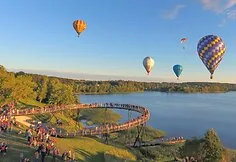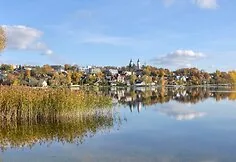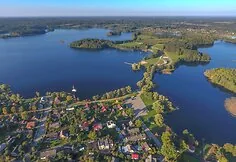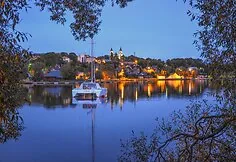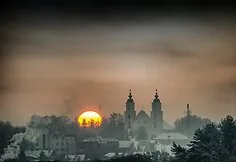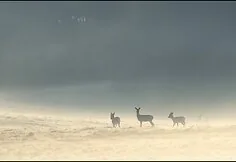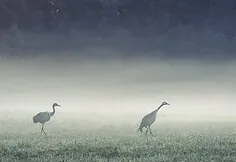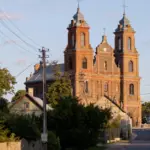






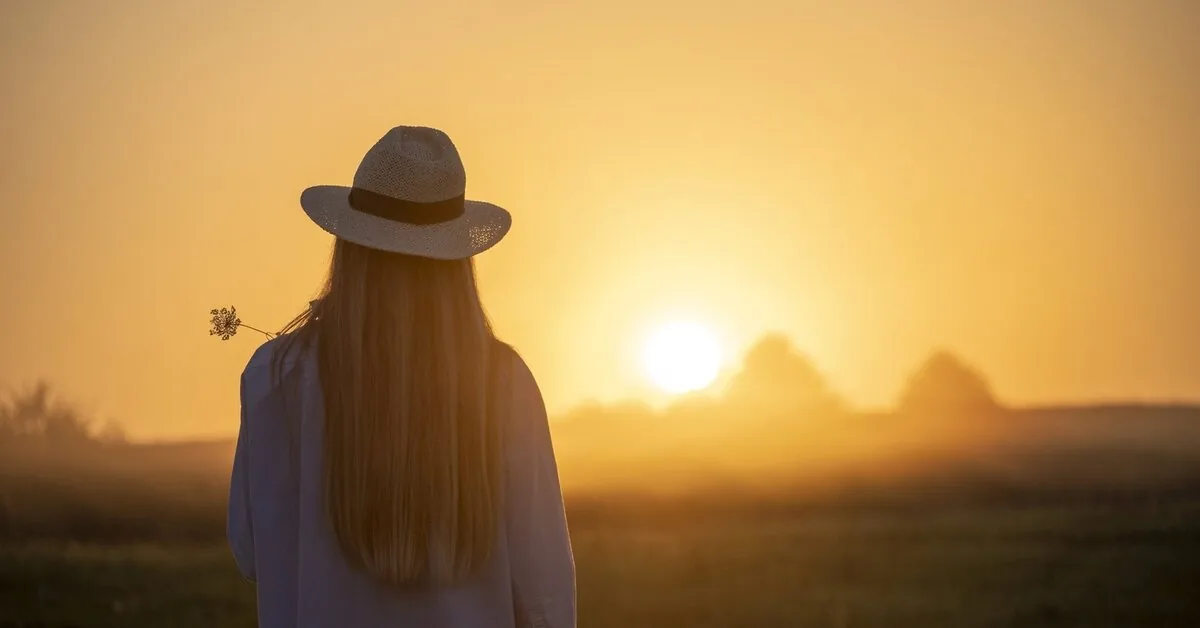
Mirror-like reflections of lakes, hilly forests, and different seasons turn the Zarasai region into a true paradise for photographers. However, three local photographers are convinced – the most photogenic here is not just nature. The true beauty of the region is revealed in its people, their daily lives, disappearing villages, and moments that often go unnoticed.
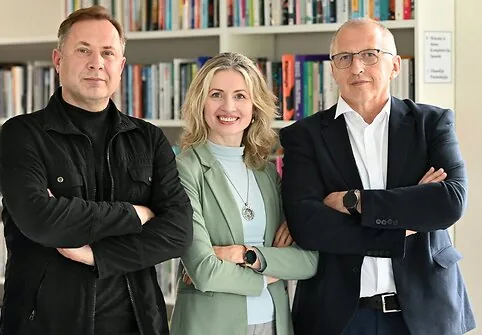
Here, photographers are united by the Zarasai Photographers Club “Land of Lakes,” who share the same desire – to capture the moment.
From firefighter work to the camera
For example, Algimantas Navickas, the head of the Zarasai Photographers Club, started photographing in childhood – he inherited his love of photography from his father Stasys Navickas, who was a famous photographer in his time.
“I grew up among photos and albums. I lost my father when I was still a child, but cameras remained at home. That’s how they ended up in my hands. The whole family was photographed, there are countless albums at home, so photography has accompanied me all my life, although my professional path was quite different,” Algimantas says.
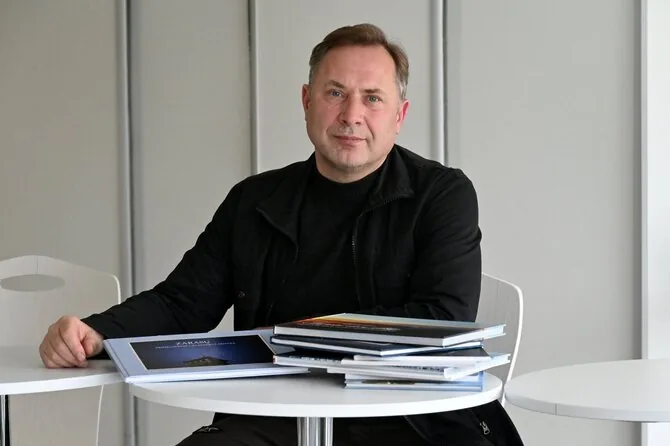
Algimantas worked as a firefighter-rescuer at the Zarasai Fire and Rescue Service for almost three decades, and now he can devote more time to his greatest hobby. He has held personal exhibitions, published a book “Zarasai in the Embrace of Lakes,” and his photos are published in various publications about the Zarasai region.
Last year, the photographer also held a retrospective exhibition of his father’s works at the Zarasai Museum. And for many years while working as a firefighter, he documented the daily life of his colleagues – these shots were compiled into a separate photo album.
Before work at the gymnasium – into nature
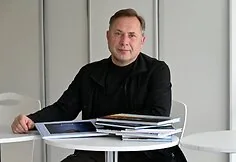
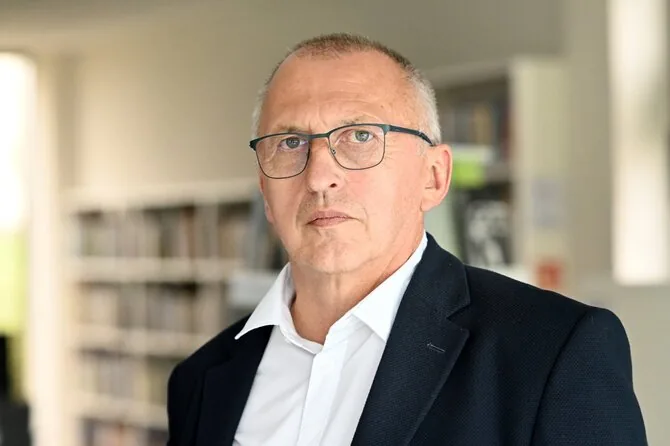
The photography club also includes a teacher, the director of Zarasai Ąžuolas Gymnasium, Rimantas Bikulčius, who says he finds calmness in photography. “Teaching requires a lot of communication and decisions. So, before the day’s worries reach me, I go to nature. There I find peace,” says Rimantas.
Photography has accompanied Rimantas since school days. “After finishing Dūkštas Secondary School in the Ignalina district, I even considered studying it, but I became a history teacher. Still, photography has always accompanied me, and I draw inspiration from well-known photographers. I capture not only nature but also people. For example, for the gymnasium’s 100th anniversary, I organized a portrait exhibition of colleagues,” says R. Bikulčius.
One of Rimantas’s most memorable works is portraits of the people of the Zarasai region who defended Lithuania’s freedom near the Parliament and the TV Tower on January 13, 1991. At that time, A. Navickas was also in Vilnius with his camera – capturing bonfires, barricades near the Seimas, and the prevailing tension.
According to Rimantas, the Zarasai region is grateful to nature photography. “You don’t have to travel far to ‘catch’ a good shot. The only downside is that you have to get up very early,” – laughs the photographer.
Sometimes Rimantas even takes a week off for photography. However, his family does not complain. “By the time the family wakes up, I’m usually already back,” says the photographer.
His works have been recognized not only in Lithuania – in 2012, at the oldest International Tokyo Photography Salon held in Japan, Rimantas won a gold medal.
Photography as a diagnosis
Professional photographer Giedrė Sviklė says she also became interested in photography in her teenage years, inspired by her father. However, when choosing studies, she opted for business administration.
“Photography was always a hobby, but eventually, the hobby started interfering with work, so I quit my job. Now photography is my profession, lifestyle, and diagnosis,” smiles Giedrė.
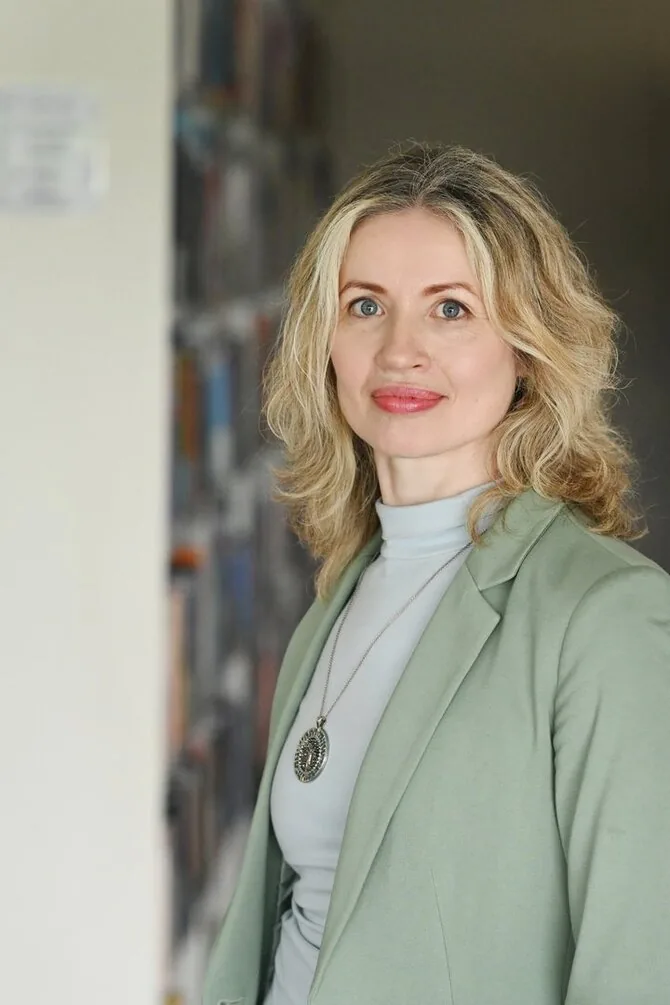
She says her first morning ritual is not a cup of coffee at all. “As soon as I wake up, I first look out the window. If I see a beautiful sunrise or fog – I go to photograph,” says the woman.
Nature is an inexhaustible source of inspiration for Giedrė. “Nature is love that poses unconditionally. Of course, sometimes it’s capricious – you wait for fog, but it’s not there, even though the forecast promised it,” says G. Sviklė.
Read more Why is a child an angel at kindergarten, but a little devil at home?
Besides nature photography, Giedrė creates portraits of people and documents moments of everyday life.
Will artificial intelligence replace photographers?
Photographers admit that technology is changing their work, but they do not believe it can replace the human eye.
“Sometimes I wonder how much longer we will be needed. But even for artificial intelligence to generate avatars, a natural photo is still needed. And a professional photographer sees light, composition, emotion – that is what gives artistic value,” says Giedrė.
She herself sometimes uses artificial intelligence for photo retouching.
Although the interviewees work with digital equipment today, none of them reject film photography.
“Sometimes I take a film camera and walk through villages – there is still such authenticity left that you want to capture it. It’s a kind of therapy. And after a few years, when you open old photos, you realize you captured doors, shutters, or entire villages that have already changed completely,” Rimantas says.
He adds that he still enjoys developing films himself.
A. Navickas agrees that photographing with film is also responsible. “Even when photographing weddings with a film camera, you have to think about the shot in advance,” he says.
However, both Algimantas and Rimantas also photograph nature with drones – it’s another way to see the environment differently. “Zarasai is not a big city; it seems everything has already been captured. But when you rise into the sky, new views open up. At first, I even had to learn to fly a hang glider, but now having a drone is enough,” says Algimantas.
Finding talents even among those photographing with phones
Photographers say they notice young people in Zarasai who have a “good eye.”
“I observe young photographers at the gymnasium, I give some advice myself, there are definitely talented young people photographing just with phones,” notes Rimantas.
According to Algimantas, it is important to involve young people in activities and encourage them to improve. “Sometimes we also organize educational events. And in the club, each of us has our own style, vision, so by gathering, we learn from each other, support each other, and just spend time together. Community inspires further creativity,” shares A. Navickas.
Rimantas adds that the most important thing to start photographing is not expensive equipment but desire.
“You just need to get up from the couch and go outside. Everything comes through practice, so it’s not necessary to immediately photograph a moose in the forest or rally races. It’s enough to start with the nearest lake or person,” Rimantas advises.
Giedrė agrees that you can also choose to be with those who help that desire grow. “Good advice always inspires you to continue what you do. And the most important thing is just to do it, not to be afraid to make mistakes, and to communicate with other photographers. That’s how your horizon expands,” says G. Sviklė.
Photographers also agree on one more thing – the most beautiful views do not have to be sought in another part of the world.
“Sometimes it’s enough to return to the same place every morning. At first, it seems you know it by heart, but at different times of the year or day, it becomes completely different. Photography allows you to fall in love with the same place anew,” says Giedrė.
Photographers say the best shots sometimes “ripen” only after many years. Only when you open an old album do you realize you captured scenes that no longer exist today. Then photography becomes not only art or memory but also a witness of time.