„In Lithuania, this phenomenon should not cause significant changes to the electricity system or price, as the eclipse will occur at a time when solar generation is already rapidly decreasing. However, on a European scale, this is a very good example of how the electricity system has changed. We have more and more weather-dependent production, so it is important to look for more opportunities to respond flexibly to its fluctuations,“ says Mantas Kavaliauskas, Head of Commerce at „Elektrum Lietuva“.
Read more How long should a teenager be allowed to sleep in on weekends?
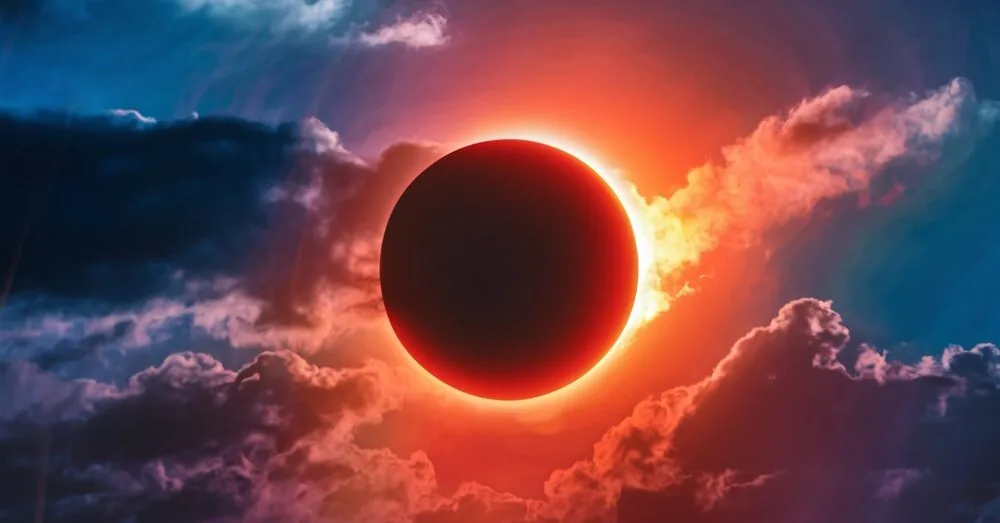
European energy system operators are preparing for this phenomenon in advance – it is forecasted that due to the eclipse, solar electricity production in Europe may temporarily decrease by almost 10 GW. This means that part of the missing energy will have to be compensated at that time by other production sources, storage facilities, or electricity import options.

The greatest impact is expected in Spain, where solar production may decrease by up to 5 GW, in Germany – up to 2 GW, and in France – about 1.8 GW. Meanwhile, in the Nordic countries, as well as in the Baltic region, the impact will be much smaller due to lower solar generation capacities and a smaller eclipse.
In Lithuania, the solar eclipse will begin after 8 PM and coincide with the evening electricity consumption peak – at this time electricity prices usually rise due to increased demand, and the reduced solar generation will additionally strengthen this price increase.
Flexibility becomes one of the most important conditions of the energy system
According to the expert, phenomena like the solar eclipse show a broader trend: the more electricity is generated from wind and solar, the more important it becomes to be able to quickly balance the system.
„In the future energy system, it will not be enough just to build more solar and wind power plants. We have to think about how to coordinate electricity production and consumption at times when production from renewable sources is less or more than needed. This requires batteries, storage solutions, flexible generation, cross-border connections, as well as flexible consumption,“ says the expert.
Flexibility is important not only for energy companies. Consumers can also increasingly participate in system balancing – for example, charging electric vehicles, using heat pumps, or other electrical appliances can be shifted to hours when there is more electricity on the market and it is cheaper.
„In the future, the consumer will no longer be just an electricity user. They will be able to become an active part of the energy system – choosing when to charge an electric vehicle, when to store electricity in a battery, or when to use more electricity. The more such flexible consumers we have, the easier it will be to utilize renewable energy surplus and manage its shortage,“ says M. Kavaliauskas.
Although today’s solar eclipse in Lithuania will not pose a major challenge to the energy system, the changes taking place in Europe during it will remind us of one important rule: when transitioning to renewable energy, flexibility becomes as important as new electricity generation capacities.