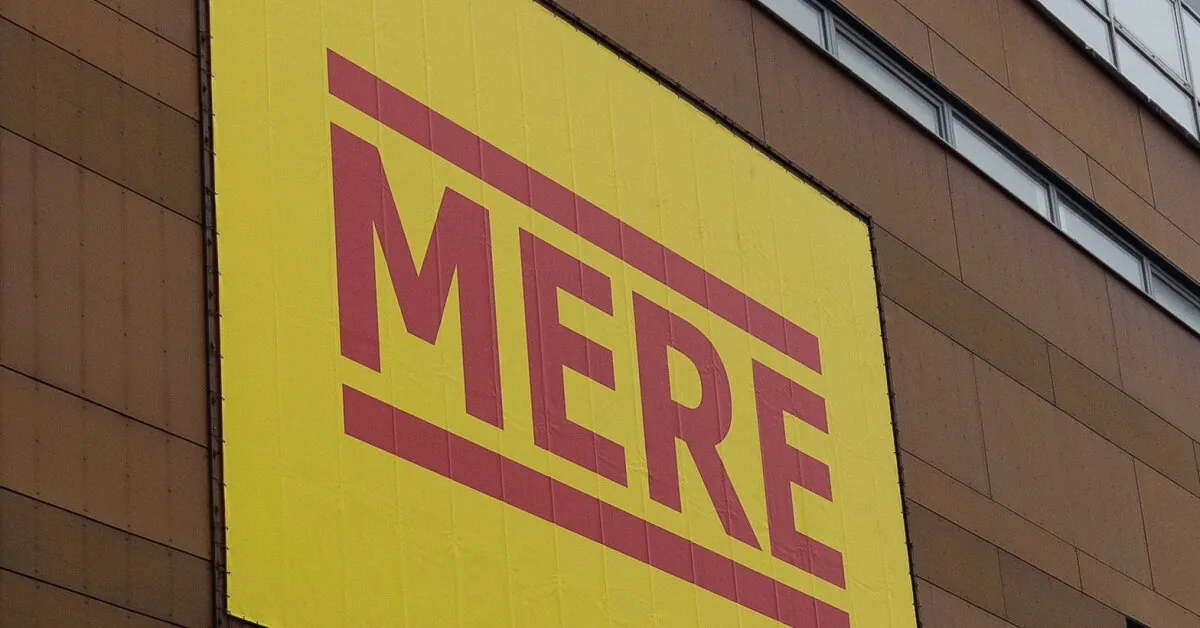
At the end of July, after the news that Russian businessman Sergei Shnaider, who owns the retail chain “Mere,” was included in the European Union sanctions list, more than 20 “Mere” stores in Lithuania were suddenly closed. Employees were ordered to close the stores and leave the premises within fifteen minutes – no information was given about what to expect next.
Read more Former Russian minister suddenly «disappeared»: wasted billions
Soon, the Financial Crime Investigation Service (FNTT) froze the finances of the management company of this chain in Lithuania, “Valientė,” and two other Lithuanian businesses related to the indirect controller of “Mere,” Russian businessman S. Shnaider – the warehousing company “Next Logistics” and the food trading company “Litproduktai.”
Three 15min interviewed “Mere” employees claimed they are still at a dead end – receiving no news from company management about layoffs, severance pay, or salaries.
“There are no settlements – nor layoffs. They only lay off without problems those who no longer want to wait and leave voluntarily. No one responds to requests sent by registered letters or email,” informed 15min “Mere” employee Anastasia (real name known to the editorial office).
Read more Scandal over sex, drugs, and madness: how Allen Ginsberg’s poem broke the censorship wall
They were called to work
Another “Mere” employee Rasa (real name known to the editorial office) told 15min that she had not received a salary for either July or August, although she was called to work to prepare goods that suppliers pick up.
15min wrote that entrepreneurs affected by “Mere” are applying to the FNTT for permits to allow exceptions and to retrieve goods stuck in stores.
“On August 10, managers called employees to work in the stores – three or four at a time. I was on that list too. You can’t refuse because they can record absences and it will seem like you were fired – which would be very convenient for them. You want them to lay you off according to the law and pay the benefits you are entitled to, so you go to that work. People are still working, although there is not much work – the goods are arranged, only the suppliers do not pick them up. It turns out that you sit and wait,” Rasa said.
Read more Weather forecaster – about weather changes: continuous rain