“Many medicinal plants grow in Lithuanian forests, long valued for their properties and various uses. Responsibly collected herbs can enrich home supplies, diversify daily tea rituals, and allow enjoyment of natural forest flavors and aromas. Such teas are appreciated not only for their taste and smell but also because they are a natural choice for everyday life,” says Gintarė Karelina, a nature management specialist at the State Forest Enterprise (VMU), according to a press release.
Read more In the Vilnius fountain for toddlers – extremely dangerous children’s games
Which medicinal herbs are still worth picking in Lithuanian forests before the end of summer, and how to properly prepare them for winter? VMU specialist G. Karelina shares advice on which plants to pay attention to now to supplement your natural home medicine cabinet before autumn.
How to properly collect and dry medicinal herbs?
It is best to collect medicinal herbs on a sunny day when the morning dew has already dried from the plants. Only well-known plants should be picked, and washing before drying is not recommended – it is enough to remove damaged or dirty parts of the plant.
“Drying is no less important than collecting itself – improperly dried plants can lose some of their valuable properties,” says G. Karelina.
Medicinal herbs are recommended to be dried in a well-ventilated place protected from direct sunlight. It is best to spread the plants in a thin layer on paper, linen fabric, or wooden sieves and gently turn them daily.
Herbs collected in summer can be useful during the cold season
Some medicinal plants growing in Lithuanian forests have long been used to prepare various teas, especially in the cold season.
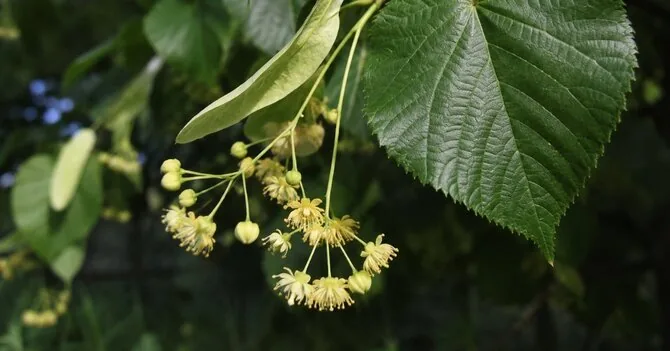
One of the best-known is the small-leaved lime (Tilia cordata Mill.). Blooming limes emit a sweet aroma, attract bees, and their flowers are often collected for fragrant tea. In folk medicine, linden flower tea is traditionally used to promote sweating and relieve throat discomfort.
Common thyme (Thymus serpyllum L.) usually grows on dry sandy slopes, roadsides, embankments, and sparse pine forests. It is used to prepare fragrant tea traditionally associated with respiratory care.
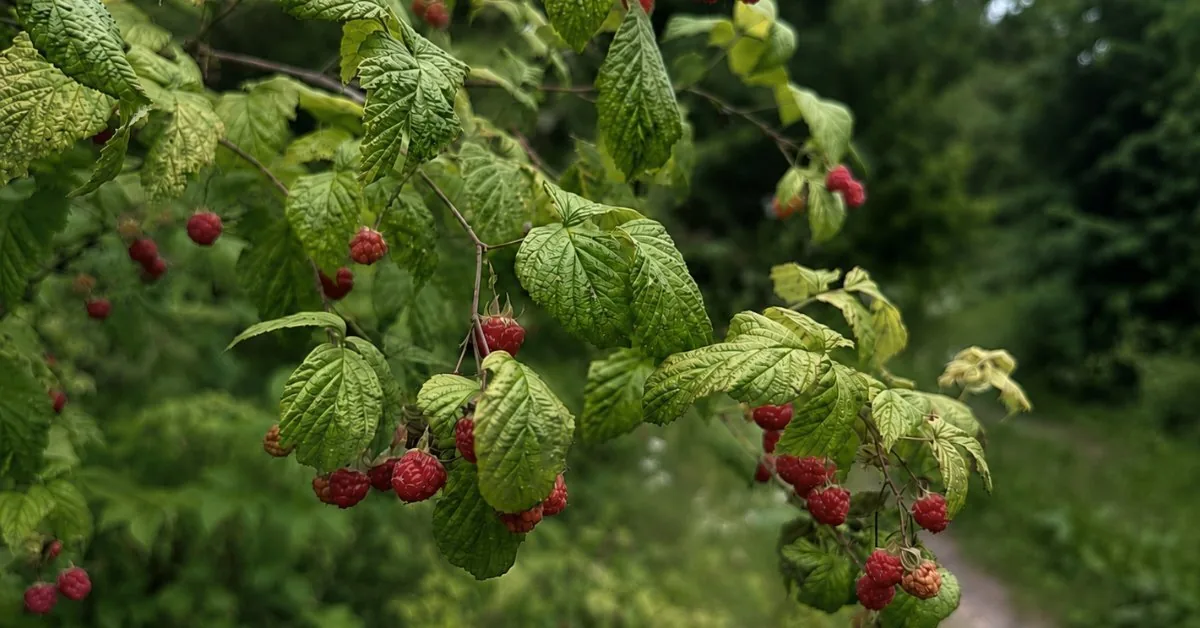
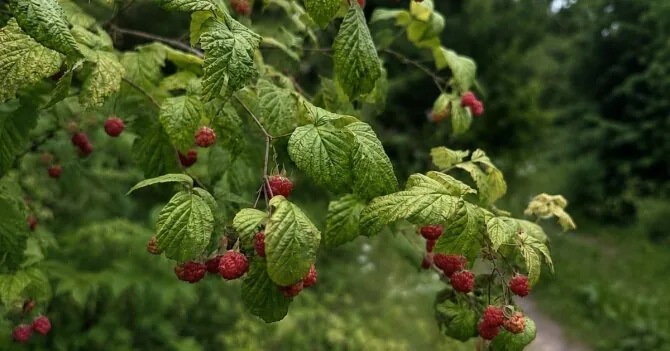
Equally valuable are the leaves of the common raspberry (Rubus idaeus L.). Although the berries are most often collected, the leaves are also used to prepare teas and have long been valued as one of the plants chosen during the cold season.
“When collecting medicinal herbs, quality is more important than quantity. It is better to gather less but healthy, undamaged plants collected in clean places, away from heavy traffic or other pollution sources. Such herbs will be of higher quality,” says G. Karelina.
Read more After stormy weather – hot days, but not for long
Forest plants that aid digestion
Several aromatic plants grow at forest edges and sunny clearings, whose tea is traditionally prepared for daily consumption. Some of them are also associated in folk medicine with supporting digestive function.
Common oregano (Origanum vulgare L.) is easily recognized by its fragrant leaves and pinkish-purple flowers. It is best to collect it during flowering – in July and August. Oregano tea is most often used to support digestion.
Another well-known plant is common St. John’s wort (Hypericum perforatum L.). Its bright yellow flowers, which stain reddish when rubbed, help easily identify the plant. St. John’s wort tea has long been used to support digestion and daily well-being.
Nature’s gifts can complement daily nutrition
Balanced nutrition, physical activity, and full rest are the most important foundations of good well-being. They can be complemented by various plants used to prepare teas or other products.
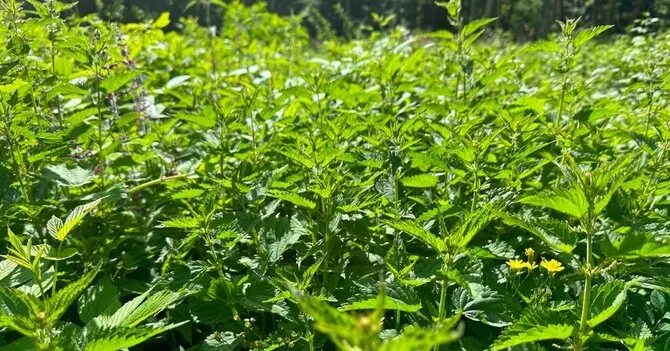
Great nettle (Urtica dioica L.) is valued for its vitamins and minerals. Young leaves are recommended to be collected from May to July while they are still tender. Teas or other products are made from them, but they are not suitable for everyone. People with increased blood clotting or allergies to this plant are advised to consult a healthcare professional before use.
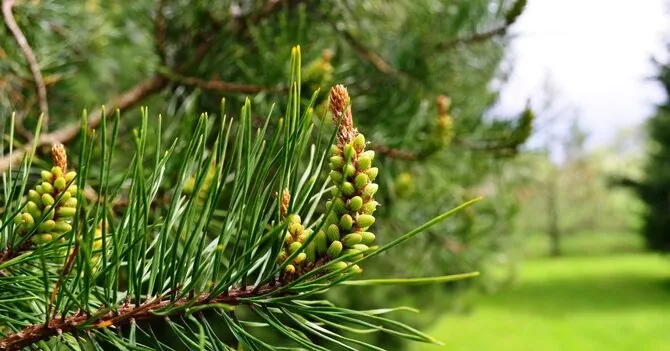
Although the buds of the Scots pine (Pinus sylvestris L.) are not classified as medicinal herbs, they have long been collected for various homemade products – teas or syrups.
G. Karelina emphasizes that medicinal herbs cannot replace doctor-prescribed treatment, but responsibly collected and properly prepared they can become a natural part of daily tea rituals.
VMU reminds that when collecting medicinal herbs, only well-known plants should be picked and only as much as truly needed. Responsible behavior helps preserve the biological diversity of Lithuanian forests and ensures that future generations can also enjoy their gifts.