Over the past decade, Kaunas has essentially refreshed its bus and trolleybus fleet and introduced new technological solutions, and now plans a much larger transformation – to optimize the entire public transport network.
The city is preparing to move from a widely fragmented and overlapping system to a much clearer one, using terminals. In the future, this would help ensure sufficient vehicle frequency, reliability, and shorter travel times.
Goal – more frequent and convenient
“Over the past decade, Kaunas has devoted great attention to public transport – buses and trolleybuses are being renewed, modern technologies are being implemented. Also, the monthly ticket price for regular passengers has not changed for many years.
Looking ahead, we are undertaking a reorganization of the public transport route network. The changes would ensure even more convenient journeys and increase the accessibility of the service,” says the city mayor Visvaldas Matijošaitis.
According to specialists’ calculations, special transfer points – terminals – installed in different neighborhoods of Kaunas would help ensure faster trips and a high frequency of public transport vehicles. This is an important measure for route network reorganization, which was also previously planned in the city’s General Plan.

The current proposal submitted to the council is to approve the update of the Sustainable Mobility Plan, which includes public transport reorganization.
“Over 30 years, the public transport network in Kaunas has expanded, with more and more branches appearing. Terminals would become a tool for reorganizing the public transport system, allowing for more frequent and faster connections. It would be a place for our drivers to rest and for passengers to transfer conveniently.
For a public transport passenger, it is important whether the route runs frequently enough, whether it is reliable, whether the trip is not too long, and whether the transfer is clear and convenient. At first glance, this seems obvious: you get on the bus near your home and get off where you need to. However, in growing cities, this principle does not always allow creating the fastest and most convenient system,” says Martynas Matusevičius, head of the Transport and Traffic Organization Department of Kaunas Municipality.
Meeting needs
Installing terminals in specific parts of the city would create a clearer public transport network.
At transfer points, routes going in different directions would meet – passengers arriving from the city outskirts could transfer here to frequently running main lines and quickly continue their journey.
Read more A simple trick will free up 6 GB of space on your smartphone: works on Android and iPhone
“Between terminals, main routes would run at high frequency through the most densely populated parts of the city. Service to residential neighborhoods on the city outskirts would be adapted to passenger demand: buses would run more frequently during morning and evening peak hours. Most importantly, passengers would not have to wait upon arrival at the terminal.
This would create a clear public transport ‘backbone.’ For passengers, the most important thing would no longer be a specific route number, but knowing that another bus will arrive within a few minutes at the terminal,” adds Mindaugas Tarasevičius, acting general director of the company “Kauno autobusai.”
Necessary infrastructure – already next year
By installing terminals and reorganizing routes, the city could use drivers’ working time and vehicle mileage more efficiently. Saved resources would be directed to the busiest network sections, while sections with lower passenger flows would be served as needed.
“We have been developing this concept for a long time and have come to a concrete proposal. This will undoubtedly be a long process – the transformation of public transport will happen gradually. The new system would help attract even more passengers. Already now, one bus replaces 40 cars. In the future, these numbers could increase significantly.
Currently, the only functioning real public transport hub is near Kaunas Castle. It has a bus parking lot from which routes can be organized in the necessary directions and stops in those directions served. However, for the new system to function fully, at least 6 such locations are needed. The first terminals are planned on Raudondvaris and Žemaičiai avenues. The necessary infrastructure could be ready there as early as next year,” assures M. Matusevičius.
In the future, other terminals are planned on Savanorių and Karaliaus Mindaugo avenues, as well as in Aleksotas and Panemunė.
The council will decide
In Kaunas, the number of bus routes increased from 38 in 2017 to 48 in 2024, and the length of the bus network grew by almost a quarter.
At the same time, over several years, the number of weekday trips on main routes decreased by almost two hundred. This shows that the network expanded quantitatively, but frequency and efficiency problems remained.
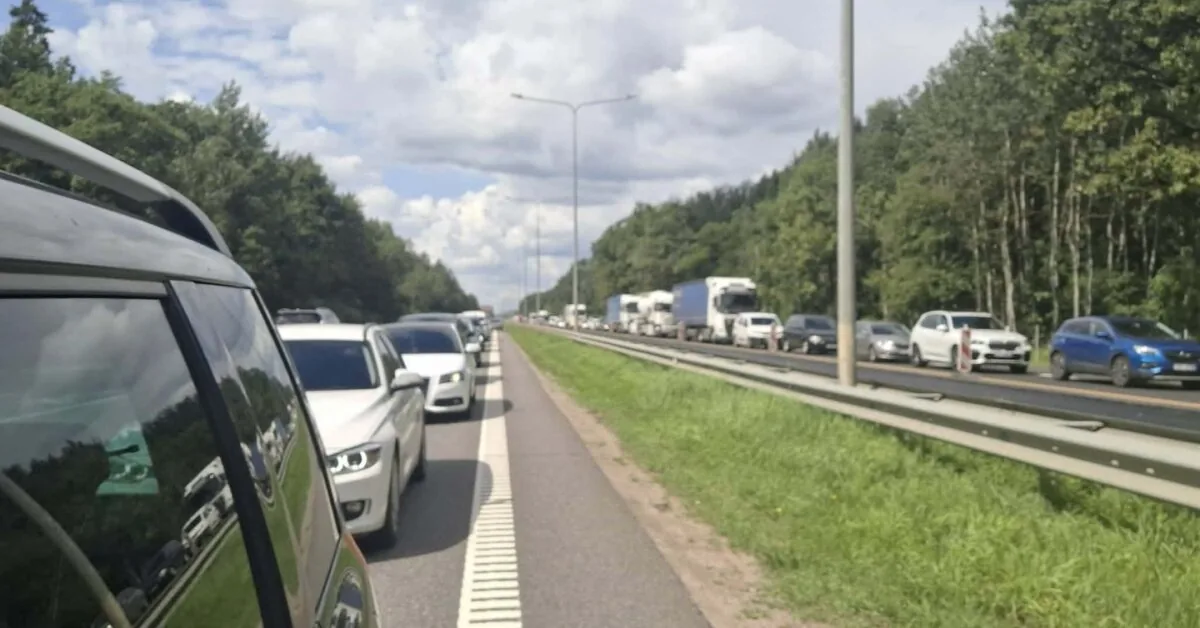
Currently, 69 public transport routes operate in the city, covering the most distant neighborhoods. Many of them continue through the city center, so at some stops in the central part of the city, about 20 or more different routes stop.
The Sustainable Mobility Plans Commission approved the planned public transport route optimization in Kaunas. This issue will also be decided at the city council meeting on October 15.
Read more A new gymnasium begins to rise in Vilnius: a capsule for future generations has been buried