As wildlife videos are one of the fastest-growing content niches on the internet, this is confirmed by the latest scientific data. A study published in the prestigious journal Nature Communications Sustainability revealed that wildlife and educational content occupy a significant place in the YouTube ecosystem, which is used by more than 2.5 billion active users monthly.
Read more Outbursts of dissatisfaction in England: should the decisive Argentine goal not have been counted?
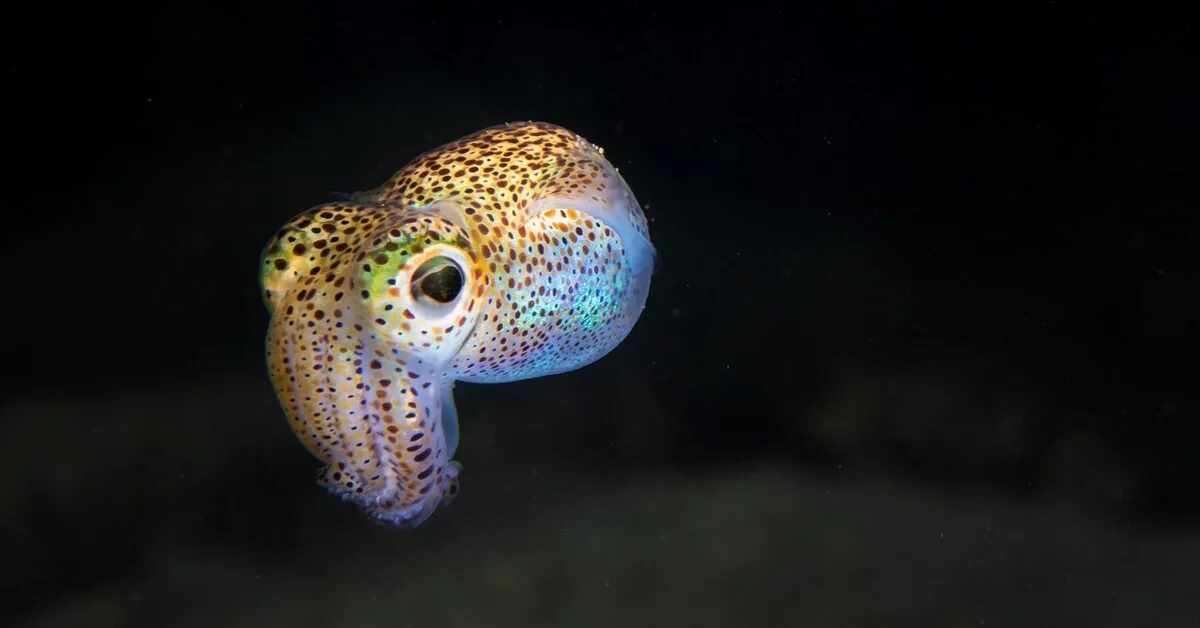
The authors of the study calculate that the category “Pets and Animals,” which includes wildlife videos, accounts for about 6.4% of all content published on the platform. According to the researchers, such videos regularly gather millions of views and stand out with very high audience engagement.
An example of such success is the famous British wildlife artist Robert Fuller. To better understand bird behavior himself, he hid cameras in birdhouses. Today, his YouTube channel, broadcasting live images from owl, woodcock, or seal nests, has surpassed one million subscribers and averages 2.8 million views per month.
Not difficult even for beginners
According to Telia’s video surveillance solutions expert Saulius Kalašnikov, until recently, capturing a flying or nesting bird in high quality required professional and expensive equipment, but artificial intelligence solutions are fundamentally changing the situation. Modern cameras can automate many processes that previously required considerable experience and technical knowledge.
“Artificial intelligence has greatly lowered the barriers for beginner nature photographers. Modern cameras instantly recognize the eyes of animals and birds and can track them perfectly, even if the subject moves very quickly or chaotically. A person no longer needs years of experience or special skills to manually adjust image sharpness – it is enough to point the lens in the right direction, and the technology does the rest, maintaining high image quality,” says S. Kalašnikov.
According to the expert, artificial intelligence helps not only in photographing or filming but also in processing accumulated material, for example, simplifying editing processes, helping select the best shots, and even improving video quality in poor lighting conditions.
Diversity of video broadcasts
According to S. Kalašnikov, the popularity of live video broadcasts was especially boosted by the coronavirus pandemic when people’s ability to travel and visit public places was severely limited.
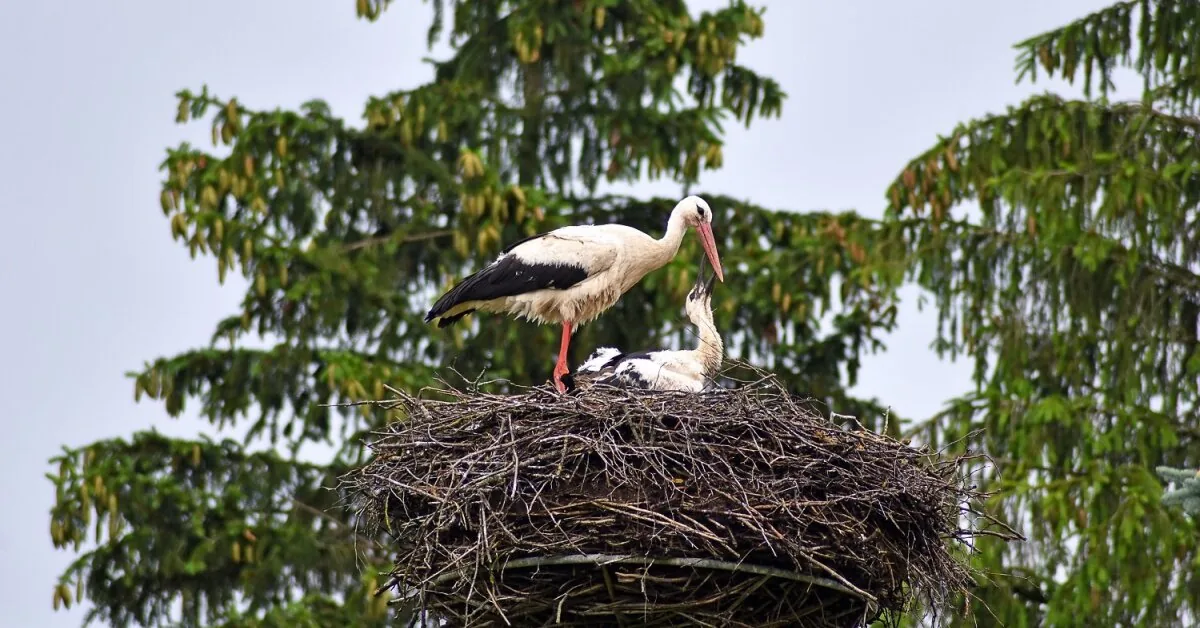
According to him, today it is easy to find many live-streaming cameras from various places in Lithuania by entering keywords like “cameras” and “broadcasts” online, for example, from the Palanga bridge, Cathedral square, or even from a black stork nest feeding newly hatched chicks. According to S. Kalašnikov, the opportunity to observe authentic life is one of the main reasons why wildlife broadcasts attract such great interest.
“Viewers are attracted not only by aesthetic images but also by the emotional connection with the animals being observed, the opportunity to follow their daily lives, worry about the hatched chicks, or wait for their first flight. It is no coincidence that stork broadcasts receive great attention – after all, storks have special significance in Lithuania, and the opportunity to closely observe this bird’s life allows a stronger connection with our nature and Lithuanian traditions,” shares S. Kalašnikov.
Not limited to views only
According to Telia’s video surveillance solutions expert, due to technological advances, a much wider range of people can create quality nature content today. Although there is no publicly announced uniform income formula for all creators, various sources indicate that authors can earn from a few to several dozen US dollars per thousand views on the YouTube platform. Therefore, a video that reaches a million views can generate up to several tens of thousands of dollars in revenue, depending on the audience’s geography, advertising market, and other factors.
According to S. Kalašnikov, nature video content has no language barriers, so it easily reaches audiences in various countries worldwide, including the USA and the United Kingdom, where advertising rates are higher. A large audience opens opportunities to receive viewer support, collaborate with brands, and sell branded merchandise.
“At first glance, a common image from a stork nest can become not only an interesting nature observation project but also the basis for a video content channel attracting an international audience. Not only storks but also other birds living in Lithuania have the potential to become internet stars. If people worldwide can watch owls or seals for hours, why couldn’t the nightingale from a Lithuanian forest become the next global sensation?” concludes Saulius Kalašnikov.
Read more «Nevėžis» invites a point guard starting a professional career to join its ranks