






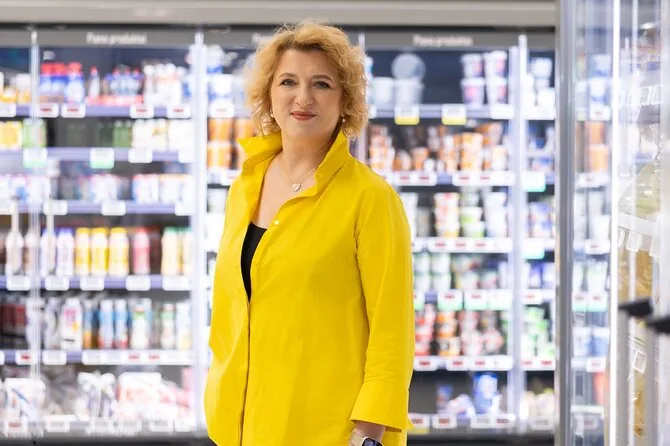
“Energy projects are not a one-time investment – they are a long-term solution that helps reduce operating costs, greenhouse gas emissions, and dependence on electricity price fluctuations. We are consistently increasing the amount of electricity we produce ourselves and will continue to develop this direction, aiming to produce at least 30% of the required electricity ourselves by 2030,” says Nijolė Kvietkauskaitė, CEO of “IKI Lietuva.”
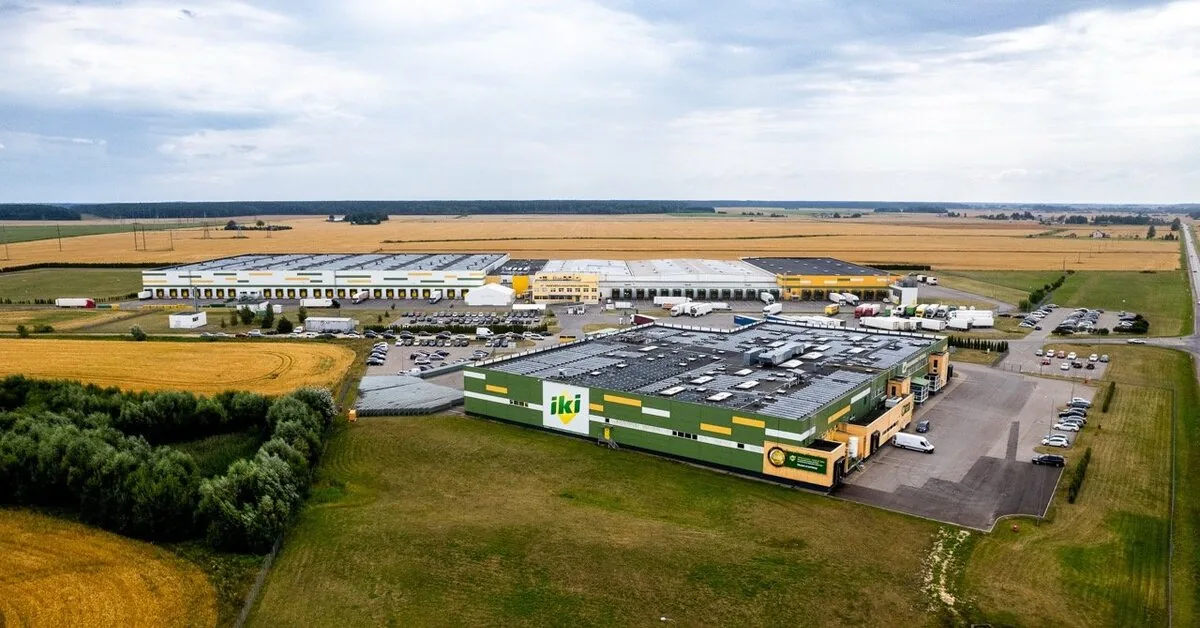
Over the past year, the “Iki” retail network has continued to expand its own solar energy infrastructure. In 2025, an additional 1.1 MW of solar power plants were installed on store roofs, and by the end of the year, own electricity production capacity reached 10.9 MW. This means that the company produces one out of every eight kilowatt-hours consumed from renewable sources itself.
“Iki” investments in renewable energy projects last year amounted to more than half a million euros in total.
For all its managed and owned buildings, “Iki” also purchases only green electricity. In 2024, such electricity accounted for 64% of all energy consumed, and over the past year, this figure increased to 80.2%. At the same time, the company is consistently reducing energy demand – electricity consumption per square meter per year decreased by 4% – from 457 to 439 kWh.
Read more Meteorological Service: July was the hottest month in France in the history of observations
Several measures help achieve this. Centralized control systems are already operating in all network buildings, allowing real-time regulation of heating, cooling, lighting, and other engineering systems. Cooling equipment is being modernized – freon is being replaced by more environmentally friendly solutions, and advanced “Waterloop” systems are being installed in new and renovated stores. Eleven stores also have electricity storage units that allow energy to be stored when the solar power plant produces more than needed and used later when electricity is most expensive on the market.
“The greatest impact is not from one large project, but from many consistent solutions. Solar power plants, smart building management, more efficient cooling systems, or LED lighting – all these solutions together reduce energy consumption and at the same time strengthen business resilience,” says N. Kvietkauskaitė.
“Iki” is also continuing to expand the electric vehicle charging network – by the end of last year, more than 200 charging points were already operating at 52 stores.