El Ninjo – a natural climate phenomenon that recurs every two to seven years. During it, the water surface in the central and eastern Pacific Ocean becomes warmer than usual.
Read more Ministry – for land tax relief for vulnerable persons, association disagrees
This changes ocean currents, winds, and precipitation distribution in various parts of the world, and also affects marine ecosystems.
These changes are already reflected in the world’s fisheries, writes wired.com.
Experts explain that when the trade winds weaken near the coasts of South America, less cold, nutrient-rich water rises to the surface.
As a result, plankton, which anchovies feed on, decreases, so these fish retreat to deeper waters, and their stocks diminish.
Read more Lithuanian women’s national team finished sixth in the European Championship
Peruvian anchovy fishing is one of the most important in the world – these fish are used not only for food but also for the production of fishmeal and fish oils. Smaller catches can affect feed supply for aquaculture and livestock farming, and in the long run – contribute to changes in the prices of some food products.
Others rejoice in abundant catches
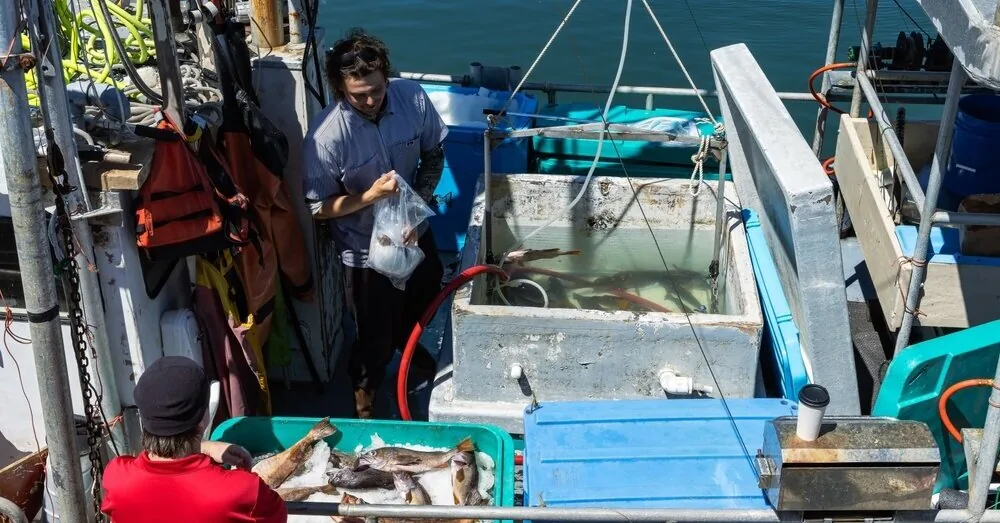
However, El Ninjo does not only have losers. Fish that prefer warmer waters, such as tuna, migrate closer to the American coasts, so fishermen in Southern California are recording unusually abundant catches this season.
Scientists emphasize that with climate change warming the world’s oceans, similar fluctuations may occur more frequently in the future. This would mean increasing challenges for both the fishing sector and the food supply chains dependent on it.
Read more 43-year-old Kristina Meseguer took off her clothes: showed off her well-groomed body