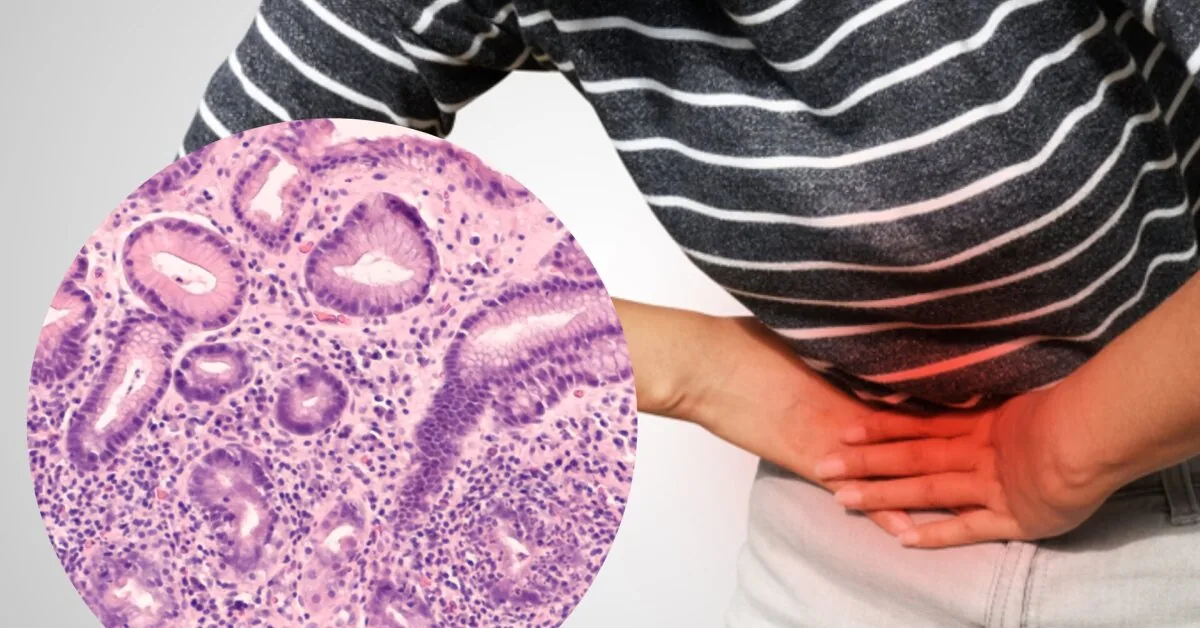










Large-scale information on HPV trends in Lithuania
Since 2022, when high-risk HPV testing was introduced as the primary screening method for women aged 35–59 in the state-funded cervical cancer prevention program in Lithuania, the State Pathology Center (VPC) has conducted more than 100,000 HPV tests, including both state-funded and paid tests, according to a press release.
Read more Surprising numbers: this many Poles do not drink alcohol at all
Analyzing 16,300 HPV-positive test results, it was found that more than 70% of HPV-positive tests detected other high-risk HPV types, not the most oncogenic HPV-16 or HPV-18. This confirms that more detailed viral genotyping (a genetic test that helps identify specific gene variants) provides important information when assessing an individual woman’s situation.
During the program, HPV was detected in about 10% of cases. Meanwhile, among women who chose paid HPV tests, the proportion of positive results was about 30%. This difference is expected because the state-funded program screens a general age-selected population, most of whom have no complaints, while paid tests are more often chosen by women at risk or seeking more detailed examination.
Since one woman could be tested more than once, different samples were evaluated in different analyses – the total number of tests performed, unique patient data, or groups of repeatedly tested patients.
Analyzing more than 12,000 unique patients’ genotyped HPV tests performed between 2022 and 2026, it was found that HPV-16 was the most frequently detected (23.3% of cases). The second most frequent was HPV-31 (12.8%), while HPV-33, HPV-51, HPV-52, HPV-56, HPV-66, and HPV-68 types were found in about 8–10% of patients. Meanwhile, HPV-18 was detected in 6.2% of patients and did not rank among the ten most frequently detected high-risk HPV types.
“VPC data is not a national registry of HPV prevalence across Lithuania, but due to the large volume of tests performed, it allows assessment of HPV type distribution trends in our studied population. The high-risk HPV genotyping performed by VPC identifies 14 HPV types and provides doctors with more information to assess individual women’s risk and select treatment or monitoring strategies,” says Miglė Grigalevičienė, Deputy Director for Administration at the State Pathology Center.

Different HPV types carry different risks
The human papillomavirus group includes more than 200 virus types, some of which are classified as high-risk types. Most HPV infections are temporary and disappear on their own within a few years. However, persistent high-risk HPV infection is one of the most important factors associated with the risk of precancerous cervical changes and cancer development.
Precancerous changes are considered moderate and high-grade cervical epithelial changes (medically classified as CIN2, CIN3, and AIS categories, collectively referred to as CIN2+). Early detection and treatment can prevent cancer development.
VPC analysis showed that different high-risk HPV types may be differently associated with these changes. Among patients with a single HPV-33 infection, CIN2+ changes were found in 42.2% of cases – a similar proportion as in the HPV-16 group (42.6%). The proportion of CIN3+ changes in the HPV-33 group was even higher – 32.6%, compared to 29.3% in the HPV-16 group.
Meanwhile, HPV-68 showed a completely different profile – in this analysis, no CIN2+ changes were found among patients with a single HPV-68 infection. These differences illustrate why it is necessary to know the specific virus type when assessing infection.
Read more Inflation in the eurozone accelerated to 2.9% in July.

Persistent HPV infection – the most important signal for closer monitoring
The VPC analysis evaluated 4,000 patients who had at least two genotyped HPV tests within two years. Upon retesting, the same HPV type was detected in 50% of cases (persistent infection). Among these patients with persistent HPV infection over time, CIN2+ changes were found 3.4 times more often (23.3% of cases) than in those whose infection disappeared (6.9% of cases). This shows that not only the HPV type itself but also the persistence of infection over time are important factors in assessing individual risk.
“When receiving a positive HPV result, it is important to know not only that the virus was detected but also its type and whether the infection persists. This information allows the doctor to more accurately assess the risk and select the most appropriate further examination, treatment, and monitoring plan,” says Elektra Teiberienė, Head of the Women’s Clinic at the Center’s Polyclinic and obstetrician-gynecologist.

Preventive screening remains essential
State-funded HPV vaccination for girls in Lithuania began in 2016. Currently used nine-valent HPV vaccine protects against seven high-risk oncogenic HPV types: 16, 18, 31, 33, 45, 52, and 58. VPC analysis also showed that the high-risk HPV types covered by the vaccine were most often associated with a higher proportion of CIN2+ changes.
The vaccine protects against the highest-risk HPV types but not all possible high-risk virus types, so preventive screening remains important even for vaccinated women.
The first girls vaccinated under the state-funded HPV program will be eligible to participate in the cervical cancer prevention program by age 25 – approximately from 2030. Then it will be possible to more thoroughly assess how vaccination changes HPV type prevalence and the structure of precancerous changes in the population studied by VPC.
Main insights from the VPC analysis:
• More than 100,000 HPV test data were analyzed, allowing assessment of high-risk HPV type prevalence and diagnostic trends in a large studied population.
• More than 70% of positive HPV tests detected other high-risk HPV types than HPV-16 or HPV-18, so a positive HPV test alone is not sufficient to assess individual risk.
• In cases of HPV-33 infection, CIN2+ precancerous cervical changes were detected almost as frequently as in HPV-16 infection cases, although HPV-33 is mentioned much less frequently in the population.
• Persistent infection with the same HPV type was associated with a 3.4 times higher risk of CIN2+ changes than in cases where the infection did not persist, emphasizing the importance of repeat testing and infection monitoring.
Read more Iranians say two tankers hit in the Strait of Hormuz, escorted by US aviation