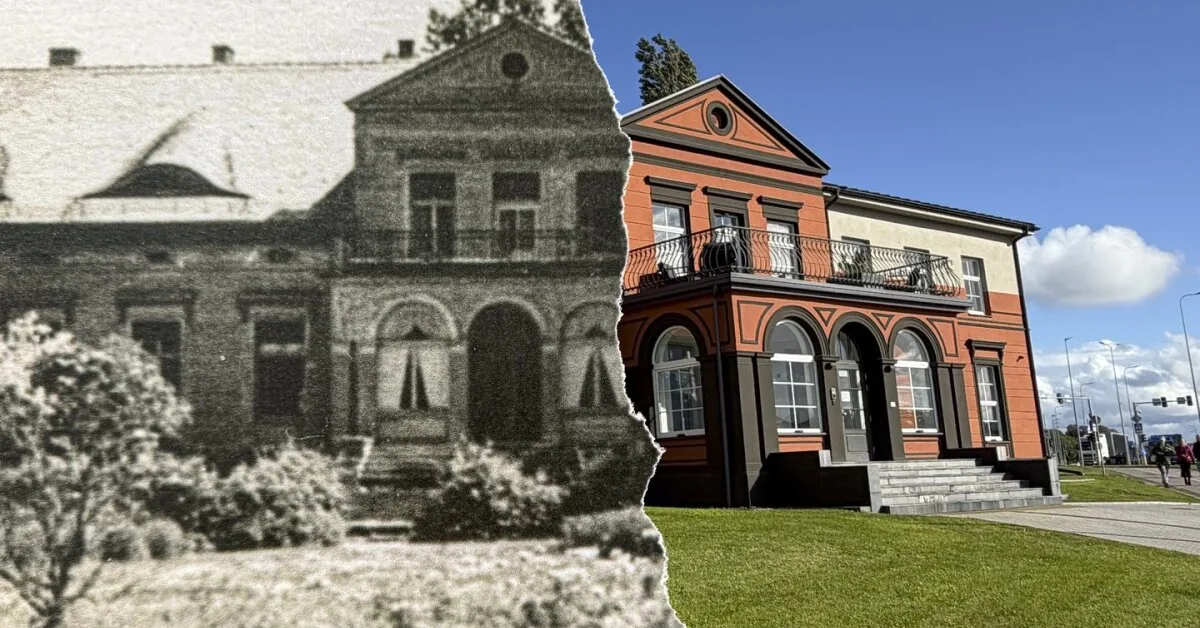
The Heritage Commission does not propose specific restoration solutions for the Nemirseta Kurhaus; however, in its assessment, decisions regarding the future of the object must first be based on comprehensive research, taking into account the circumstances of long-term neglect and the broader situation of the Cultural Heritage Register. Such issues must be addressed systematically, not on a case-by-case basis.
Read more Minister of Finance: More funds will be needed for ESO storm compensations
In 2026, the Heritage Commission was provided with information about a planned tripartite agreement between the Department of Cultural Heritage, the Palanga City Municipality, and the manager of the Nemirseta Kurhaus. According to the proposed model, after removing the building’s legal protection, the authentic remains of the Kurhaus would be demolished, and a replica would be built elsewhere on the plot, further from the street. The agreement had already been approved by the object’s manager and the Palanga City Municipality administration, but the Department of Cultural Heritage had not yet approved it and indicated that the content of the agreement needed to be clarified.
First – comprehensive research
The Heritage Commission expresses particular concern about the lack of comprehensive studies of the Nemirseta Kurhaus building to date. As early as December 19, 2016, the Palanga City Municipality’s Real Estate Cultural Heritage Evaluation Council noted the “need to conduct detailed architectural, structural studies, and measurements,” but these works have not yet been carried out.
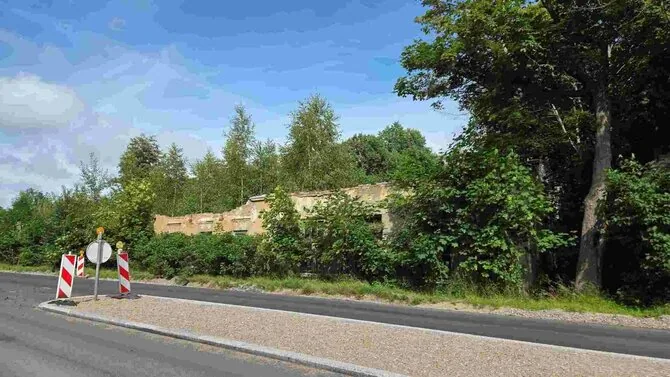
According to the Heritage Commission, in cases of deteriorating cultural heritage objects, comprehensive research, measurements, and documentation should be among the first steps. They provide the basis for an objective assessment of the object’s condition, determine the extent of surviving valuable features, and maximize the preservation of authentic information about it. Only an evaluation based on such data can serve as a foundation for decisions regarding the object’s future and possible preservation methods.
“Therefore, at this time, the Heritage Commission does not propose specific restoration solutions for the Nemirseta Kurhaus. Before making such decisions, comprehensive research must first be conducted and data collected that allow a justified assessment of its condition, surviving authentic material, and possible further actions,” says the Chair of the Heritage Commission, Associate Professor Dr. Vaidutė Ščiglienė.
The current condition cannot be separated from long-term neglect
The Nemirseta Kurhaus was entered into the Cultural Heritage Register in 2009, and in 2017 its valuable features were specified, its architectural, historical, and landscape character was determined, and a local significance level was assigned.
The Heritage Commission drew attention to the object’s emergency condition as early as 2016–2018, addressing the Department of Cultural Heritage and the Palanga City Municipality and raising issues of the object’s preservation, its valuable features, and the manager’s responsibility.
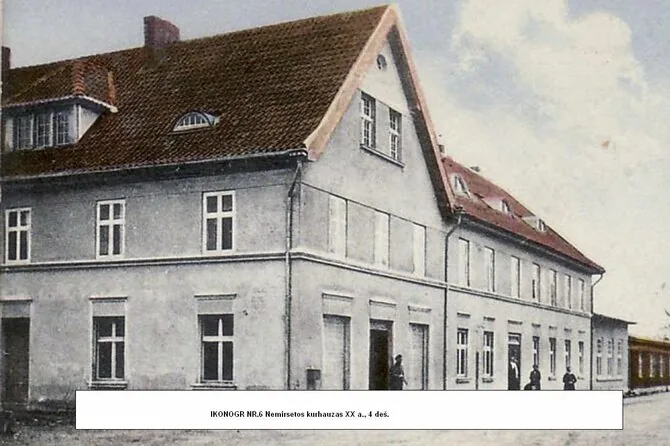
“According to the Heritage Commission’s assessment, the current condition of the building cannot be evaluated separately from the long-term and systematic neglect of the object. Nearly a decade ago, issues of the building’s emergency condition, ensuring its stability, and the manager’s responsibility were raised. Therefore, when deciding on the object’s legal protection, it is important to assess not only its current physical condition or the extent of surviving valuable features but also the reasons and circumstances that led the object to reach such a state,” adds the Chair.
Read more New US tariffs on drones have come into effect
The Heritage Commission warns about precedent and possible heritage protection practice
According to the Heritage Commission, linking the removal of legal protection to the deterioration or loss of valuable features of a cultural heritage object, without considering the manager’s responsibility for possible insufficient maintenance or failure to fulfill obligations, does not encourage the preservation of cultural heritage. On the contrary, it may create conditions for abuse and possibly deliberate neglect of the object to replace the historic building with new construction in economically attractive areas.
The current legal regulation does not provide a preservation model that allows replacing an authentic cultural heritage object with its replica in another location (only very exceptional cases of heritage object relocation or restoration are foreseen), so such directional decisions cannot be considered a systematically applicable heritage protection measure. This approach risks forming a heritage protection practice that does not meet the goals of cultural heritage protection, which focus on preserving authenticity rather than replacing it with imitative solutions.
The Heritage Commission also notes that the removal of cultural heritage from the Cultural Heritage Register is a strictly regulated administrative procedure that can only be applied in exceptional cases provided by law and cannot be based on individual agreements.
“The case of the Nemirseta Kurhaus is important not only as a question of the fate of a specific building. The Heritage Commission also draws attention to the practice that such a decision could form in the future when deciding on other deteriorated or partially lost valuable features of cultural heritage objects,” notes Dr. V. Ščiglienė.
The Nemirseta case – a broader systemic issue
The Heritage Commission views the situation of the Nemirseta Kurhaus in the broader context of the cultural heritage protection system. The Cultural Heritage Register includes severely deteriorated and, in some cases, practically non-existent objects. Therefore, questions about the appropriateness of their presence in the Cultural Heritage Register are not unique to the Nemirseta Kurhaus and should not be addressed episodically, each time a separate case arises.
The Heritage Commission proposes addressing such issues not on a case-by-case basis but systematically, based on a list previously compiled by the Department of Cultural Heritage of immovable cultural heritage objects for which the removal of legal protection is proposed as a priority.
This model would allow objects in similar condition to be evaluated consistently and according to pre-established objective criteria, ensure more transparent decision-making, and enable the problems of the Cultural Heritage Register to be addressed systematically rather than through isolated cases that attract public or media attention.