The scale of the disaster became clear after mysterious thick foam dispersed on the beaches.
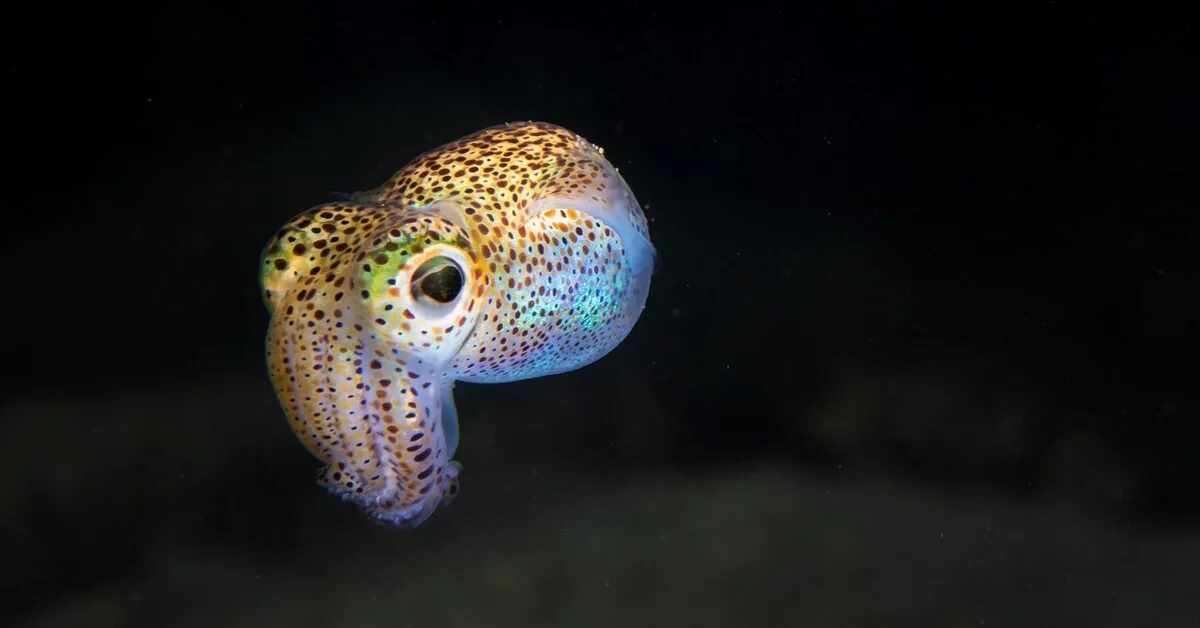
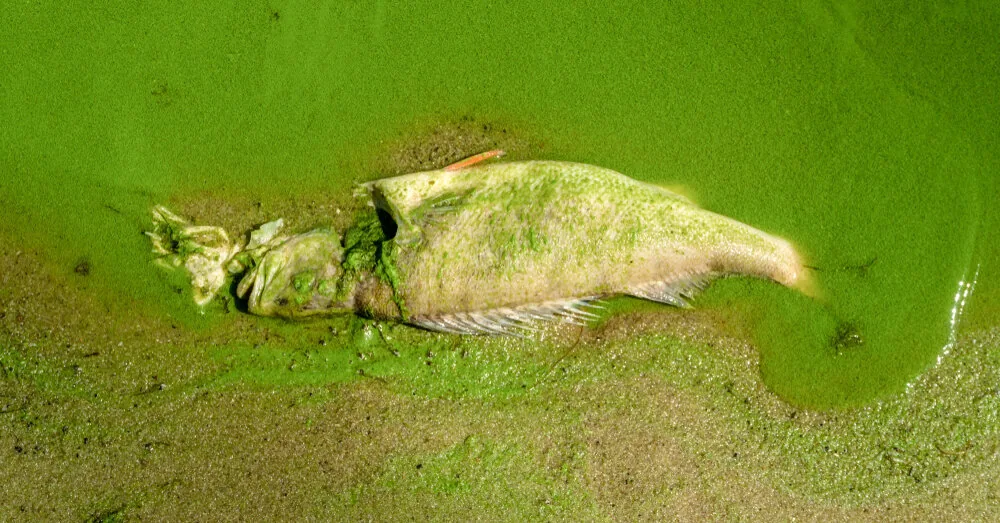
It was accompanied by the death of thousands of fish, octopuses, and seahorses, and local surfers experienced severe poisoning symptoms – persistent cough, sore throat, and suddenly deteriorated vision.
A study published in the prestigious scientific journal “Nature Ecology & Evolution” revealed that these microalgae are incomparably more dangerous than previously thought.
Researchers from the University of Technology Sydney examined these microalgae in the laboratory and discovered their destructive power.
It turned out that the algae are highly toxic even at very low concentrations in water.
It was found that this strain of algae is ten times more toxic than any other microalgae of the same group studied worldwide so far.
Read more Next week in Washington, the Prime Minister of Iraq will meet with Donald Trump
The danger can lurk in any corner of the world
Until now, it was believed that the greatest threat was posed only by warm-water algae, but this discovery proves that organisms armed with toxins ten times stronger thrive well even in cold water.
Scientists warn that this discovery is no longer limited to one region – similar toxic algae zones can unexpectedly flourish on any coastline in the world where suitable conditions arise.
Moreover, danger hotspots remain active for a very long time – these algae do not completely disappear from the coasts even a year after their first bloom.
Currently, researchers are urgently trying to find out which environmental factors and ocean changes stimulate this deadly bloom so that in the future it will be possible to timely predict and prevent ecological tragedies and protect residents.
Read more «Kauno Žalgiris» introduced a newcomer from Croatia