




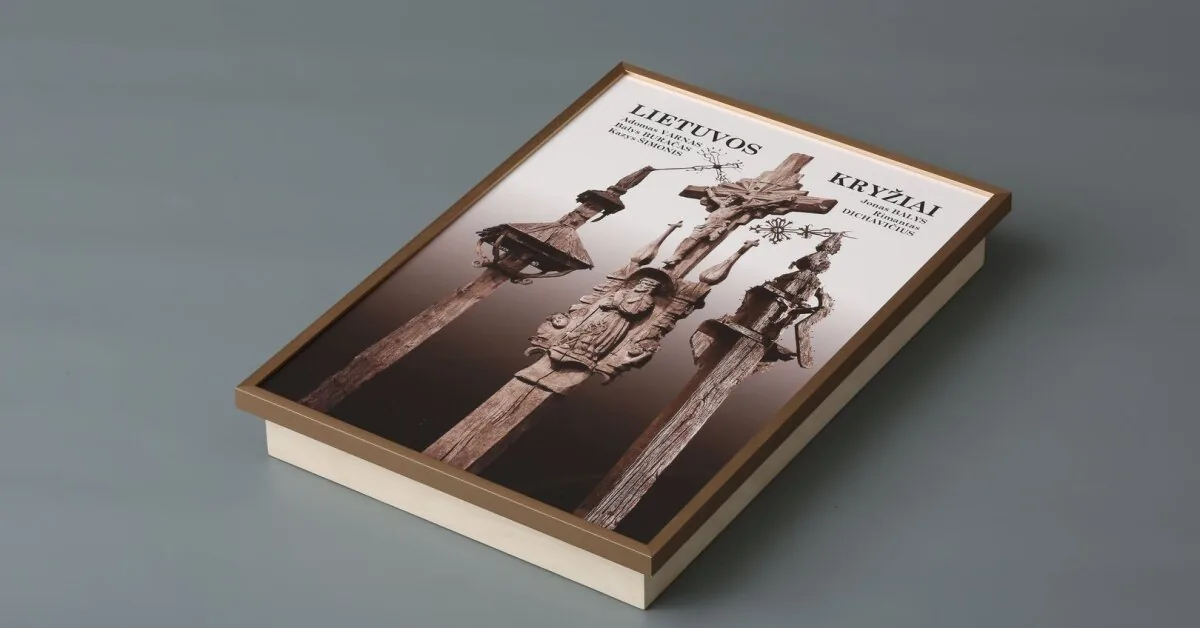
The author of this representative collection is the well-known painter and photographer Rimantas Dichavičius, who continued the nearly century-long tradition of documenting Lithuanian crosses, inspired by the creative legacy of Adomas Varnas. One copy of the collection is kept at the Lithuanian National Museum, and another was handed over to the National M.K. Čiurlionis Art Museum.
Read more “Anthropic” AI models illegally accessed “real world” systems during testing
Artist Adomas Varnas (1879–1979) is one of the most prominent, yet today unjustly forgotten figures of Lithuanian culture. He was a painter, graphic artist, theater set designer, teacher, and photographer who significantly contributed to the creation of the modern Lithuanian state – independent Lithuania’s paper money was printed according to his designs, he created postage stamps, posters, collected Lithuanian folk art, photographed crosses, and encouraged others to do the same.
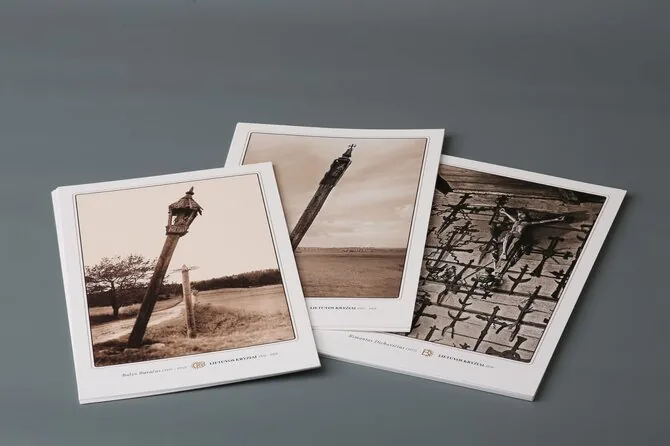
A. Varnas paid special attention to folk creativity and called wooden crosses “our pyramids.” As early as 1925, he foresaw that a consistently documented collection of these sacred monuments would gain global significance in the future. Today, 1988 negatives of his are preserved in museums, capturing Lithuanian small sacral architecture monuments photographed between 1921 and 1929.
This exceptional legacy was recently published in a detailed album-catalogue of the Lithuanian National Museum, compiled by Skaidrė Urbonienė. The publication reveals the tradition of cross-making in Lithuanian regions during the 19th–20th centuries, which UNESCO inscribed in 2008 on the Representative List of the Intangible Cultural Heritage of Humanity.
Adomas Varnas’s vision became an important source of inspiration for the next generation of creators. In 1959, while studying at the then Art Institute, Rimantas Dichavičius participated in an ethnographic expedition led by Professor Pranė Dundulienė. Assigned to draw old homesteads, farm tools, water mills, crosses, and chapels, he discovered a theme that became his lifelong creative passion. The work of documenting Lithuanian crosses started by A. Varnas encouraged R. Dichavičius to travel across Lithuania for decades, recording the vanishing heritage of folk art.
Read more A homestead robbed in Lazdijai district: thieves took tools worth almost 2.5 thousand euros
Despite persecution by the Soviet authorities, police detentions, and seeing crosses and chapels destroyed by bulldozers, R. Dichavičius created one of the most significant cycles of Lithuanian ethnographic photography.
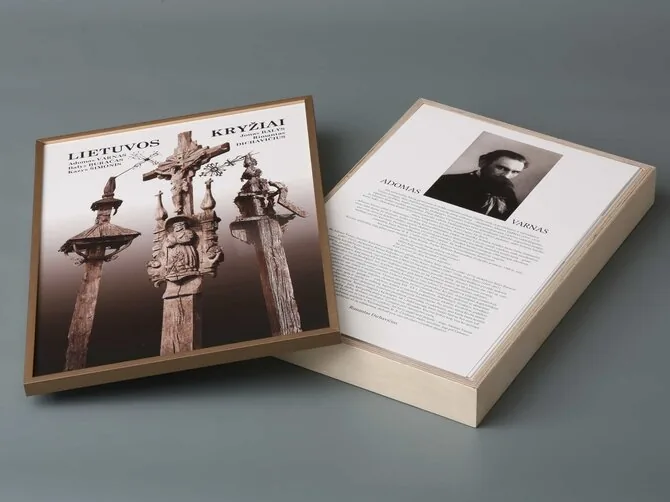
In 2023, the author donated this unique archive of photographs to the Lithuanian National Museum. Now, the representative photographic collection he created is presented to the public, containing 100 large-format reproductions of works by Adomas Varnas, Balys Buračas, Kazys Šimonis, Jonas Balis, and Rimantas Dichavičius himself, reflecting more than a century-long history of documenting Lithuanian cross-making.
All images were printed on special archival paper ensuring longevity and the highest reproduction quality by Valdas Vilutis. An individual monogram mark was created for each author, subtly reflecting their connection to Lithuanian folk art. The photographs are placed in a wooden box specially made for this collection. Only two copies of this exceptional collection were created: one is kept at the Lithuanian National Museum, and the other was handed over to the National M.K. Čiurlionis Art Museum.
Read more Orai.lt: summer rains will cool the heat