


It is believed that the Roma began to settle in Troškūnai after the war, although this may be a much older story. According to local residents, this community has especially grown over the past several years, when many Roma families returned from emigration in the United Kingdom. Also, some newcomers arrived here from Panevėžys, Šiauliai, or even Vilnius.
Read more European giant adopts Ukraine’s experience: prepared a 350 billion euro plan
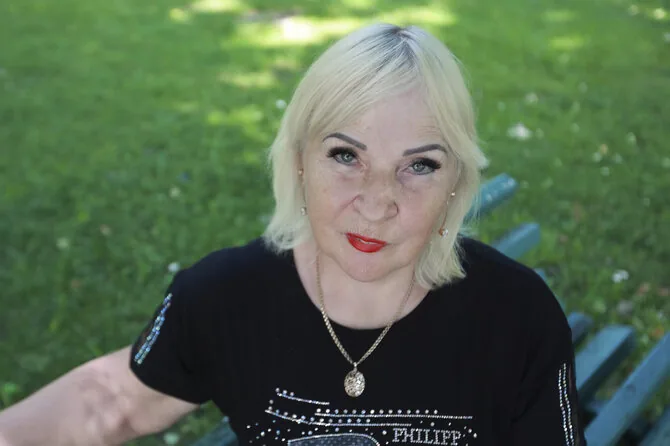
Visiting Troškūnai, I unexpectedly had the chance to meet longtime resident Liuba Janovičienė, known here as “baba Liuba.” Born and having lived almost her entire life in this town, she calls herself a true Troškūnai native and is glad that there is no division or discord between the Roma and other local residents.
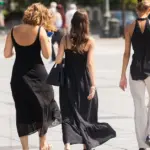
Indeed, observing daily life in Troškūnai, everything seems natural and self-evident – here, young people come into the store laughing. Everyone speaks Lithuanian, including a Roma teenager; they buy ice cream and all rush to the square in front of the church. You can also meet more Roma here – several mothers with strollers enjoy the shade on a hot summer day, a shirtless man passes by on a garden tractor – such a summery scene from the smallest town in Lithuania.
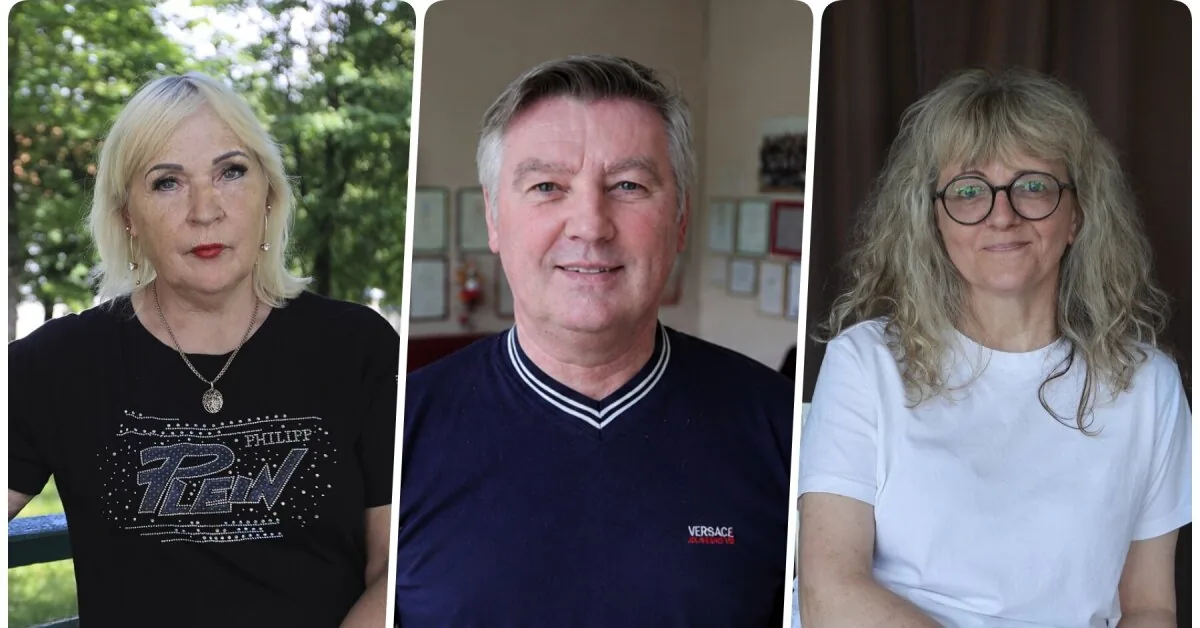
But is everything really so idyllic? We talked about the Roma community in Troškūnai, cultural differences, integration, and social life with Janina Čerkauskienė, the leader of the only Roma children and youth ensemble “Muzikos spalvos” in Lithuania, Troškūnai elder Rimantas Sereičikas, and the director of the Cultural Center Jolanta Pupkienė.
The Singing Roma and Their “Muzikos spalvos”
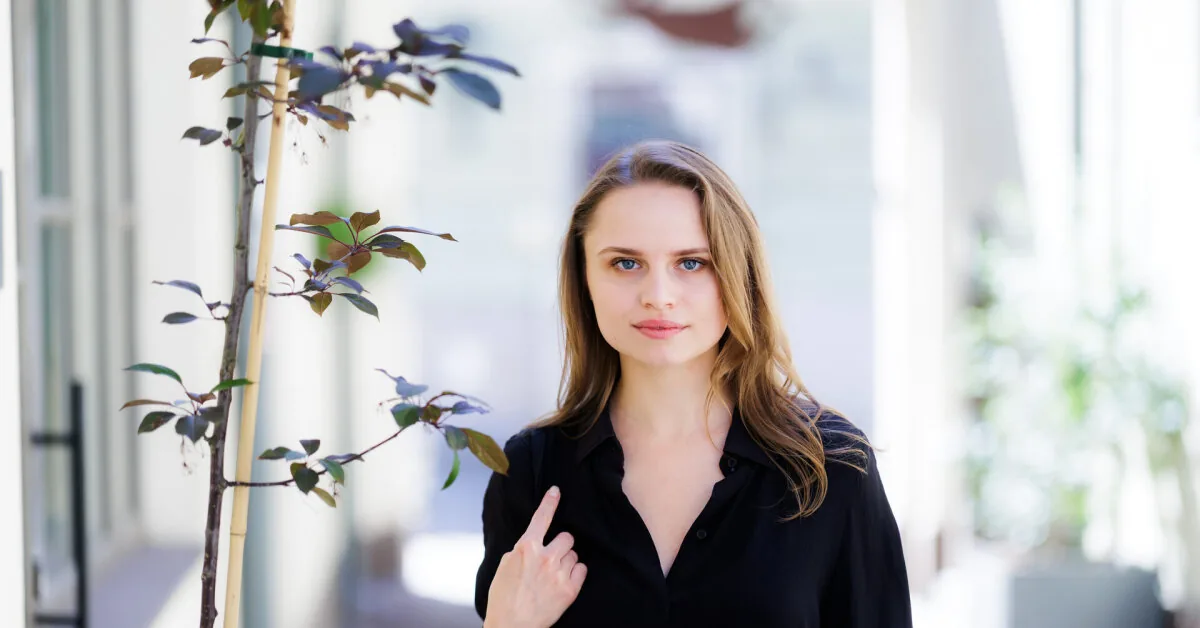
Janina Čerkauskienė, who has been a music teacher at Troškūnai Kazys Inčiūra Gymnasium for almost five decades, formed the Roma student ensemble “Muzikos spalvos” five years ago. She vividly remembers the mothers and grandmothers of her students, who also studied at this school several decades ago. Today, forty-seven Roma children study here.
“Previously, a few Roma children sang in the gymnasium choir, but I noticed they are very charismatic, like to move, and are also receptive to languages, so we formed a separate ensemble where mostly girls dance and sing,” the teacher said.
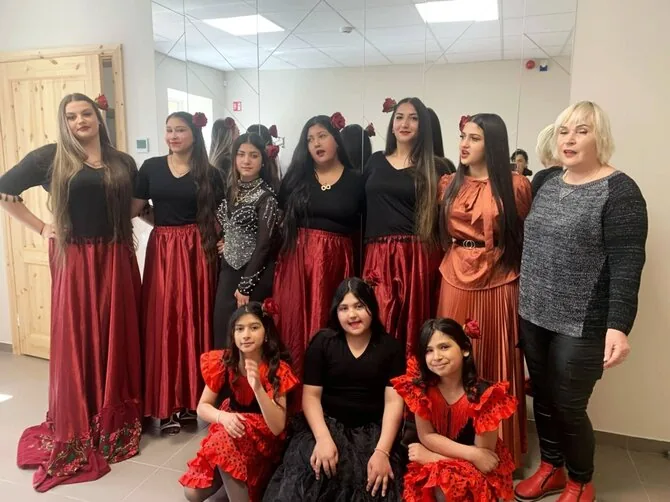
Currently, the group consists of two groups – younger and older students. The latter includes eight girls. However, according to the teacher, Roma children usually stop studying after the tenth grade, so there is quite a lot of rotation in this ensemble.
Traditionally, the Roma have always been known for their songs and dances, which is why the repertoire of “Muzikos spalvos” mainly consists of their own songs brought from their families. The ensemble also draws ideas from the internet.
“They really like Russian songs, but we agree that they can sing those at home, while in the ensemble we perform a different repertoire – Romani, Lithuanian, Ukrainian folk and contemporary songs. Among Lithuanian songs, they especially like the “Rondo” song ‘Egle, mano sese’ and Laima Masyte’s ‘Freedom.’ Among dances – the Roma polka, which with all its stomping they can dance for hours,” said the music teacher of Troškūnai gymnasium.
The ensemble often performs at various festivals and competitions: the children’s and youth ensembles and soloists festival “Spindulėlis” in Raguva, in Panevėžys, Rokiškis, Troškūnai celebrations, or nursing homes, as well as gymnasium events. “The girls really like to perform; it gives them great joy and pleasure,” the teacher said.
However, the biggest challenge, according to J. Čerkauskienė, is the lack of discipline among students. “We agree to leave for a concert at eight o’clock, but they gather at half past eight – makeup, hairstyle, jewelry are more important to them… And when the weather warms up, approaching summer, it is very hard to catch them – they start migrating, forget rehearsals, so we have to cancel performances where we were invited,” said the leader of “Muzikos spalvos.”
She also emphasized that in Roma tradition it is customary to sing very loudly, so one of the most important tasks is to teach the youth not to shout. “They don’t feel any difference between singing loudly and shouting, so it takes a lot of effort before they start to understand this difference.”
The teacher is especially proud of her student Valodia Bagdanavičius, who previously sang in the competitions “Dainų dainelė” and “Spindulėliai,” and last year won the grand young talent prize at the international Roma culture festival “Gypsy Fest” held in Vilnius.
“Valodia is a great helper to me,” the music teacher said, “he keeps order, manages discipline, and still sings himself, although he no longer studies at our school.”
One Roma family in Troškūnai has also formed their own ensemble, in which family members participate: the mother sings, the children play instruments, daughters-in-law and granddaughters dance.
According to her, one Roma family in Troškūnai has also formed their own ensemble, in which family members participate: the mother sings, the children play instruments, daughters-in-law and granddaughters dance. Their ensemble belongs to the Velžys Cultural Center, where they also often hold their colorful and lively performances.
“The Roma are an inseparable part of Troškūnai. This is obvious just by walking around our town, visiting the store or school. It has become a normal thing in the community, so conflicts or discord do not occur. Our children are friends with each other, and neighbors live harmoniously,” said music teacher J. Čerkauskienė.
Elder: “No Roma integration is happening”
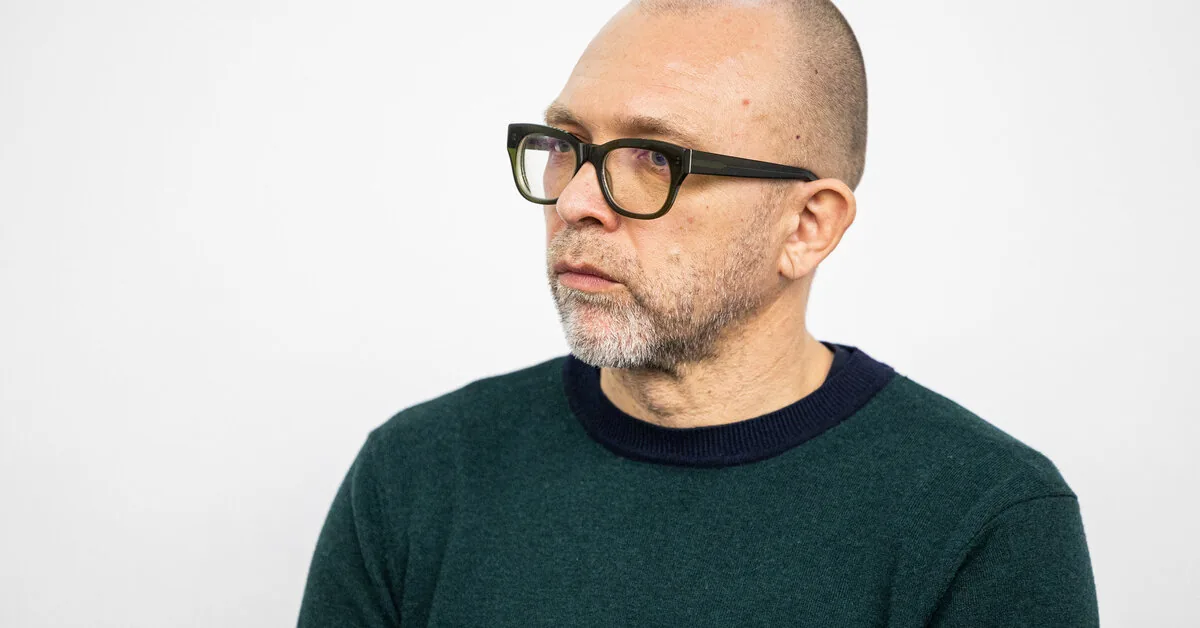
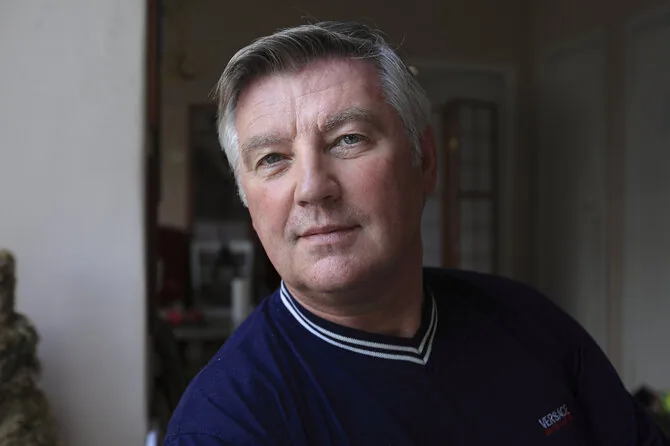
Troškūnai elder Rimantas Sereičikas painted a completely different – much gloomier – picture of the Roma issue in the town. According to him, if nothing fundamentally changes, Roma integration will take another hundred years. “They are absolutely integrated into our social system, know well the various benefits and opportunities they are entitled to, and live off that,” said the elder.
According to him, the real and only Roma integration happens exclusively at school, but usually their children study only until the eighth or tenth grade, then drop out and return to their closed family environment. “Then they have no dealings with our public life or labor market. It is completely uninteresting and foreign to them,” said R. Sereičikas.
Read more In Chile, a car driver ran over six people during a festival
According to the Troškūnai elder, although the Roma have many children, only a few have legalized marriages, which is due to pragmatism – higher benefits for single mothers. Moreover, children are primarily seen here as income. According to the elder, children are sent to school only because it is mandatory; if they do not go, social benefits will not be provided.
“This is the only obligation that the Roma have in Lithuania, and they fulfill it exclusively for money. And what next? Among fifty working-age people in Troškūnai, there is not a single officially employed Roma – all live on benefits. This means that it is not they who pay taxes to the state, but we, all working people, support them,” said the Troškūnai elder.
However, he admitted that some Roma take seasonal jobs – working in greenhouses or for farmers, but these are only isolated cases, and even those are episodic. “We have many more who receive benefits but have to perform community service – 40 hours per month. Guess how many of them work hard? Only grudgingly, evading, lying… I have encountered such cases at the elder’s office today and it happens constantly,” said the elder.
Asked if there are social or criminal problems related to the Roma in the town, R. Sereičikas denied it. “There is no ethnic discord in Troškūnai,” he said. However, according to the elder, many Roma live on the edge of legality and illegality. “How else to explain their purchased cars, houses, luxury items? It is not from thin air or benefits,” he said.
“There is no ethnic discord in Troškūnai,” he said. However, according to the elder, many Roma live on the edge of legality and illegality.
According to the elder, this lifestyle also explains why the Roma tend to settle not in big cities but in smaller towns, where they are further from the eyes of law enforcement.
He said that all talk about Roma being viewed negatively or not wanted in jobs in Lithuania is fabricated. “My experience shows the opposite – they do everything to avoid working. I encounter this constantly. These are obvious cultural and mental differences.”
Asked what should be done to fundamentally change the situation and make Roma integration smoother, R. Sereičikas said that without a clear state plan and program, nothing will change here.
“Now everything is left to self-regulation, and the Roma feel great about it. We used to call them ‘Gypsies,’ now ‘Roma,’ but their essence has not changed at all. I speak from what I see daily and realistically, not from nice theoretical declarations. I accept them as they are but do not hesitate to point out the existing problem,” said the elder.
In a few decades, the elder, doctor, and school principal in Troškūnai will be Roma.
At the end of the conversation, he joked that in a few decades, the elder, doctor, and school principal in Troškūnai will be Roma. The only problem is that none of them will have any diplomas. “Well, unless they buy them, like they now buy driving licenses.”
“These are our Roma”
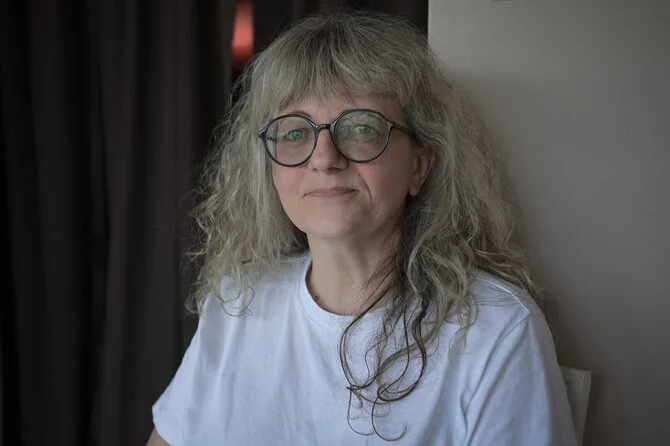
Longtime head of the Troškūnai Cultural Center and event organizer Jolanta Pupkienė said that every nation has inherent traits – some are viewed positively, some negatively. The same, she said, can be said about both Lithuanians and Roma.
“We cannot see and evaluate only negatively the people of another national minority living next to us. They are part of our community – a unique, different, differently thinking and seeing the world community. But these are our Roma, true patriots of the Troškūnai region,” said Jolanta, whose youth theater troupe is also attended by Roma children.
According to her, it is important that tolerance in the community comes from all sides; then harmonious coexistence and better mutual understanding are possible. “During all national holidays or recently held Troškūnai anniversary events, the Roma participated as an integral part of our town. Likewise, Roma ensemble performances regularly take place at our cultural center, and all town residents are gladly welcomed at these events. So culture is one of the ways to maintain and encourage this community,” said the cultural center director. Likewise, she said, gymnasium events do not go without active participation of Roma children, and their relatives gladly attend them.
Asked what steps, in her opinion, should be taken to avoid the problems described by the Troškūnai elder, J. Pupkienė named the necessity to meet and talk together.
“If we do not talk about it, how will we find common agreements? Maybe we should invite them more actively to meetings where town problems are solved – roads, infrastructure, garbage, maintenance of existing spaces, etc. If the Roma saw greater trust and accepted these problems as common to all of us, they would probably contribute more actively to finding solutions,” said J. Pupkienė.
In 2026, the Media Support Fund allocated 25 thousand euros in partial funding for the project “The Invisible Side of Culture.”
Read more Israeli parliamentary elections will be held on October 27