









Over the past century, humans have drastically changed ocean ecosystems.
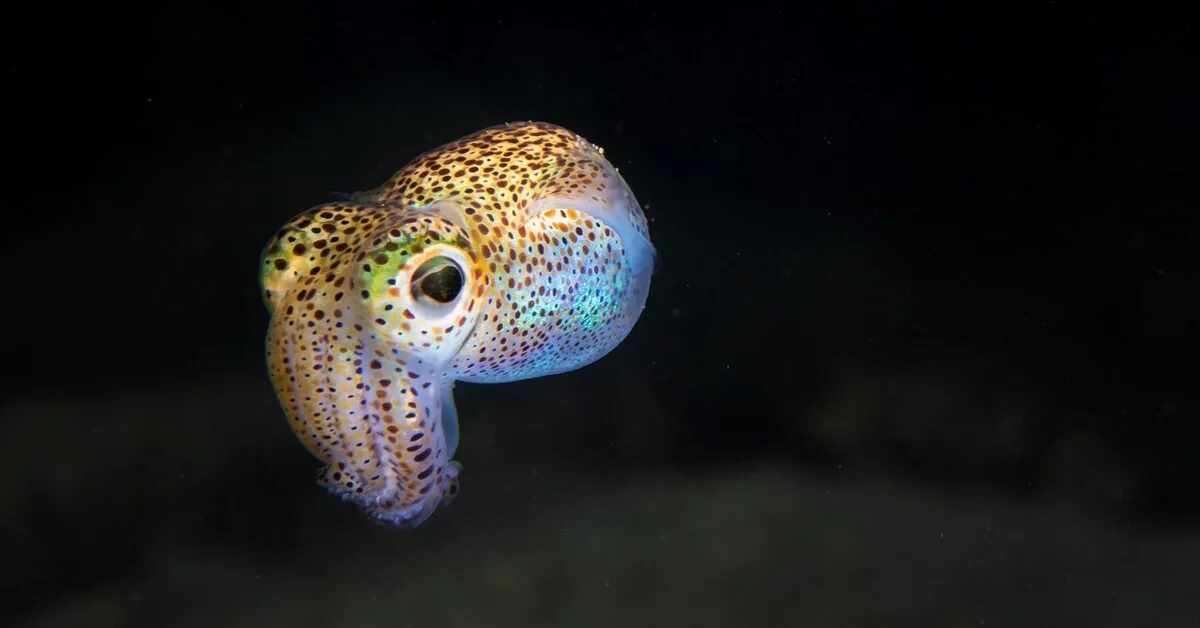
One of the stranger changes is the worldwide spread of tentacled animals called cephalopods, especially squids.
Read more Foreign Minister: US promises to continue pursuing the release of Belarusian political prisoners
Decades of ocean warming and overfishing may be linked to the increased number of squids.
However, scientists warn that we cannot necessarily expect them to fill the gaps left by fish stocks that have been affected by heat, depleted, or moved to other areas.
In 2016, a team led by scientists from the University of Adelaide analyzed six decades of data and found that cephalopod populations were increasing.
Their study showed that this growth occurred regardless of whether fishing was conducted in a particular area, “which suggests that these trends are driven by factors not solely related to intensified fishing.”
Scientists hypothesized that the squid population might have increased because species that normally control squid numbers were overfished.
However, since this trend was also observed in areas where fishing does not take place, scientists also suggested that rising ocean temperatures due to climate change might have an influence.
These are interesting hypotheses, but as marine biologist Rémy Denéchère and his colleagues write in their yet-to-be peer-reviewed study, “the proposed explanations for the historical increase in squid populations are speculative, and the main mechanisms driving this remain unclear.”
Scientists found that warmer waters do not necessarily mean that squids increase directly due to overfishing or climate change.
Read more Volodymyr Zelensky presented a new drone catcher designed for jet «Shaheds»
They used computer ecosystem models to theoretically assess how squids and other fish in the ecosystem could be affected by a reduced number of predators and changed water temperature.
When the number of large predators decreased due to overfishing, squid numbers increased, but this did not compensate for the significant reduction in predatory fish biomass.
Squids simply did not fill the void left by their predators.
This probably means that the number of squids in the oceans depends more on the resources available to them than on the number of predators hunting them.
However, fewer predators also mean more small fish remain in the ecosystem, which hungry squids can feed on. This provides them with indirect benefits, especially since squids can consume food equivalent to up to 30% of their body weight per day due to their rapid growth and active lifestyle.
On the other hand, the model showed that higher temperatures actually reduced squid biomass.
This may be because squids use more energy searching for food in warmer water, which does not necessarily increase in quantity.
“Our study showed that temperature and the decline of large predators do not respectively explain or only partially explain the historical increase in squid distribution,” write R. Denéchère and his colleagues.
Current data simply lacks detailed information to accurately determine how temperature changes will affect squids in the future.
Read more On the second day of parliamentary elections, Russia announces cyberattacks