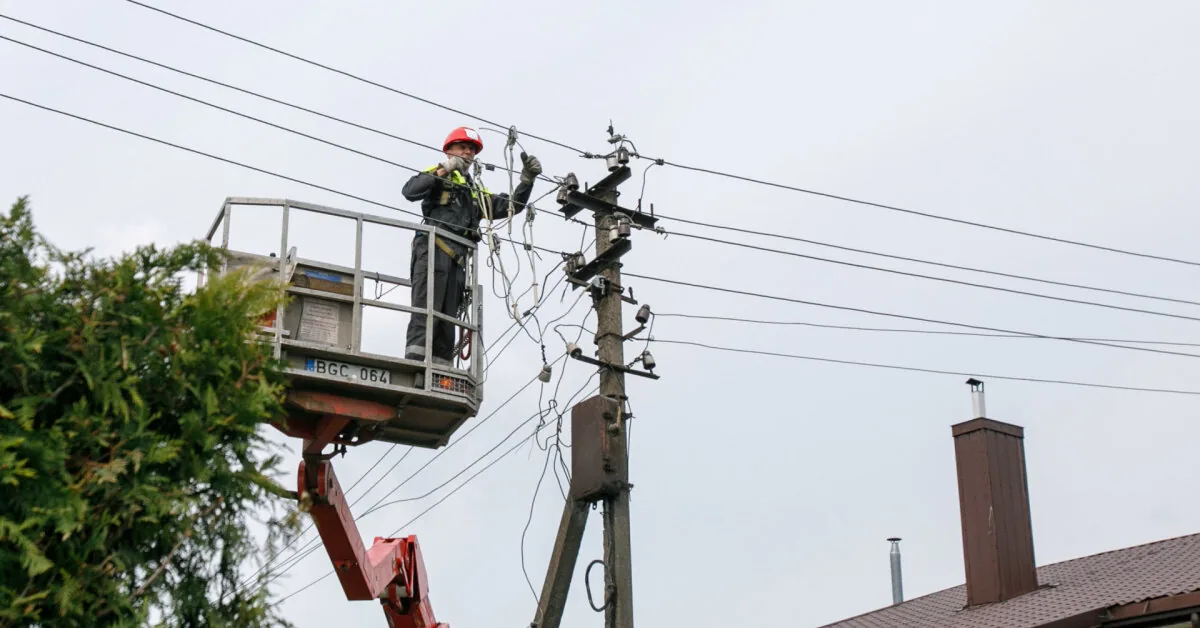









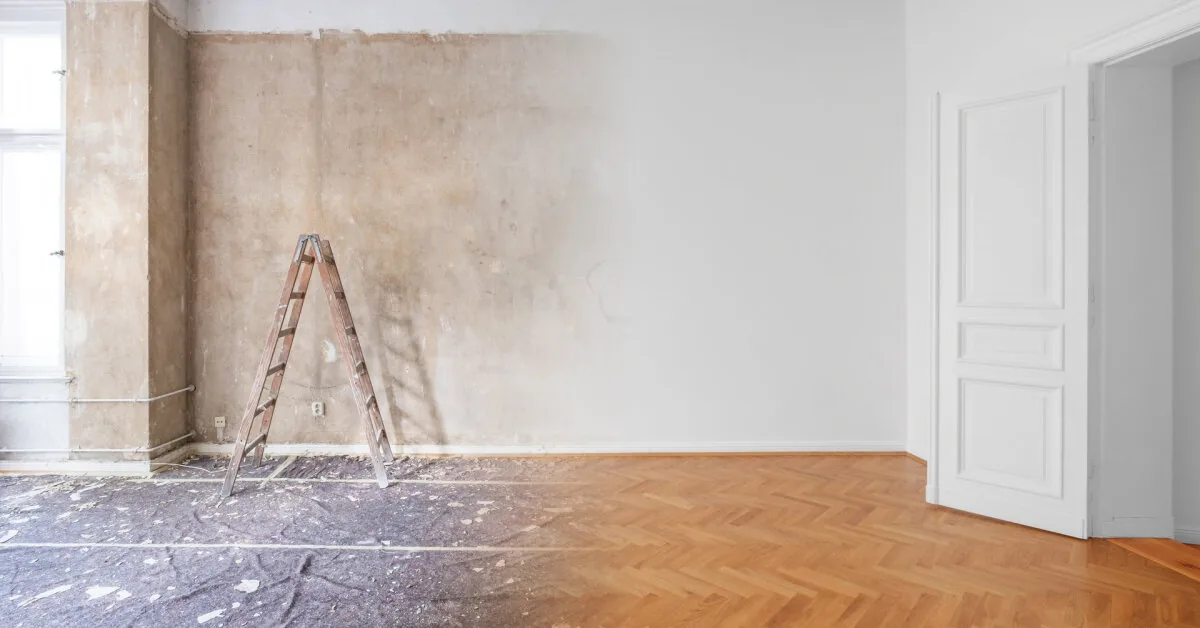
“Banks require insurance for real estate purchased with a loan and used as collateral, but the importance of additional protection is often underestimated, especially when buying a new home. It is forgotten that losses can be caused not only by the condition of the apartment but also by unexpected household situations: flooding from a neighbor, a broken washing machine, or a shattered TV. This is no longer a matter of the quality, age, or liquidity of the home, but everyday risks from which it is worth protecting yourself additionally,” notes a representative of Realco.
Read more After two years of chaos – a respite: 4 Zodiac signs will experience great relief
Aušra Jusė, head of the Private Clients Insurance Department at the insurance company Ergo, lists that credit institutions require insuring the apartment against major risks: fire, natural forces, water supply failures, intentional acts of third parties, glass breakage, and vehicle collisions.
“However, the mandatory minimum does not include liability to neighbors, damage to equipment caused by voltage fluctuations, household appliance and electronics malfunctions, and other everyday accidents. To insure against these risks, they must be selected additionally,” says A. Jusė.
Most common accidents: when insurance will not help
According to A. Jusė, it is wrong to think that water supply failures are typical only for old buildings – they occur no less frequently in new ones. She notes that water supply failures and flooding in apartments are clearly the most common – they are recorded much more often than all other damages combined. Therefore, water risk and liability are relevant for both old and new buildings.
“Next are household accidents, such as damaging doors, finishes, or breaking equipment while carrying items. Also common are damage caused by voltage fluctuations, effects of storms, heavy rains, hail, or snow, glass breakage, household appliance and electronics malfunctions. Not all these risks are covered by basic insurance, so it is worth considering additional protection,” she says.
A. Jusė points out that insurance compensates for sudden and unexpected damage, so compensation usually does not apply if losses occurred due to neglect, natural wear and tear, or defects. Thus, no insurance will cover mold, moisture, rot, or long-term water penetration, construction defects, worn-out or warranty-covered equipment malfunctions. Compensation is also not paid if the risk causing the damage was not insured or if the property was not actually damaged.
“In 2026, about a quarter of all claims were recognized as uninsured. Most often, this was due to cases where damage occurred due to natural wear and tear, long-term effects, construction defects, or when the risk causing the specific damage was not insured,” adds the head of Ergo’s Private Clients Insurance Department.
Read more A tough weekend test: will you answer at least 6 out of 10 difficult general knowledge questions?
What additional home insurance to choose?
The head of Realco’s Property Maintenance and Warranty Service emphasizes that additional insurance should not be seen as excessive protection. It provides more peace of mind knowing that in the event of an unexpected incident, you will not have to deal with all its consequences alone, negotiate with affected neighbors, or worry about compensation, even if the incident happened completely accidentally.
Therefore, one of the most important additional protections is liability insurance. According to A. Jusė, it is especially relevant when living on higher floors, where flooding can affect several neighbors, and their losses would have to be compensated personally without insurance. You can choose protection for one home, all owned real estate, or broader personal liability covering damage to others’ property or health.
“Depending on the home and individual needs, broader insurance options covering several additional risks can also be chosen,” the interlocutor lists.
Insurance cost and compensation
According to A. Jusė, the cost of home insurance depends on the size of the home, building structure, and chosen protection, while the compensation amount depends on the size of the damage and the selected insurance sum.
“The average compensation in building insurance is about 730 euros, and for home contents about 650 euros. The largest damages in apartments are caused by water supply failures – for such an event, we have paid out up to 27 thousand euros. Protection against voltage fluctuations, which damage alarms, air conditioning, or other equipment, is often not chosen, and the damage amounts to large sums. This year, the average compensation for such damage was about 800 euros, and the largest exceeded 11 thousand euros,” the specialist says.
A. Sugintas points out that in modern new construction projects, a home often is not limited to just the apartment – buyers use underground parking lots, storage rooms, elevators, common areas, and various engineering systems. Therefore, when choosing insurance, it is worth evaluating all property related to the home and ensuring its protection.
Read more Moldova: unacceptable airspace violation is likely related to a drone