





The decision was made after unscheduled and repeated inspections, during which discrepancies were found between the officially declared data and the actual situation, as well as other violations of legal acts. The activity was suspended back in August, but since the breeder did not eliminate the identified violations, a decision was made to prohibit it.
Read more In August, unemployment continued to decrease in Estonia
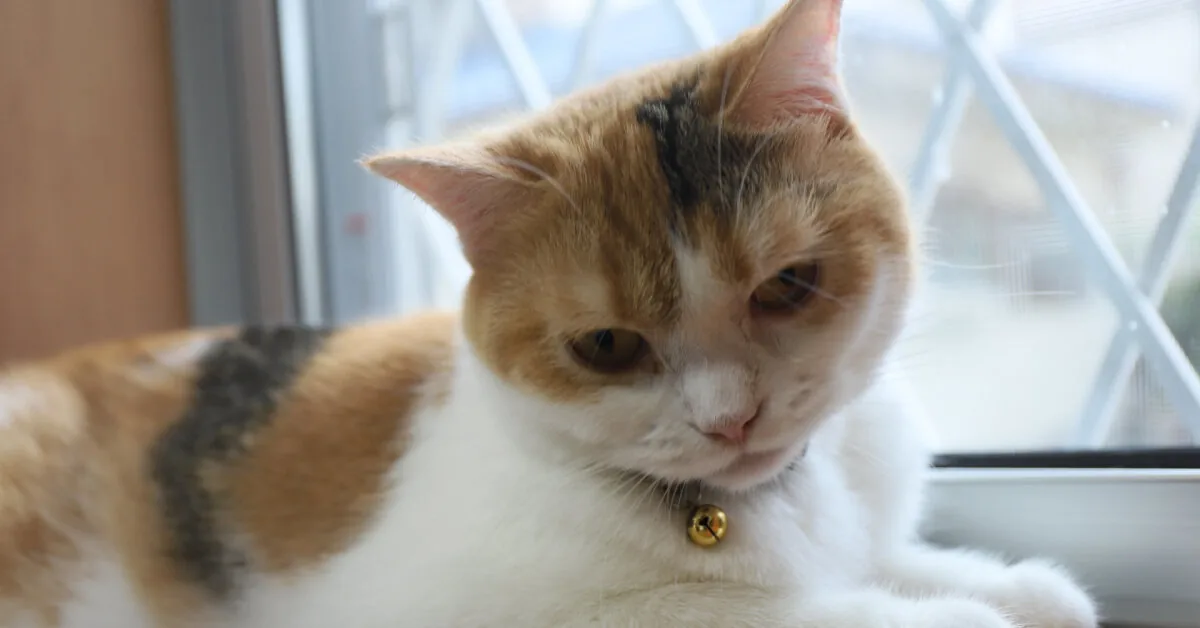
During the inspections, VMVT specialists found that the data submitted in the Animal Pet Register (GAR) did not match what was actually found at the breeding site. Up to 15 cats were kept there, although 33 animals were registered under the breeder’s name at a different address in the register. VMVT was unable to determine where the other animals listed in the register were actually kept – the breeder did not provide information about their location.
There was also a lack of mandatory information about the breeding activity carried out. The breeder did not provide the required records and veterinary procedure data – information about animal mating, animals transferred to new owners, and their treatment.
During the inspections, proper conditions were also not provided for VMVT specialists to check the microchip identification of all kept cats. The animals did not allow inspectors in, moved freely around the premises, and hid, and the breeder did not help control them so that specialists could read the microchip data. For this reason, it was not possible to accurately determine the actual number of cats kept on the premises.
Moreover, it turned out that the conditions under which the registered activity was carried out had essentially changed. The electricity supply to the breeding premises was cut off, so it was no longer possible to ensure all the conditions necessary for proper animal keeping. On top of that, it was found that the lease agreement for the premises where the breeding activity was registered had been terminated.
Read more In Lithuania – the representative office of luxury and powerful electric cars «Polestar»
Considering the totality of the identified violations, VMVT suspended the breeding and animal sales activity in August. The breeder was given the opportunity to eliminate the identified deficiencies, but during the repeated inspection it was found that they had not been corrected. Therefore, VMVT decided to prohibit this pet breeding and sales activity.
“Animal breeding is not just keeping animals and selling them. The breeder assumes responsibility for animal traceability, their records, health, welfare, and compliance with the requirements set out in legal acts. When it is impossible to verify the data in the register during inspections, mandatory records are missing, and identified violations are not eliminated even after repeated checks, we must take stricter measures,” says the representative of the VMVT Vilnius District Supervision Department.
VMVT reminds that pet breeders must properly register and account for the animals kept, provide mandatory data about the activity carried out, comply with animal health and welfare requirements, and provide conditions for VMVT specialists to carry out inspections without hindrance.
Read more Domarkas responded to the story about JV and Adomaitis: «What is the point of lying to the captain?»