








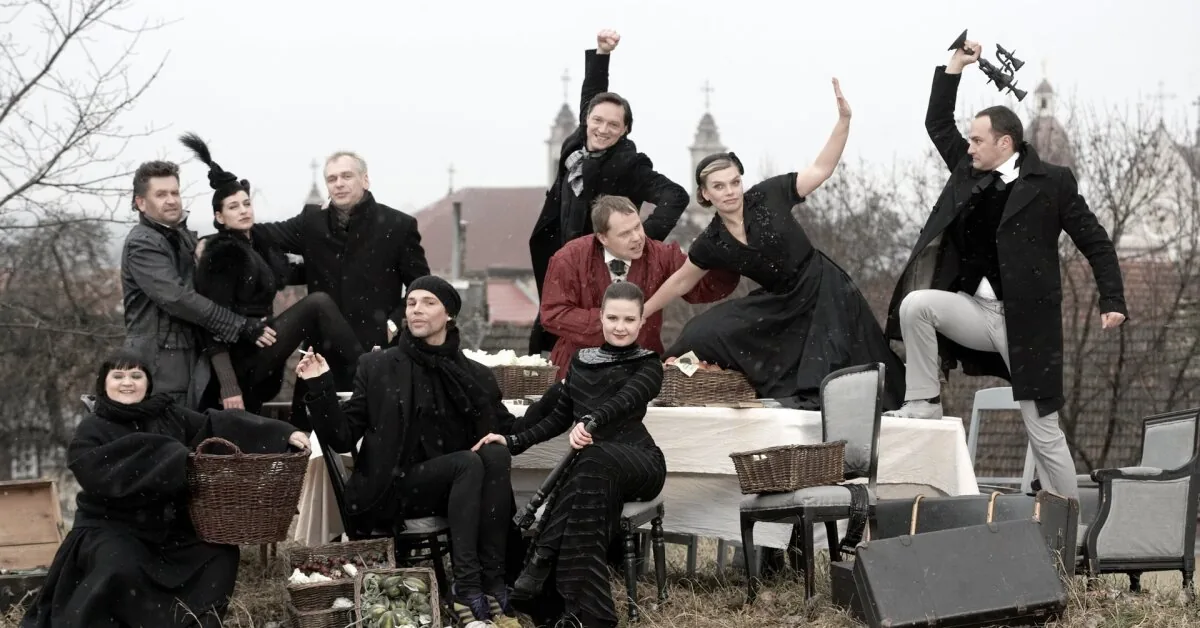
From September 17 to 20, in Vilnius Town Hall Square, “Vilnius City Opera” is showing four performances from the first decade of “La Bohème” free of charge to celebrate its twentieth anniversary. Alongside the names of Dalia Ibelhauptaitė and Gintaras Rinkevičius, the third name always mentioned in the story of that decade is the costume designer Juozas Statkevičius. Eight “bohemians” soloists recall Juozas Statkevičius’s costumes and stories related to his impressive personality.
Read more The St. Jerome Prize laureates are translators Austėja Merkevičiūtė and Tiiu Sandrak
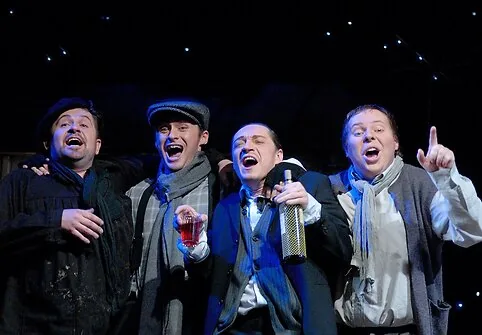
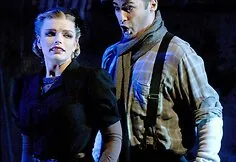
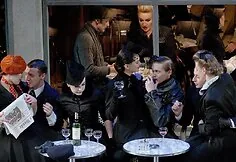
Eight soloists who sang in “La Bohème,” “The Magic Flute,” “Werther,” “Pagliacci,” “Eugene Onegin,” “Manon Lescaut,” “She’s All That,” and “Sweeney Todd” talk about the same person – but speak very differently. For some, his costumes were a challenge; for others, the only thing that finally allowed them to feel what they were playing. But all eight remember the same details: the gold that didn’t wash off after several showers, dresses embroidered with buttons that required softening the stage floor, corsets he tightened himself, and scissors that cut off thirty centimeters of hair during one makeup trial.
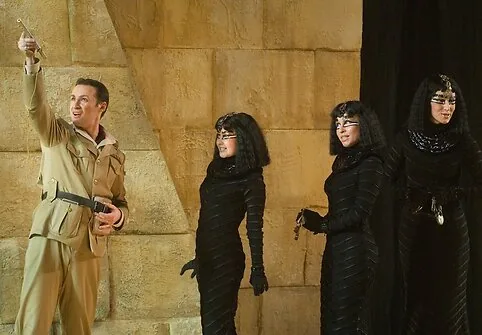

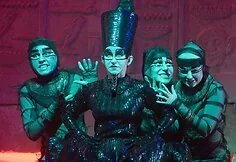
Asmik Grigorian, who says she was never a costume person, speaks briefly about Juozas Statkevičius’s work: “All designers have their own style, but Juozas is definitely one of the most talented designers in the world I have worked with or even seen. What he does for the stage is truly great, great art.” Kostas Smoriginas is even briefer: “I am very grateful to Juozas. For his work, for his love of opera, for his contribution to Lithuanian art and theater.”
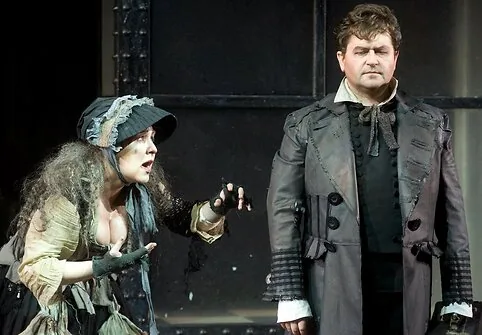
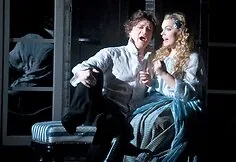
“THE STAGE DEMANDS SACRIFICES”
Kostas Smoriginas says he had only one problem with Juozas Statkevičius – his belly. Jackets and trousers were such that he had to suck it in, along with the diaphragm, which is no small matter for a singer. “Juozas, I can’t, please don’t make such a jacket. Or don’t make such tight trousers,” he would plead. The answer was always the same: “No, it’s necessary. The stage demands sacrifices.”
And he had to go sing with his belly sucked in. Kostas Smoriginas does not complain about it: “Everyone went with their bellies sucked in because he wanted you to look elegant. And basically, everything was always great, the costumes were very interesting.” He says this is a plus – for fashion, costume, and the whole performance’s aesthetics. Not all designers like working in theater, but one of Lithuania’s greatest masters was always open to stage costumes.
Everyone went with their bellies sucked in because he wanted you to look elegant.
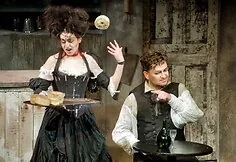
Women had to make more sacrifices. Jovita Vaškevičiūtė sang the Beggar in “Sweeney Todd” – a role that would seem to require only rags. Statkevičius also sewed her a corset. “I said: Juozas, forgive me here a little. And he said: it’s nothing, nothing, a woman must endure,” the singer recounts. And he tightened it even more, explaining that even a beggar must have a waist. “He always knew how to emphasize femininity. And all the small details – gloves, hats with trims, edgings. That was an endless impression that remains to this day.”
Joana Gedmintaitė, who sang Mimi in “La Bohème,” also remembers the corset as the first challenge. The clothes looked modest but were designed to emphasize femininity, and the role of Mimi demands a lot: she lies on the bed, faints, falls, and at the same time has to sing. “It took time to get used to,” she says. But she evaluates the result without reservations: “That dress looks simple but is actually very elegant and beautiful. With such an outfit, you could confidently go to a reception.”
GOLD THAT DIDN’T WASH OFF
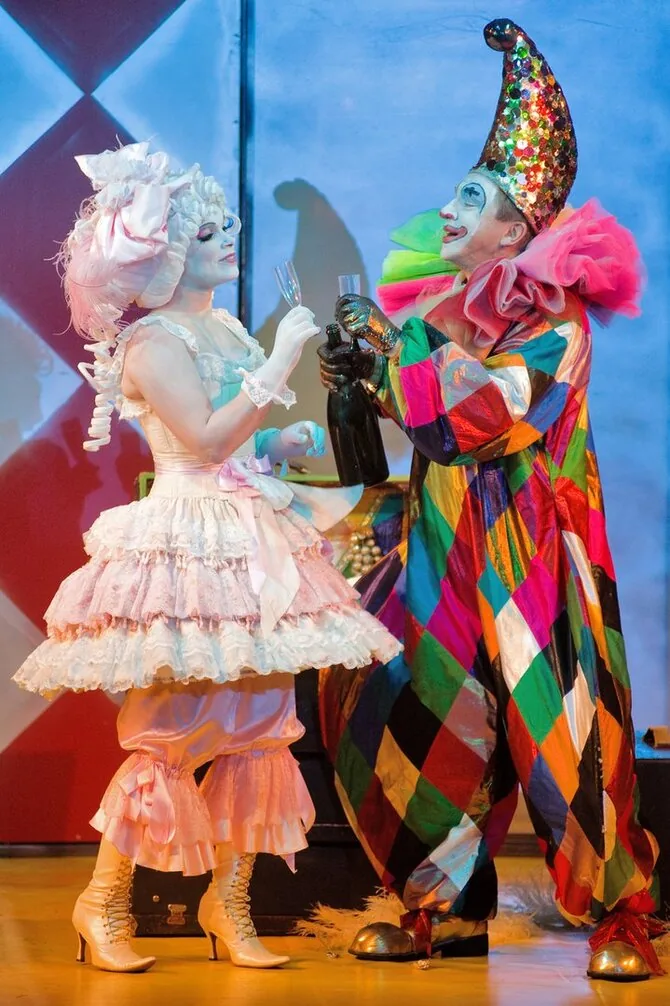
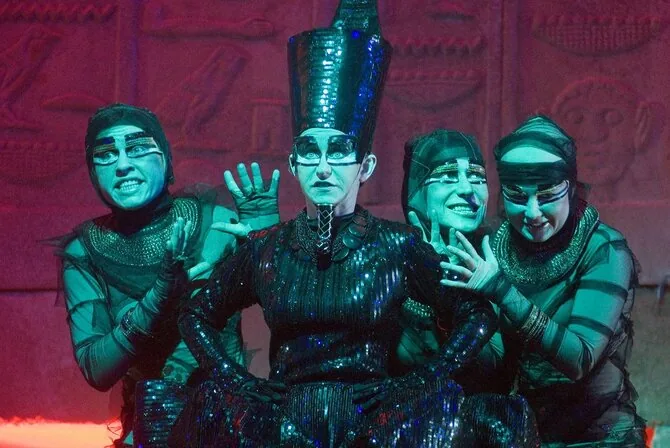
The most vivid memory for everyone was “The Magic Flute.” Tadas Girininkas describes it in three words: “Gold, gold, gold everywhere!” Golden costume, golden makeup, golden eyelashes, glitter on the face. It was his first performance, the start of his career. And the costumes had one peculiarity: “Such costumes where there were no zippers and you couldn’t go to the toilet. For the entire performance!”
Laimonas Pautienius sang Papageno in the same opera. A synthetic jumpsuit with scales, in which he was never cold, and makeup he still remembers: the face was first smeared with vaseline so that golden dust would stick, and then everything was covered – teeth, ears, not a single bare spot on the face remained. “Eventually, you still forget, so you swipe your hand across your face – all fingers also remain golden…”
The most memorable, says the singer, was the post-performance cleaning. First – wipes with various oils, then a shower, because microscopic particles still get everywhere. “And going home, and they settle there for several more days.” The opera singer says he sneezed gold, and golden water flowed in the shower.
The opera singer says he sneezed gold, and golden water flowed in the shower.
Gedmintaitė says that gold transferred into her whole life. “My husband used to joke: well, I lie down with a golden woman because even the bed is golden.”
THE DRESS THAT SOUNDED
The most famous costume of that opera is Pamina’s dress, embroidered with three and a half thousand mother-of-pearl buttons, layered like shell scales.
Asmik Grigorian remembers it as the first costume of such weight in her life. And as a dress that sounded – the buttons rattled against each other, and it was audible. Juozas came up with a great solution, sewing the bottom of the dress with a down quilt. In the direction, Dalia Ibelhauptaitė had planned that in all the scenes she had to fall to her knees. “Every time I fall to my knees, and those little buttons fall off…”
And after each rehearsal, Statkevičius himself sewed new ones. “I felt very sorry for Juozas,” says the singer. The button dress was not the only place where she saw how much of Juozas’s handiwork there was: in “Sweeney Todd,” he did everything himself, by hand. “Sometimes I wondered how it was even possible to put in so much work.”
“IT’S NOT A COSTUME, IT’S A CHALLENGE”
For Lauryna Bendžiūnaitė, those dresses are a separate art. You had to learn to walk in them so that no rhythmic accompaniment would appear beside you, which Mozart did not write. She first encountered Statkevičius’s work in the same “The Magic Flute” – she sang the First Lady. The costume was tight, made of almost non-stretch fabric, legs wrapped, and on them – huge platforms. “We were packed like mummies. It’s not a costume, it’s a challenge.”
The first impression, she says, is shock, and then comes acceptance. But you have to constantly think – how you will stand, how you will sit, and if you need to run to the toilet, that’s a whole different story.
Can you faint from corset tightening? “It happens very often. It’s a very common problem,” confirms Bendžiūnaitė. But on the day of the performance, she says, there is so much stress and new tasks that those things are forgotten: “The music controls, carries you away – and then you don’t think about it.”
SCISSORS, CURLERS, AND PREMIERE NIGHT
Statkevičius never stopped at fabric. In 2012, Tadas Girininkas came to “Manon Lescaut” makeup trials with shoulder-length hair. The performance required a special hairstyle. The designer sat him on a chair and cut about thirty centimeters. “He just cut it off for me.” The singer did not protest a word. “But whatever feeling it was, it was for the better,” he says now, adding that you can expect anything from Juozas.
Laimonas Pautienius also wore longer hair in “Werther” at that time, and Juozas thought for a long time about what to do with it. One option didn’t fit, another didn’t fit. The solution came on the premiere night when the singer was already sitting for makeup – the hair was rolled up, and Laimonas walked around with curlers for a while. Then, as usual, he had to go show himself to the orchestra before the performance. “I just stepped backstage – and the orchestra members freaked out. I thought now everyone will laugh and not play.”
Read more 252 bodies of Russians killed handed over to Ukraine
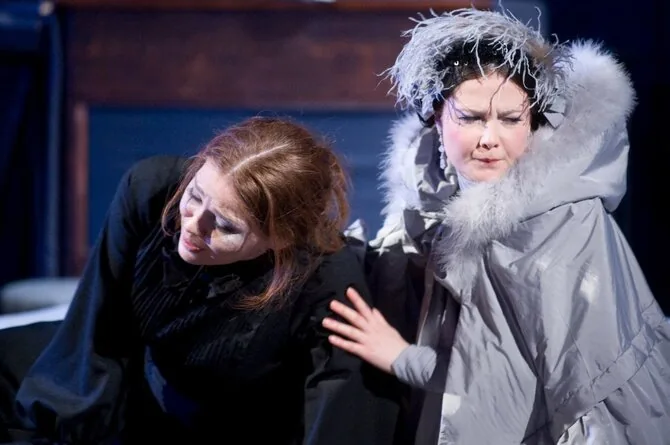
Curls repeated in “Sweeney Todd,” but there they quickly loosened, so a lot of hairspray was used without regret. Pautienius never argued once. “I didn’t like to argue. You get used to that makeup, and that’s it. What wouldn’t you do for art and character. And Juozas’s works are impressive. Both historical costumes, fabrics, and hairstyles – top class.”
“WELL, QUEEN”
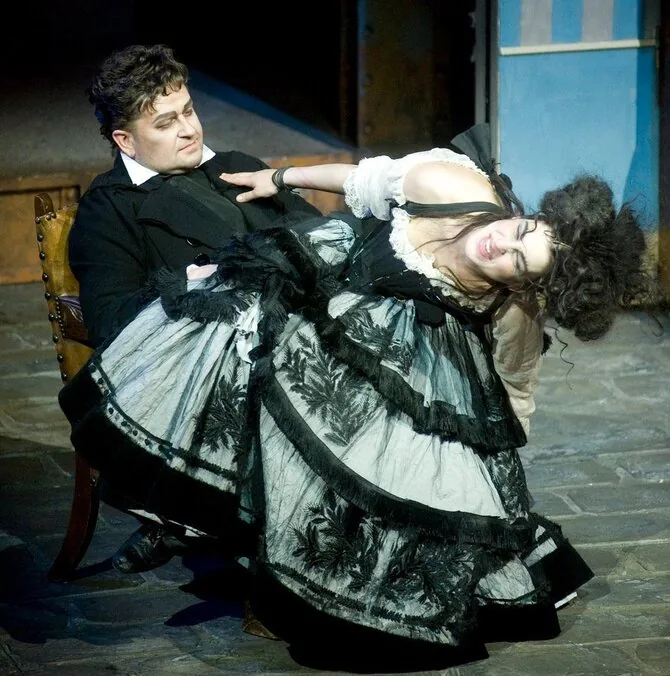
Jovita Vaškevičiūtė says that the fitting process with Statkevičius was a separate performance. He measures you and praises you the whole time: how wonderful you are, how beautiful. “Nothing, nothing, we will hide it, make it, invent it,” Juozas would say. And he made it so that you went on stage like a queen.
Before sending you on stage, he would add: chest out – and go conquer the audience. “Yes, that was his energy. A true creator, from God,” says the singer.
She had to work in many European theaters and with many costume creators, but she singles out Statkevičius as number one – she says she has never met anyone like him in her life. Because of details: even the stockings had real patterns, real edgings. And because of the attitude: “He looks at every character, every performer – both chorus and soloist – through a magnifying glass. And creates such an unusual, incredibly magical version. His costumes match the character’s feeling and personality.”
He looks at every character, every performer – both chorus and soloist – through a magnifying glass.
WHAT HAPPENS ON STAGE
In “Sweeney Todd,” Jovita Vaškevičiūtė’s Beggar had bruises painted every night, and the face was also smeared with grease – Statkevičius requested this very much. The series of performances was long, already in the dozens, and during one of them, the singer half-jokingly addressed her colleagues: “Listen, someone punch me from the left or right – there will be a bruise, and I won’t have to do that makeup.”
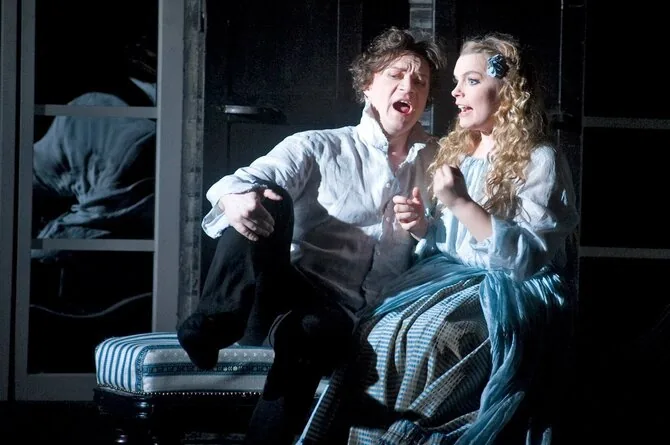
During one performance, Laimonas Pautienius accidentally pushed her so hard that she hit her forehead straight on the set. “I hit so hard that I heard even the audience go silent,” the singer recounts. The first thought was about teeth – are they all in place. A few days later, she had a serious concert at the Philharmonic, and she sang several subsequent “Sweeney Todd” performances without makeup – it was simply no longer needed.
SECOND LIFE OF COSTUMES
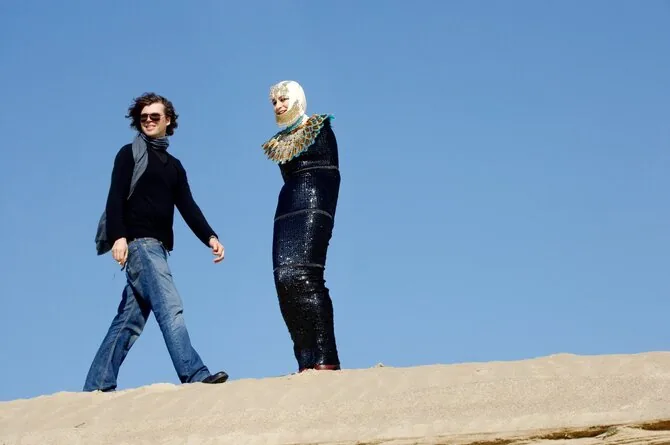
Rafailas Karpis recalls that those costumes lived beyond the performances. They were used for other events and post-productions – often worn not by themselves but by colleagues for whom they were sewn. “It was very interesting, innovative,” he says. One of the first performances of the electronic opera fantasy “XYZ” took place in the former Lithuanian cinema theater.
It was for such a performance that Lauryna Bendžiūnaitė was wrapped in black film. Packed a couple of hours before the concert and not unpacked until it ended. On the heads – inflated orange rubber gloves. “The sight is unreal, and the audience is really interested to watch it. But when you are all wrapped in non-breathable film, you really understand how those people died from suffocation with tar and feathers.” When finally released, you feel like after a good sauna.
Karpis also recalls the troupe’s humor. At a press conference before “The Magic Flute,” someone seriously asked a colleague if it was okay for her to sing the Third Lady instead of the First – although the three ladies are arranged simply by voice. Karpis himself was similarly teased for the Jewish ensemble, in which he sang the second Jew: “Everyone laughed – look, Rafikas sings the second Jew. Not the first.”
COSTUME THAT CROWNS
All eight ultimately talk about the same thing: what the costume does to the role.
Kostas Smoriginas starts with Statkevičius himself: “We are very lucky to have such a master, a fashion person who works in theater at all.” For Kostas, the costume is not an addition to the role. “The costume is a complete part of the character and the performer. Sometimes only after putting on the costume do you understand who you are.” From later joint works, he singles out “The Queen of Spades”: “Very interesting costumes and very interesting, distinctive wigs.”
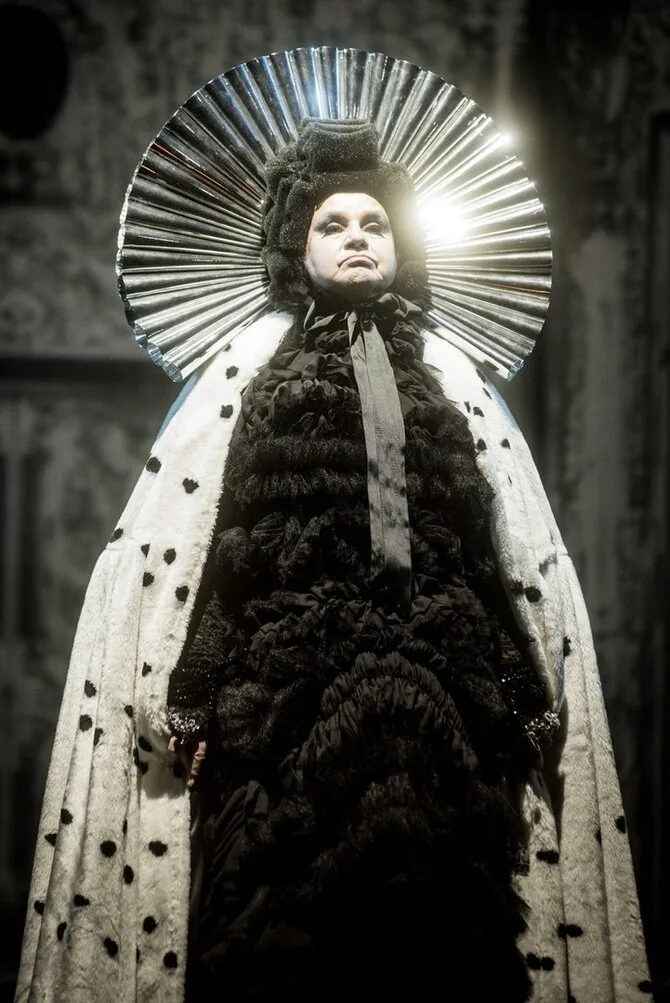
Joana Gedmintaitė describes a moment every singer knows: you rehearse, everything seems fine, and then you put on his costume – and all the previous work suddenly crowns. “You find yourself exactly in that moment, in that feeling. You are exactly the person you play.” She says the same about makeup: Statkevičius came to do the makeup himself. “The slightest stroke – and immediately under the person appears another character, another role. Juozas’s greatest distinction is costumes and makeup that complement the role.”
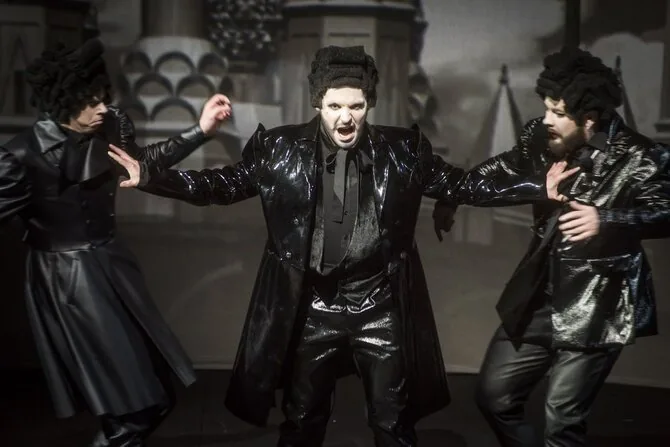
You are exactly the person you play.
For Lauryna Bendžiūnaitė, the most important criterion is different: that the costume does not interfere with singing. “I don’t have like or dislike – such criteria don’t exist. I look for comfort because it must not interfere with my singing.” And also shoes, which no one else mentioned: “Your step, your lightness on stage depends on the shoes. All grace, behavior starts like a ballerina’s step – from the big toe. Shoes can say a lot – whether you are big, heavy, powerful, or light and can fly on stage without dragging your feet.”
Her favorite costume is Sofi in “Werther.” A long dress with skirts and everything else, and it was easy to move. “Maybe that’s Juozas’s miracle, that craftsmanship. It was very easy for me to embody – you just put it on, and you are already the character.”
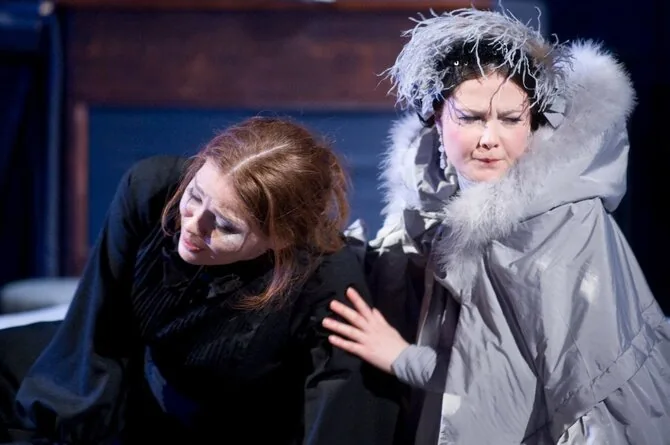
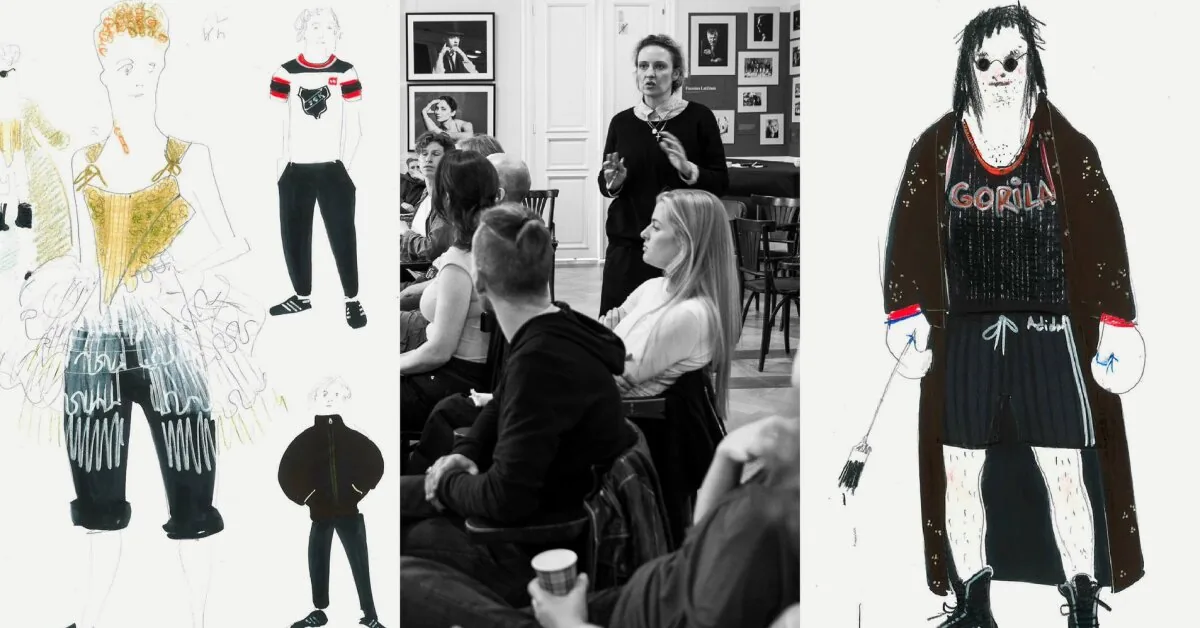
Tadas Girininkas recalls how it looks from the rehearsal hall: there you see only models, sketches, and you can’t imagine how those clothes will look in reality. “And when you get the final ones – it’s really an even bigger support. Then you really get into your role.”
And Rafailas Karpis, asked about all that being “bohemians,” answers in a way suitable for the twentieth anniversary: “It was very fun. And it is fun. Maybe it will be fun again.”
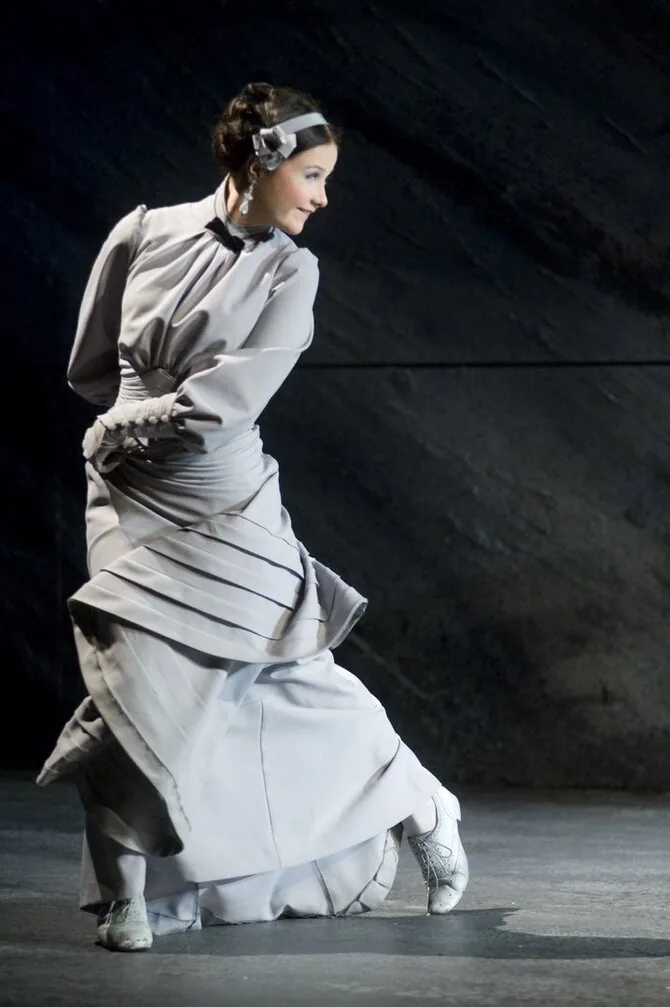
You can see the legendary Juozas Statkevičius costumes on the big screen! In Vilnius Town Hall Square. Free admission.
09.17, 20:00 – Giacomo Puccini. “La Bohème”
09.18, 20:00 – Jules Massenet. “Werther”
09.19, 19:00 – Stephen Sondheim. “Sweeney Todd – The Demon Barber”
An hour before each screening – live discussions and meetings. Fifteen minutes before the broadcast – reflections by musicologists.
Read more Mark Carney welcomes the proposal for Canada to become an associate member of the EU
The project is funded by the Lithuanian Council for Culture and Vilnius City Municipality.