








Until now, there was no separate regulation for monitoring this group of patients – doctors monitored the health status of children individually. The new regulation establishes common monitoring conditions, a list of diseases, and the frequency of health status checks for the first time, according to a press release.
Read more Rent or parents’ home? Why independent living becomes a luxury for young people
According to the new procedure, children with juvenile arthritis or systemic connective tissue diseases must be examined by a pediatric rheumatologist once every 3–6 months if the disease is of moderate or high activity or if the child is treated with disease-modifying drugs. When the disease is of low activity and disease-modifying drugs are not used, the child’s condition will be checked every 6–12 months.
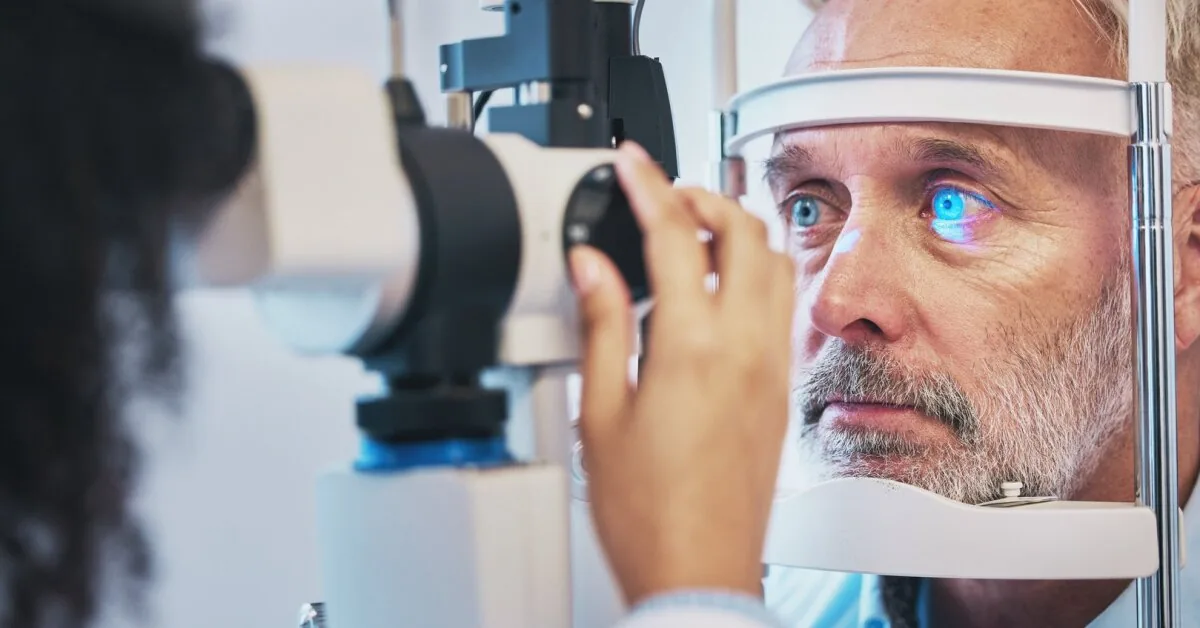
The health status of children with juvenile arthritis will also be monitored by an ophthalmologist, applying the same monitoring intervals.
Separate monitoring is also provided for children with iridocyclitis (inflammation of the iris and ciliary body) – their health status will be checked by an ophthalmologist every 3–6 months.
Read more Anomaly in autumn: why do mosquitoes attack and when will it end?
The aim of the new procedure is to ensure more consistent care for children with chronic diseases and to help detect changes in health status in a timely manner. Regular monitoring allows doctors to assess the course of the disease and, if necessary, adjust treatment promptly. This aims to prevent disease progression and the development of irreversible complications.
The new procedure was prepared taking into account the proposals of the Children’s Arthritis Association and will come into effect on November 1.
Read more 18-year-old Ramzan Kadyrov’s son has assembled a personal «army»