

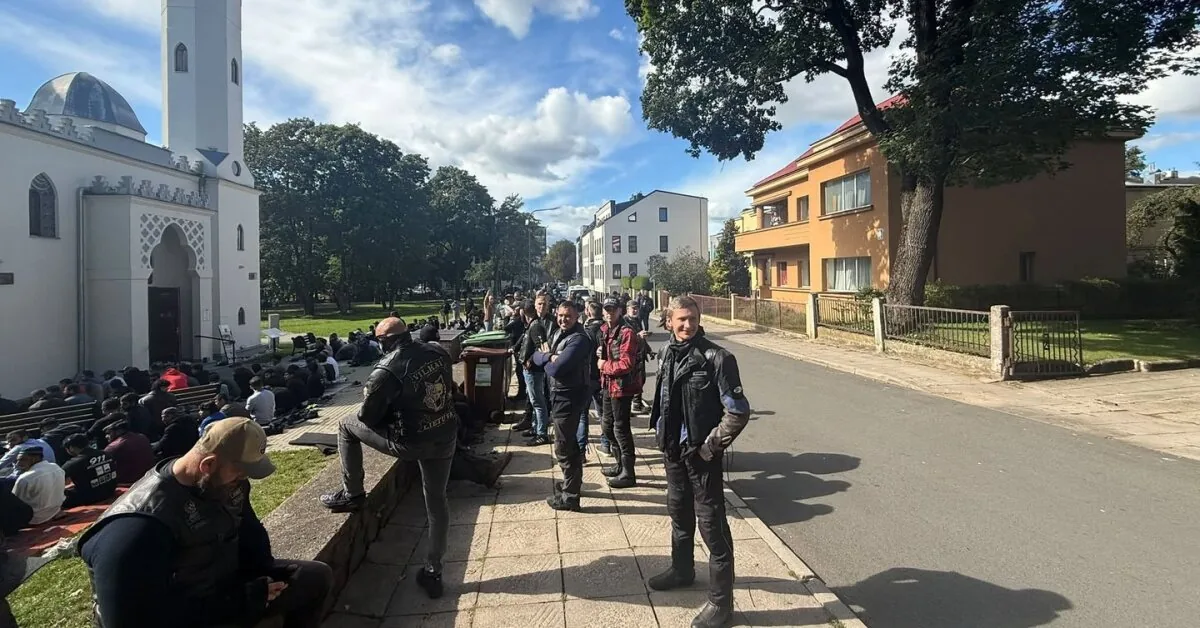
„It cannot be ruled out that incitement to hatred can also become a tool of Russia’s hybrid influence, – the letter states. – On that day, an organized group humiliated believers in various ways, displaying symbols offensive to believers. Such actions violate the right to freedom of belief and free religious practice enshrined in Article 26 of the Constitution. They also correspond to the features described in Article 171 of the Criminal Code (obstruction of religious rites or ceremonies) and Article 170 (incitement against any nation, race, ethnic, religious, or other group of people). There may be different opinions in society about migration, Islam, integration, state policy, or any other issue.
Read more A Russian drone shot down in Lithuania: how should we respond?
In a democratic state, we have the right to disagree, criticize, protest, and raise uncomfortable questions. However, this must take place within the limits set by law. We must safeguard the democratic culture of a free society – the ability to disagree without losing humanity and respect for another person.
Migration policy, attitudes towards Islam, or previous disputes over the mosque do not matter here. Potentially criminal acts are not a form of public discussion, and approval of their goals is not a basis to justify criminal means. If the state does not ensure the enforcement of laws, it sends the message itself that intimidation and hatred
are tolerated in Lithuania.
Therefore:
– we condemn any attempt to turn acts of hatred, humiliation, or intimidation into a common form of political struggle. We cannot accept that just because a person has a different faith, nationality, or origin, it becomes acceptable to treat them in ways that would not be acceptable towards ourselves;
– we urge to view this incident not as another political dispute, but as a question about the boundaries of our society, personal dignity, and respect for each other;
– we demand a principled pre-trial investigation, identification of the organizers and perpetrators of the attack, and legal evaluation of their actions based on the laws of the Republic of Lithuania.
In the future, such potentially criminal acts must not be observed but stopped as soon as they begin“.
This letter was signed by:
1. Dr. Mantas Adomėnas, Researcher of Antiquity, writer
2. Eugenijus Ališanka, writer, translator
3. Prof. Vytautas Ališauskas, philologist
4. Dr. Marijusz Antonowicz, political scientist
5. Elžbieta Banytė, teacher6. Arvidas Bendorius (Iron Fox), blogger
7. Vladas Braziūnas, writer, translator, National Prize laureate
8. Toma Bružaitė, public figure
9. Marius Burokas, poet
10. Dr. Simas Čelutka, political scientist
11. Dr. Norbertas Černiauskas, historian
12. Prof. Jonas Dagys, philosopher
13. Arūnas Degutis, Signatory of the Act of Independence
14. Dr. Justinas Dementavičius, political scientist
15. Prof. Danutė Gailienė, psychologist
16. Antanas Gailius, poet, translator, National Prize laureate
17. Prof. Saulius Geniušas, philosopher
18. Paulius Gritėnas, philosopher, publicist
19. Dr. Darius Indrišionis, historian
20. Jokūbas Jacovskis, graphic artist, book designer
21. Prof. Giedrė Jankevičiūtė, art historian, National Prize laureate
22. Albinas Januška, Signatory of the Act of Independence
23. Antanas Jonynas, writer, translator, National Prize laureate
24. Laimantas Jonušys, translator, literary critic
25. Rasa Juknevičienė, politician, Signatory of the Act of Independence
26. Paulius Jurkevičius, journalist of the Italian Foreign Press Association
27. Vytis Jurkonis, public figure, political scientist
28. Dr. Mingailė Jurkutė, historian
29. Dr. Rūta Kačkutė, museum specialist
30. Giedrė Kadžiulytė, publisher
31. Dr. Gintas Karalius, political scientist
32. Gabrielius Landsbergis, politician
33. Prof. Rimvydas Laužikas, heritage communication researcher
34. Dr. Pavel Lavrinec, philologist
35. Prof. Gintautas Mažeikis, philosopher, writer36. Prof. Nerijus Milerius, philosopher, director
Read more Former Kosovo President Hashim Thaci sentenced to 25 years in prison for war crimes
37. Jonas Ohman, public figure
38. Dr. Grigorijus Potašenko, historian
39. Donatas Puslys, publicist, public figure
40. Dr. Nerija Putinaitė, cultural historian
41. Dr. Eligijus Raila, historian
42. Brigita Sabaliauskaitė, journalist
43. Romas Sadauskas, journalist
44. Šarūnas Skyrius, entrepreneur
45. Egidijus Stancikas, head of the National Kaunas Drama Theatre
46. Prof. Paulius V. Subačius, literary scholar
47. Prof. Nerijus Šepetys, historian
48. Prof. Margarita Šešelgytė, political scientist
49. Dr. Arūnas Šileris, education expert
50. Fausta Šimaitytė, political scientist
51. Dr. Antanas Terleckas, historian
52. Prof. Loreta Vaicekauskienė, linguist
53. Amb. Irena Vaišvilaitė, cultural historian
54. Rimvydas Valatka, journalist, Signatory of the Act of Independence
55. Vytis Vidūnas, public figure, orientalist
56. Arkadijus Vinokuras, writer, journalist, actor, and publicist
57. Rūta Vyžintaitė, journalist, poet
58. Agnė Žagrakalytė-Platelienė, writer
59. Prof. Dainius Žalimas, lawyer, politician
60. Prof. Justinas Žilinskas, writer, lawyer