








According to NIDDK (National Institute of Diabetes and Digestive and Kidney Disease) data, this bacterium is carried by about two-thirds of the world’s population, and in the United States its prevalence rapidly increases with age: from about 10–15% among teenagers to 50–67% among adults over 60 years old, writes “Welltica +”.
Read more The Court of Appeal did not acquit Ričardas Malinauskas, he will no longer be able to be mayor
Most infected people do not feel any symptoms, so untreated H. pylori can remain in the body for years and quietly increase the risk of ulcers and stomach cancer. When symptoms appear, they are very similar to common indigestion, and this is where the problems begin.
7 warning signs to know
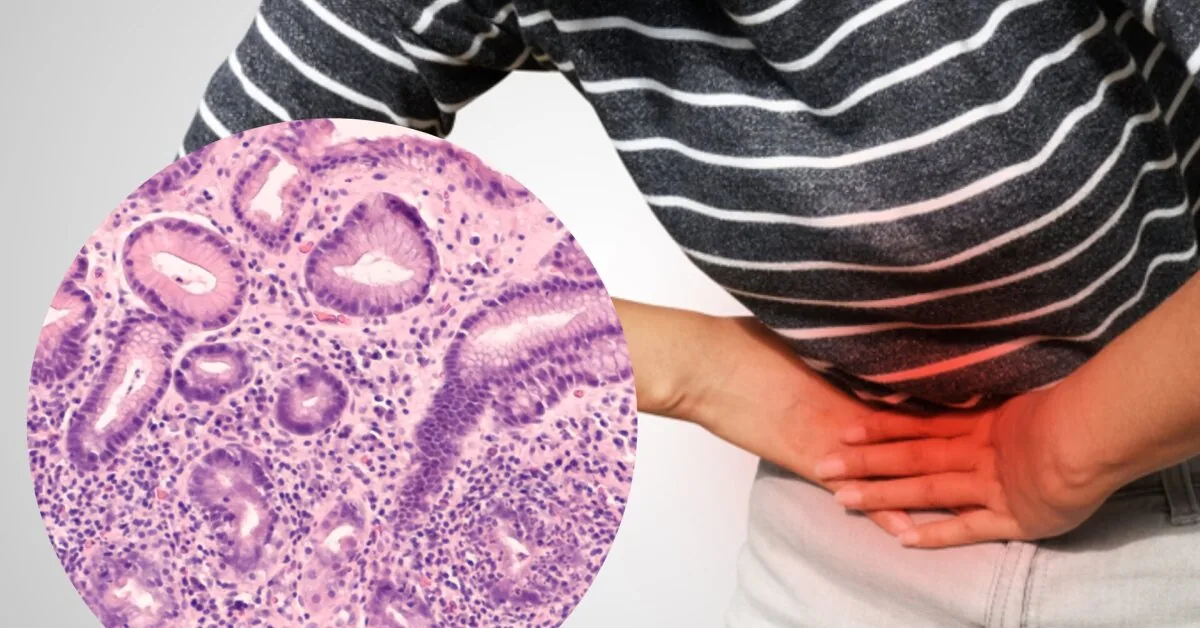
- A characteristic sign is a dull or burning pain in the upper abdomen
The Cleveland Clinic describes it as pain that often occurs a few hours after eating and at night, lasting from a few minutes to several hours and coming and going over days or weeks. The Pennsylvania Medical Center adds that the pain often worsens on an empty stomach.
Besides this main symptom, doctors point out six more warning signs most commonly associated with H. pylori infection:
- Nausea, sometimes with vomiting.
- Frequent burping.
- Bloating or feeling of fullness.
- Loss of appetite.
- Unintentional weight loss.
- A feeling of satiety after eating only a small amount of food.
None of these symptoms are unique to H. pylori. They are very similar to acid reflux, everyday indigestion, and stress-related stomach disorders, which is why the infection often goes unnoticed.
Read more Justas Eimontas. Global unrest does not give peace to grain prices
When to see a doctor for tests?
If several of these symptoms occur together, worsen, or recur for more than a couple of weeks, it is time to talk to a doctor about H. pylori. Some signs are more urgent.
The Pennsylvania Medical Institute lists bloody or dark, tar-like stools, vomiting with blood, significant blood loss, or sudden severe stomach pain among the reasons to seek immediate help, as these may indicate bleeding or ulcer perforation.
In most cases, tests are simple and non-invasive. During the urease breath test, the patient is asked to swallow a substance containing urea, which H. pylori converts into carbon dioxide, detectable in the exhaled air. In the stool antigen test, the bacteria are directly detected in a stool sample. When symptoms are more severe, doctors may examine the inside of the stomach by performing an upper endoscopy and taking a small tissue sample.
The National Cancer Institute notes that most cases of stomach cancer are associated with H. pylori infection, and long-term observations show that curing this infection significantly reduces the incidence of stomach cancer. That is why it is important to take symptoms seriously and not dismiss them as simple indigestion. Anyone noticing several of the mentioned signs should consult a doctor for testing.