






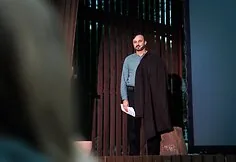
The monologue, written and directed by E. Kvoščiauskas himself, centers on his grandmother Ona Liutvinaitė-Kvoščiauskienė. The decisions of a woman involved in the partisan resistance changed the fate of the entire family. Alongside, the stories of the partisan brothers and the little son left to grow up without a mother unfold – reminding us that the scars of occupation were borne not only by those who fought but also by their children.
Read more Sergejus Maslobojevas spoke very openly: «I cried in a voice I have never heard from myself»
Photo gallery:



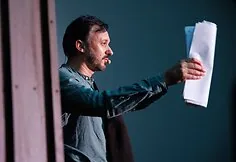
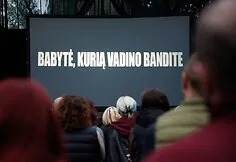
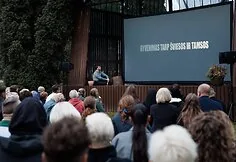
“The Granny Called a Bandit” is a monologue based on documentary theater and storytelling elements, blending live actor narration, authentic family memories, archival material, video projections, and original music specially composed for this performance.
It is a personal, sensitive, and impactful experience inviting not only to remember Lithuanian history but also to view it through the fate of one family.
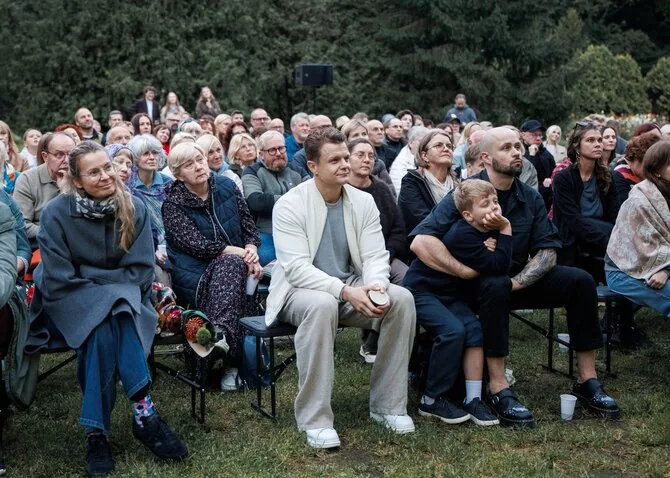
The monologue was full of both laughter and touching moments. The main heroine’s life story left no one indifferent – the audience generously praised and openly admitted they were deeply moved.
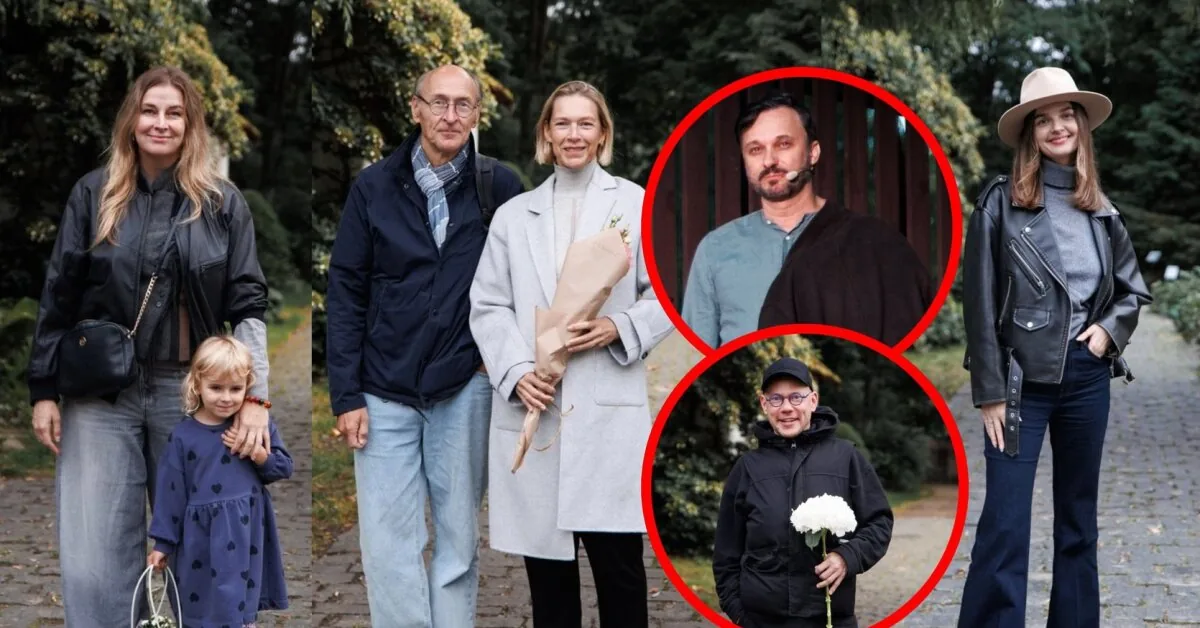
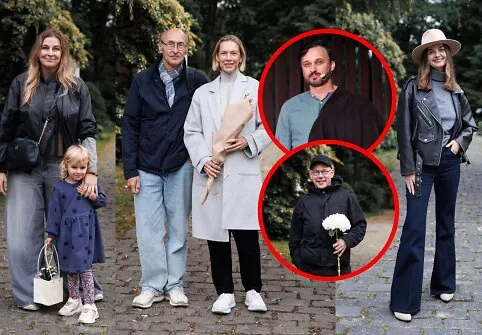
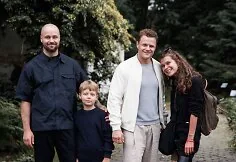
Among the attendees at the Vilnius University Botanical Garden Vingis branch were TV and event host Gabrielė Martirosian, journalist, producer, and host Audrius Giržadas, film, theater, and TV actress Aušra Štukytė with her daughter, actor and author Juozas Gaižauskas, actress and host Justė Zinkevičiūtė, theater, film, and TV actress and singer Lina Rastokaitė, theater and film actor and teacher Vaidotas Martinaitis, actor, director, and choreographer Gytis Ivanauskas, actor and bard Dalius Skamarakas, actor Tomas Žaibus, actress Gabija Jaraminaitė, actress Vilma Raubaitė, makeup artist Justina Gafaro, singer and TV project participant Anžela Adamovič-Gečienė, and other guests.
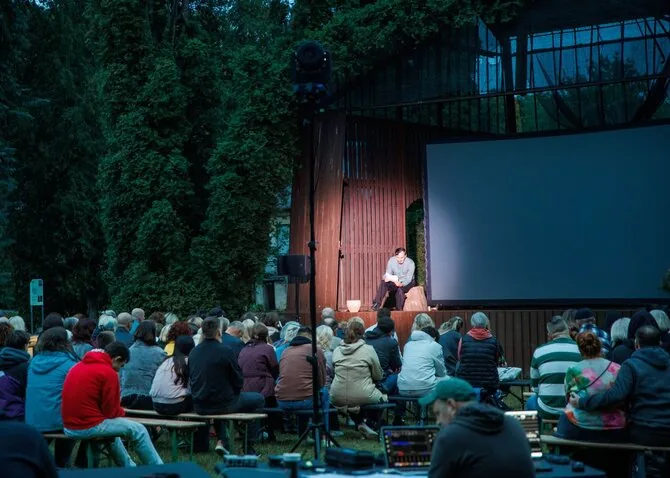
“I am very happy that this work of mine touches the audience. Many of my colleagues were at the Vilnius premiere, so it was like a kind of exam for me. Their reactions and feedback confirmed once again that this is a very meaningful, sensitive, and necessary performance.
It is extremely important to me that this story is not only heard but also reaches and moves the person,” said E. Kvoščiauskas after the performance.
“I really liked the performance – we laughed and cried! It is a sensitive and moving story, and the main purpose of art is to touch people. The performance is also very meaningful – all the accents are placed exactly where they should be.
The fact that we see the life of a real family on stage makes the story even more impactful. I would also like to highlight the wonderful music of the performance. I wholeheartedly recommend everyone to see it,” expressed G. Jaraminaitė with admiration.
Read more After the disqualification, Aurimas Urbonas returns to basketball
“The painful, deep, tragic, authentic, yet also infused with bright humor life of the granny and her entire family, and the horrific confrontation with the Soviet occupation on stage were assembled like from brittle crumbs: KGB archival documents, interrogation protocols, torture details, memories of the father and Eimutis’s own childhood, horrifying footage from the reburial ceremony of remains.
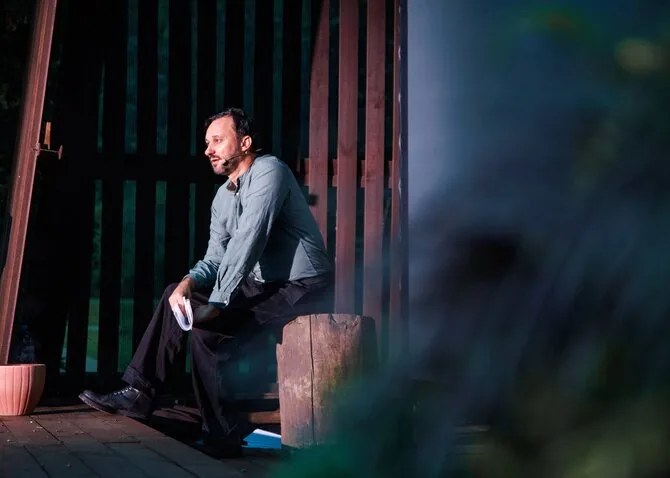
All of this suddenly turned into a unified picture in which probably every person sitting in the park could see their own family history.
It is hard to explain what kind of evening it was when one person appeared on the warm, darkening park’s wooden stage. He simply shared his family story – with words, images, archival documents, letters, memories.
No usual dramaturgy, directing, scenography… And he himself did not play any role – he just stood beside the screen, against the backdrop of illuminated trees, and told the story. And from the first spoken word, the evening began to chill…
But if someone asked who should be awarded the “Golden Stage Cross” this year for the best work, I would answer without hesitation – him. I know critics can and probably will find many reasons not to… But there is one essential reason that should be used: because it is worth it,” shared J. Gaižauskas.
“It is an open, sincere, and unfeigned story that touched me personally. It is also dramaturgically beautifully arranged – it starts from personal experience and gradually unfolds into the story of the whole family. I was greatly impressed by how the actor talks about all this, as well as by his chosen form of storytelling.
Eimutis is very talented, so thanks to him, this whole story beautifully and sensitively took shape in the performance. It is clear that it is very important to him personally. Therefore, ‘The Granny Called a Bandit’ leaves no one indifferent – when a person sincerely and openly tells what hurts them, it is impossible not to feel it,” said V. Martinaitis.
The monologue “The Granny Called a Bandit” will be shown on October 23 at the Kaunas cinema center “Romuva,” on November 18 at the Šiauliai cultural center, and on January 9 in Vilnius, at the Contemporary Art Platform “Smala” space. Tickets – kakava.lt.
Read more Italian Meatballs: The Secret to Tenderness – One Ingredient