







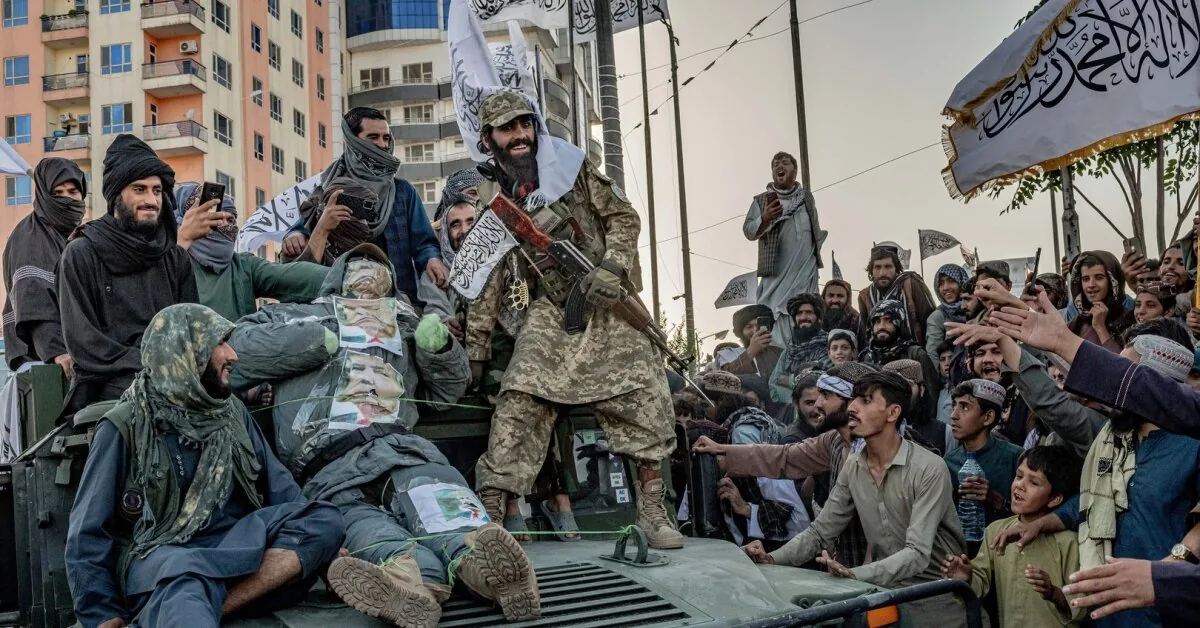
However, despite the cover, the Taliban ideology has remained unchanged, and armed groups continue to operate in Afghanistan, including dozens of al-Qaeda members. Many of the circumstances that created the conditions for the September 11 attacks have not disappeared anywhere to this day.
Read more Kremlin: Vladimir Putin and Volodymyr Zelensky’s negotiations at the G20 summit are «impossible»
The Taliban survived the war with the United States. Now it governs more than 45 million Afghans.
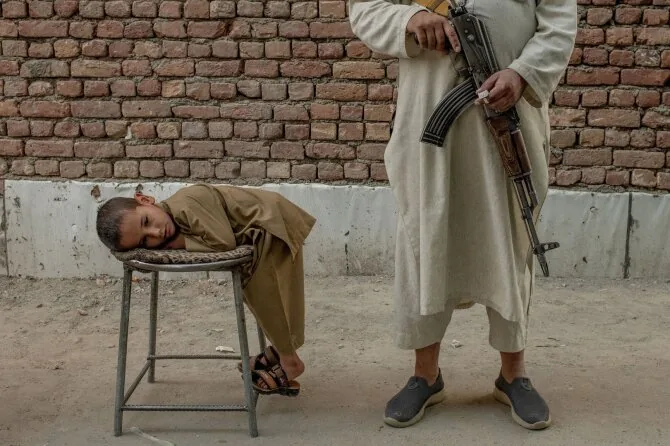
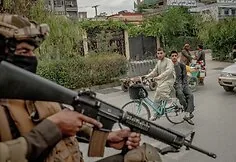
The Taliban call European and US diplomats on the latest iPhone phones. They travel to the Persian Gulf, to Turkey, develop trade with Uzbekistan and India. Their fighters patrol Afghan cities, some even armed with equipment left by Americans.
When Taliban officials receive guests from abroad in their tall, ornate offices in Kabul, they claim to want peaceful relations with the world. They also repeat the commitments made during the 2020 peace talks with the United States – not to allow a new large-scale attack to flourish again on Afghan soil.
“We believe the war phase is over,” said Afghanistan’s Foreign Minister Amir Khan Muttaqi in a recent interview in Kabul.
However, the United States, the European Union, and most other governments are not yet ready to believe them.
These security promises too closely resemble those made by the then Taliban leader Mullah Mohammad Omar. A few months before September 11, he assured a journalist that Osama bin Laden “does not operate against anyone from Afghan soil.”
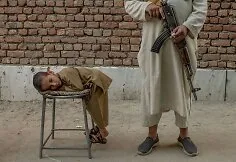
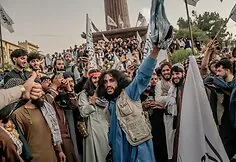
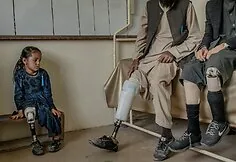
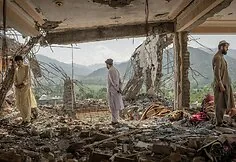
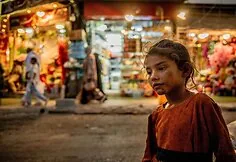

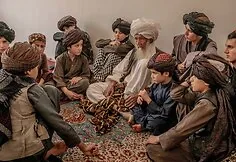
Al-Qaeda and other military groups remain in Afghanistan. However, they no longer have a powerful leader like Osama bin Laden and do not have the same influence over the Taliban.
Moreover, a worrying gap in intelligence information is emerging. Security officials and diplomats admit they do not have a comprehensive picture of what is happening inside Afghanistan. This country has again become a dark room where, they suspect, new threats may arise unnoticed.
What security means now
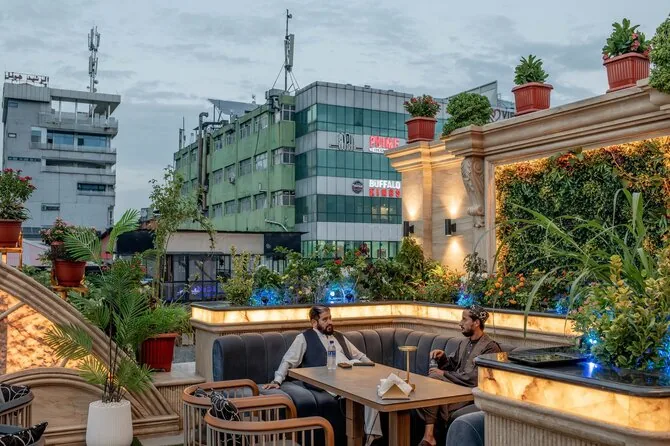
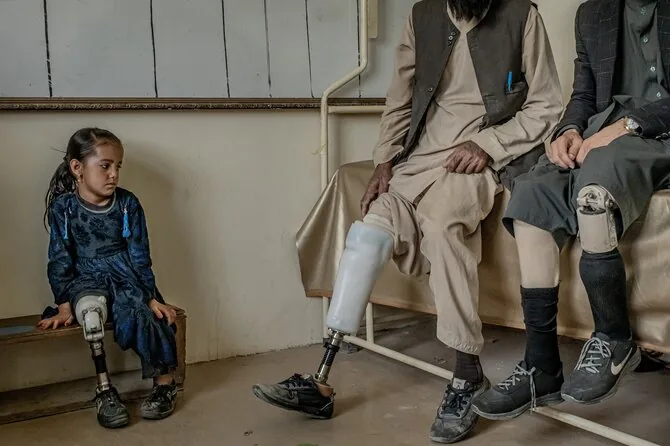
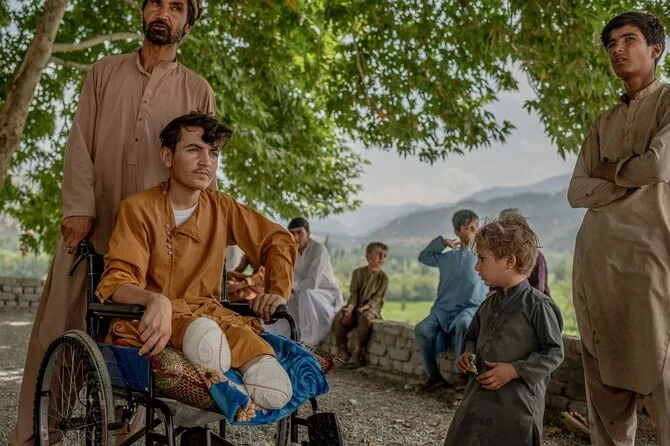
Afghans often describe life in their country by talking about what is no longer there: war. Roads are safe. Mining deals are welcome. Gunshots are heard less and less. Civilians no longer feel the constant threat of being killed by drones or crossfire. However, the fear of unexploded ordnance remains. Money flows into Kabul from abroad. New restaurants open their doors, imitating the sparkle of Dubai in the United Arab Emirates.
This is the message the Taliban want to convey: peace prevails in Afghanistan, not chaos.
But this is only one side of the story. According to the United States, China, Russia, and the United Nations, extremist armed groups still find refuge in Afghanistan.
Experts and security officials note that the threat posed by military groups in Afghanistan is much weaker and less noticeable than a few years before September 11, when there were up to 30,000 fighters and group members in the country.
Nevertheless, United Nations analysts have estimated that there are currently between 15,000 and 20,000 fighters in Afghanistan, divided into about 20 groups. Meanwhile, Russia claims their number may reach up to 23,000.
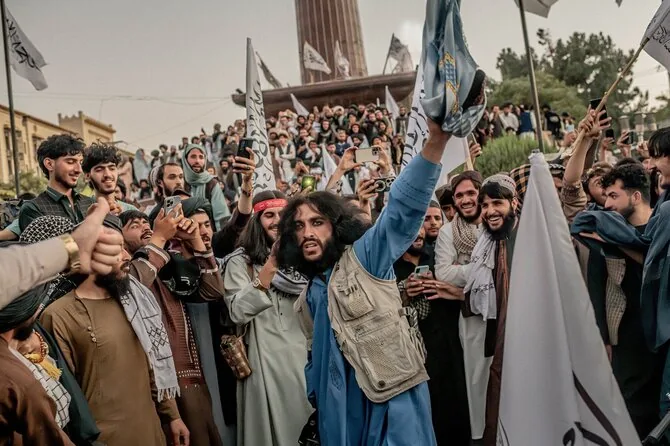
Estimates show that al-Qaeda has only a few dozen members, but some of them live freely in Kabul. As noted by the United Nations expert group monitoring terrorist networks, Afghan government institutions have issued national identity cards to leaders of al-Qaeda units in South Asia.
Thousands of Islamic State fighters also roam the mountainous border areas between Afghanistan and Pakistan.
However, the majority are Tehrik-e-Taliban Pakistan (known as Pakistani Taliban or TTP) fighters, who, taking advantage of the poorly guarded border, carry out attacks against Pakistani security forces.
Security experts and officials link the sharp increase in attacks in Pakistan to the favorable environment provided by the Afghan Taliban since 2021.
Although their number is much smaller than in the 1990s, recently foreign fighters from Syria and Somalia have also arrived in Afghanistan.
The Taliban in Afghanistan deny supporting the Pakistani Taliban but unofficially say that even if they wanted to, they could not control this group.
When Donald Trump became President of the United States, Pakistan became a close US ally. In turn, the US accused the Taliban of breaking their promises to fight terrorism.
Even China, long a loyal supporter of pragmatic cooperation with the Taliban, urged the group to “resolutely destroy all terrorist forces.” Meanwhile, the European Union demands that the Taliban “do more to convince the world that Afghanistan does not pose a potential threat.”
Intelligence diplomacy
Thousands of fighters in the country are one of the main reasons why the Taliban remain isolated from the rest of the world. Most security analysts believe they pose a threat mainly to the region, not the West, but al-Qaeda and the Islamic State still promote a global ideology.
The Taliban claim to cooperate closely with foreign intelligence services to counter the Islamic State branch in Afghanistan. A senior intelligence official, speaking on condition of anonymity for national security reasons, called this “intelligence diplomacy.”
These two groups are enemies, as the mentioned branch adheres to an extremist jihadist ideology in which the Taliban are considered renegades for their concessions to religious minorities and efforts to cooperate with the international community. This branch claimed responsibility for the August 2021 attack during the US troop withdrawal at Kabul airport, which killed 13 US soldiers and more than 170 Afghan civilians. It has repeatedly targeted Shia communities living in the country and carried out deadly attacks in Kabul and Pakistan’s capital Islamabad this year.
Read more In a conflict-marked tournament semifinal in Vilnius – a strong «Rytas» victory against the Turks
According to Antonio Giustozzi, senior research fellow at the Royal United Services Institute (RUSI) in London, monitoring military group activities in the region, the Taliban have deployed special forces units to infiltrate Islamic State-controlled territories.
Experts and security officials assess that the Islamic State branch in Afghanistan no longer has the capacity to carry out large-scale attacks. They link this to the efforts of the Taliban and Pakistan to curb it, as well as the overall weakening of this group’s influence.
“It must be acknowledged that Kabul is waging a fierce armed fight against the Islamic State,” said Sergei Shoigu, former Russian Defense Minister and now Secretary of the Security Council, this year.
However, the Taliban’s relationship with al-Qaeda is of a different nature.
American counterterrorism officials have repeatedly called Afghanistan a “nursing home” for senior al-Qaeda fighters in recent years. They assessed the threat posed by the group from Afghanistan as being at its “lowest point” in decades.
Nevertheless, its influence remains.
Al-Qaeda has never renounced the Taliban during their twenty-year insurgency, and the Taliban, while in power, have not abandoned al-Qaeda.
As noted by the United Nations terrorist network monitoring group, there are still several dozen al-Qaeda members in Kabul and along the Pakistan border, training Pakistani Taliban.
(Osama bin Laden’s successor Ayman al-Zawahiri was killed in 2022 when the US carried out a drone strike on his balcony in Kabul.)
“What exactly is al-Qaeda’s role in Afghanistan? It’s hard to say,” said Colin Smith, UN group coordinator who collects information from more than 40 intelligence agencies for semi-annual reports.
In April, al-Qaeda announced support for the Pakistani Taliban and reaffirmed its support for the Taliban government in Kabul, calling it a “modern example.” According to A. Giustozzi, by supporting the Taliban, al-Qaeda is buying time and space in Afghanistan.
Unexpected allies
The Taliban’s ties with military groups have long been a subject of discussion: is the Taliban a rebel group engaged in state governance? Or is it a state-governing structure that has yet to shed its insurgent past? Or perhaps a mixture of both?
This ambiguity is reflected in the search for balance, which is crucial for the Taliban’s survival. Allowing Afghanistan to become a platform for international terrorism does not align with the Taliban’s own interests – they understood this well after the events of September 11. However, due to traditions of hospitality, ideological stubbornness, and lack of resources, they have so far been unable, and partly unwilling, to expel military groups.
The Pakistani Taliban force the Taliban to face consequences. During the US-led war, both groups fought side by side, so now the Pakistani Taliban expect a return on investment – support in establishing a similar stronghold in Pakistan.
If the Taliban cut support to the Pakistani Taliban, there is a risk that even more dissatisfied fighters will join the Pakistani side. Most ordinary Taliban now control checkpoints and patrol cities. Meanwhile, the Pakistani Taliban offer a new jihad – right next door.
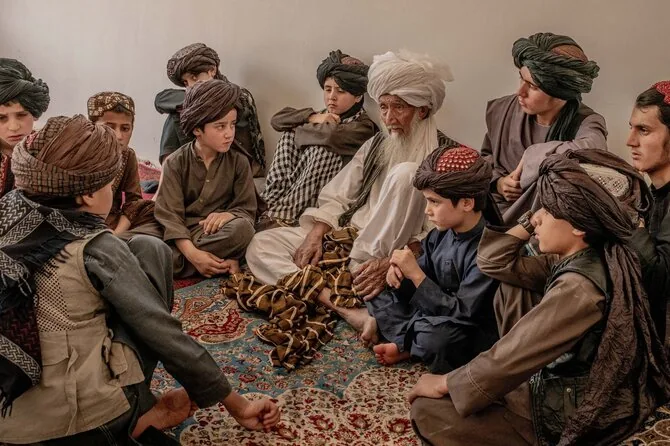
“We sacrificed our generation to bring peace,” recently said Farhad Sangari, commander of a Taliban special forces unit in Kabul. He added: “I long for memories from jihad and the front line.”
Security officials also fear that the network of religious schools developed across Afghanistan after the Taliban takeover spreads a violent and expansionist ideology.
“How many hundreds of thousands of men have been influenced by the Taliban ideology glorifying jihad?” asked Michael Semple, a longtime Afghanistan expert from Queen’s University Belfast in Northern Ireland.
Afghanistan’s population now faces a situation unseen for decades. They can feel relatively safe in their homes, but Afghanistan is again exporting insecurity.
Gunfire returned
Regardless of their true nature, the Taliban’s relations with military groups now threaten Afghanistan’s stability.
Exhausted by constant Pakistani Taliban attacks, the Pakistani army responded this year with dozens of airstrikes against Afghan security and civilian infrastructure, including Kabul.
A senior Pakistani intelligence official, speaking on condition of anonymity, said his country’s leadership has concluded that Pakistan’s internal security will not improve until it “gets its act together” with the Taliban.
In recent months, Taliban officials have become increasingly fearful of a possible attempt to change the regime in Afghanistan, supported by Pakistan.
Groups that had been waiting in the wings to fight the Taliban now see their opportunity. Three groups led by former US-backed Afghan army members have claimed responsibility for more than 50 attacks since July against Taliban officials, checkpoints, and facilities across Afghanistan.
The leader of one of the groups described them in an interview as an opportunity to break through the security barrier that the Taliban have so far managed to maintain.
So far, these isolated attacks do not threaten the regime, but in recent weeks, forces fighting the Taliban have killed at least two local officials.
Read more Horoscope for September 13: the stars urge to listen to intuition, but not to forget the facts
This is another reminder that the war in Afghanistan has not yet become a distant memory.
This article was published in The New York Times.
© 2026 The New York Times Company