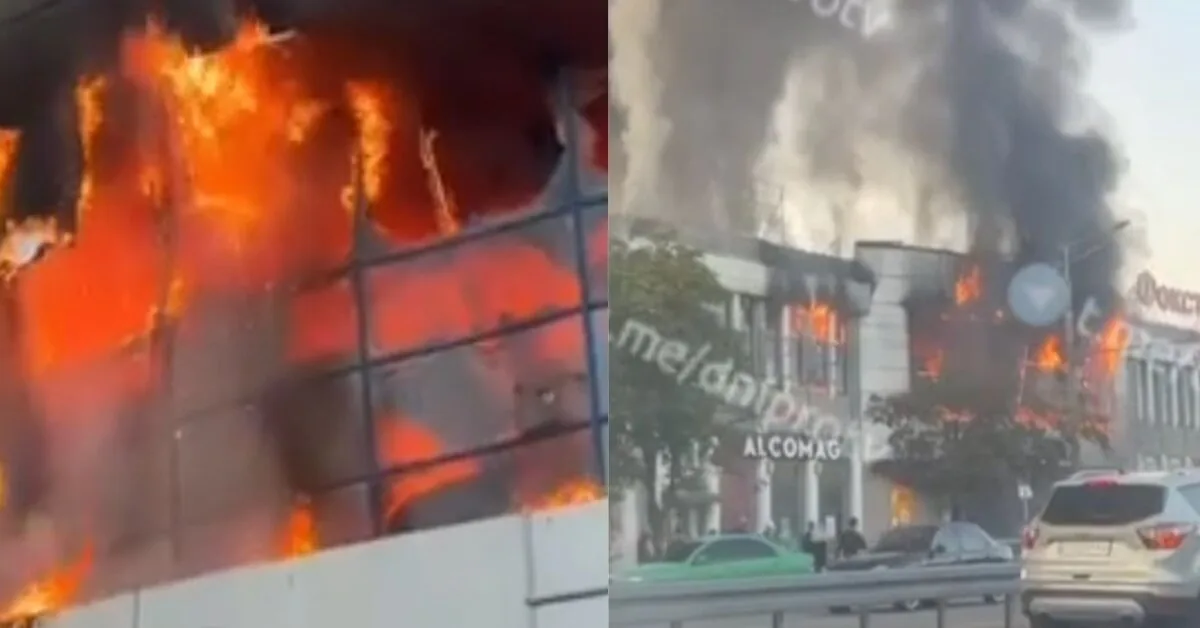
In cities far from the front line, both sides are conducting an increasingly intense “eye for an eye” air war, causing more suffering to their residents than at any other time since early 2022, when Russia launched a large-scale invasion.
Read more One Dirksčio gesture sparked suspicions of an affair with an 18-year-old
With the front essentially frozen, Russia and Ukraine rely on a rapidly growing arsenal of missiles and drones to retaliate and force the other side to surrender.

The latest example is the capital Kyiv, which has been continuously hammered by Russian drones in recent days, tormenting residents with almost nonstop air raid sirens.
However, there are no signs that this escalation has weakened either side’s resolve to continue fighting.
Analysts predict that human suffering will be even greater next winter, as both Moscow and Kyiv seek to gain an advantage in U.S.-backed peace talks expected to resume after little progress was made this year.
The experts’ verdict is this: Ukraine cannot surrender, and Russia does not want to.
“The question is: how much pain, compared to Ukraine, can Russia endure – and it can certainly endure a lot,” says Rob Lee, a military expert at the Foreign Policy Research Institute who frequently visits the front line.
The new phase of “eye for an eye” type attacks gained momentum at the end of June when Ukraine launched a 40-day campaign against Russia. According to President Volodymyr Zelensky, its goal is to force Russia to end the war.

The challenge was issued. Since then, Ukrainian long-range drones have attacked more than 30 of the largest online retail giants’ logistics centers and warehouses. The hardest hit was “Wildberries” – the Russian equivalent of Amazon.
The strikes disrupted Russia’s commercial logistics, caused significant losses to small retailers, and claimed the lives of several employees.
Ukraine also continued its attacks on Russian oil refineries and fuel logistics routes. Last month, about 70% of Russian gas stations ran out of gasoline or diesel, triggering the country’s worst fuel crisis since the collapse of the Soviet Union in the early 1990s.
The Kremlin rushed to patch the situation by allowing the sale of lower-quality gasoline and diesel. However, by mid-August, several-hour-long queues formed at every gas station in Moscow where fuel was still available.

Moreover, Ukraine’s strikes on infrastructure in the Sea of Azov and the wider Black Sea basin have paralyzed agricultural exports from Russia – the world’s largest wheat exporter – and left the occupied Crimean Peninsula isolated.
“Their economy will start to crumble – it is already crumbling,” said 48-year-old Ukrainian Olena Ivashko, a grocery store worker whose four relatives died in the war.
“Until they start eating each other alive, they won’t understand that there is a war. They didn’t understand what war was until they stood in lines at gas stations,” the woman said bluntly.
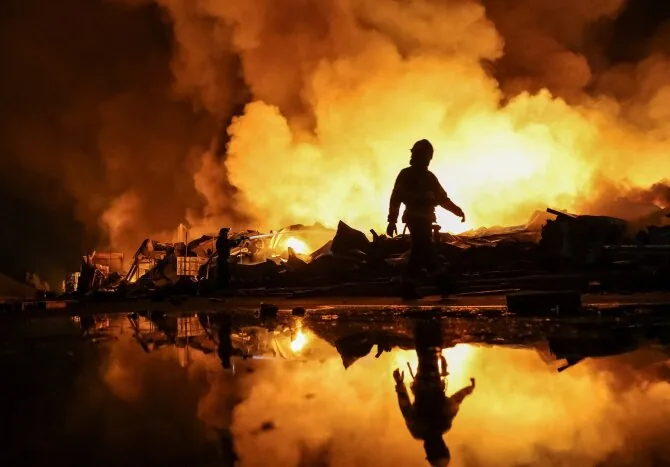
In the near future, Russia’s economy is not threatened with collapse, even if its growth has slowed to almost a halt and the country’s budget deficit has ballooned.
However, strikes deep into Russian territory have forced Russians to feel the war closer than ever before. Moreover, these strikes have killed more Russian civilians than at any other time since the war began.
As Piotr, a book editor from Moscow, said this summer, it was this summer that “the first cracks appeared on Moscow’s facade of prosperity.”
Motorcycle enthusiast Yevgeny spoke of sleepless nights that came every time a drone attack warning was seen. Both men who spoke to The New York Times requested that only their first names be used in the article for security reasons.
When the 40-day Ukrainian military operation ended, Russian leader Vladimir Putin declared that Kyiv, in trying to damage Russia’s economy, had opened “Pandora’s box” and would pay for it. As throughout the war, the subsequent Russian strikes on Ukrainians caused more suffering than those experienced by Russians.
Russian ballistic and hypersonic missiles now almost unrestrainedly attack Ukrainian cities, as Kyiv is running out of U.S.-made Patriot missile interceptors.
New Russian jet drones, capable of reaching speeds of nearly 600 km/h, conduct reconnaissance and then strike targets. The number of civilian casualties in Ukraine is currently the highest since the first five weeks of the war. Moreover, it is incomparably higher than the losses suffered by Russia.
Read more „Ignitis group“ renews bond program up to 2 billion euros
Moscow’s attacks in the Black Sea region have paralyzed the most important ports in the Odesa region and threaten that in the second half of 2026, Ukraine’s economy could lose more than 1.7 billion euros in agricultural export revenues because of this.
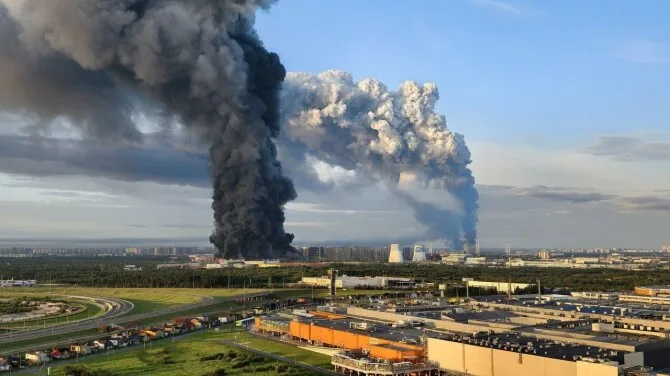
In the past six months, over 300 Ukrainian gas stations have been damaged or destroyed during Russian attacks. Several shopping centers and dozens of warehouses, including those supplying grocery stores, have also been attacked.
According to the Ukrainian Publishers Association, about 13 million books were burned during Russian strikes.
Analysts believe this escalation is likely to continue. Last winter, Russia almost destroyed Ukraine’s electricity infrastructure and promised to strike it again.
Last month, the Russian Defense Ministry warned that Kyiv “faces severe cold this winter.” And on Tuesday, Putin himself declared that he had ordered the country’s armed forces “to carry out massive strikes against Ukraine’s energy facilities.”
Experts note that Russia may also try to attack Ukraine’s water supply systems.
Speaking after a summit in Kyrgyzstan on Tuesday, Putin seemed to threaten expanding the war to include Ukraine’s Western allies.
“If anyone tries to push us down the food chain, swallow us, eat us alive, it may end with them getting punched,” said the Kremlin leader.
However, the situation could also be escalated by Ukraine itself. The country is rapidly developing powerful ballistic missiles that are reportedly ready for use as early as this fall. Analysts say if this happens, the war will enter a completely new phase.
On Tuesday, Ukrainian President V. Zelensky warned airlines that Russian airspace is “becoming absolutely unsafe” due to Ukrainian drones. In turn, the Russian leader called this threat “state terrorism.”
No one knows yet where all this will lead.

Last week, CIA Director John Ratcliffe flew to Moscow to try to convince Russia to reach an agreement before the country’s military and economic situation deteriorates further.
Moscow’s response to this visit was clear. Kremlin press secretary Dmitry Peskov stated that U.S.-led peace talks are at a “deep pause.”
His words seemed further emphasized by the 58 air raid sirens that sounded in Kyiv from Thursday to Monday. Missiles and drones attacked the city in waves.
According to experts and diplomats, serious peace talks are unlikely to begin before next spring or summer.
Ukrainian officials say the main U.S. negotiators – President Donald Trump’s son-in-law Jared Kushner and special envoy and longtime friend Steve Witkoff – are expected to visit Ukraine soon to give a boost to the talks. Such a visit has been mentioned at least four times this year but has yet to happen.
From Russia – no signs that it is ready for negotiations. Ukrainian officials and Western diplomats say Putin is furious that the Russian army has not yet taken all of Donbas. Currently, Moscow’s forces control just under 20% of Ukraine – barely more than three years ago.

As aerial combat intensifies, each side adapts. Last week, queues at Moscow gas stations became shorter. On Tuesday, the school year began in most of Ukraine, although Russia continued to fire missiles and launch drones. Only in Kyiv schools did first graders gather 10% less than last year.
“We have already gotten used to everything being destroyed,” said 45-year-old Aliona Chystiakova, recently facing empty shelves in a grocery store in Ukraine.
“They shoot at us, they try to destroy us, but somehow we still resurface, and they can’t do anything about it,” the woman said resolutely.
Read more For propagandists – Putin’s blow: their arguments have been ruined
This article was published in The New York Times.
© 2026 The New York Times Company